Lighthouse Parenting: What It Is and How It Works

The complete monitoring experience for your phone
Get XNSPY and start tracking calls, texts, multimedia, locations and more on any phone!
Get Started Now Live DemoParenting in any era was not easy. Taking responsibility for individuals with habits but who cannot decide for themselves, societal pressure, one’s own experience, and current situation are all reflected in parenting.
Because of this, people try to group parenting into broad styles. You will see terms online like Authoritative Parenting, Neglectful Parenting, Helicopter Parenting, and Attachment Parenting. Each one shows a unique way adults respond to their kids’ needs, emotions, and behavior. What really matters, though, is how these approaches shape a child’s confidence, independence, and emotional stability.
Understanding the information access and evolved complexity of emotions children have these days, you cannot follow the parenting strategies of your parents. You must find a balance between understanding, adaptability, imposition, and guidance. One such approach is Lighthouse parenting.
What is Lighthouse Parenting?
Lighthouse Parenting Style is a philosophy that encourages parents to act as stable, reliable guides just like lighthouses. It demands them to be the strong towers that offer guidance while children are trying to find their paths through storms.
Rather than clearing out every obstacle like bulldozer parents or being completely aloof, like neglectful parents, you stay close enough to protect them in case of an issue. You allow them to make their own decisions and make mistakes, so they figure out their own way to safety.
The key is being emotionally available and observant, stepping in when necessary while allowing children the space to learn, explore, and grow independently within a secure and supportive environment.
Check Out These Blogs

🧒  What Is Sharenting & Why It Might Be More Harmful Than You Think
⚠️  Is Discord Safe for Kids? Safety Features and Hidden Dangers Explained
⛔  Teen Dating Violence Statistics: Warning Signs & Trends
⚡  10 Discord Alternatives Parents Can Trust for Their Kids
Origin of Lighthouse Parenting Style
The term “Lighthouse Parenting” was introduced by Dr. Kenneth Ginsburg, a pediatrician and specialist in adolescent medicine. He developed the idea of Lighthouse Parenting through years of research and clinical experience working with teenagers and families.
He explains in his book “Raising Kids to Thrive: Balancing Love with Expectations and Protection with Trust” that building confidence and coping skills in children requires guidance and awareness.
In his book, he described parents as “lighthouses,” i.e, the beacons of safety that guide children through life’s storms without steering the ship for them. This idea recently gained significant attention when parents and parenting styles were put under the spotlight.
The concept has since resonated with parents seeking practical ways to build trust and confidence in their children in this digital era. Most children believe they are self-aware, which is not always the case. This technique enables parents to provide guidance and emotional support without compromising their child’s privacy.
Strongest Attributes of Lighthouse Parenting
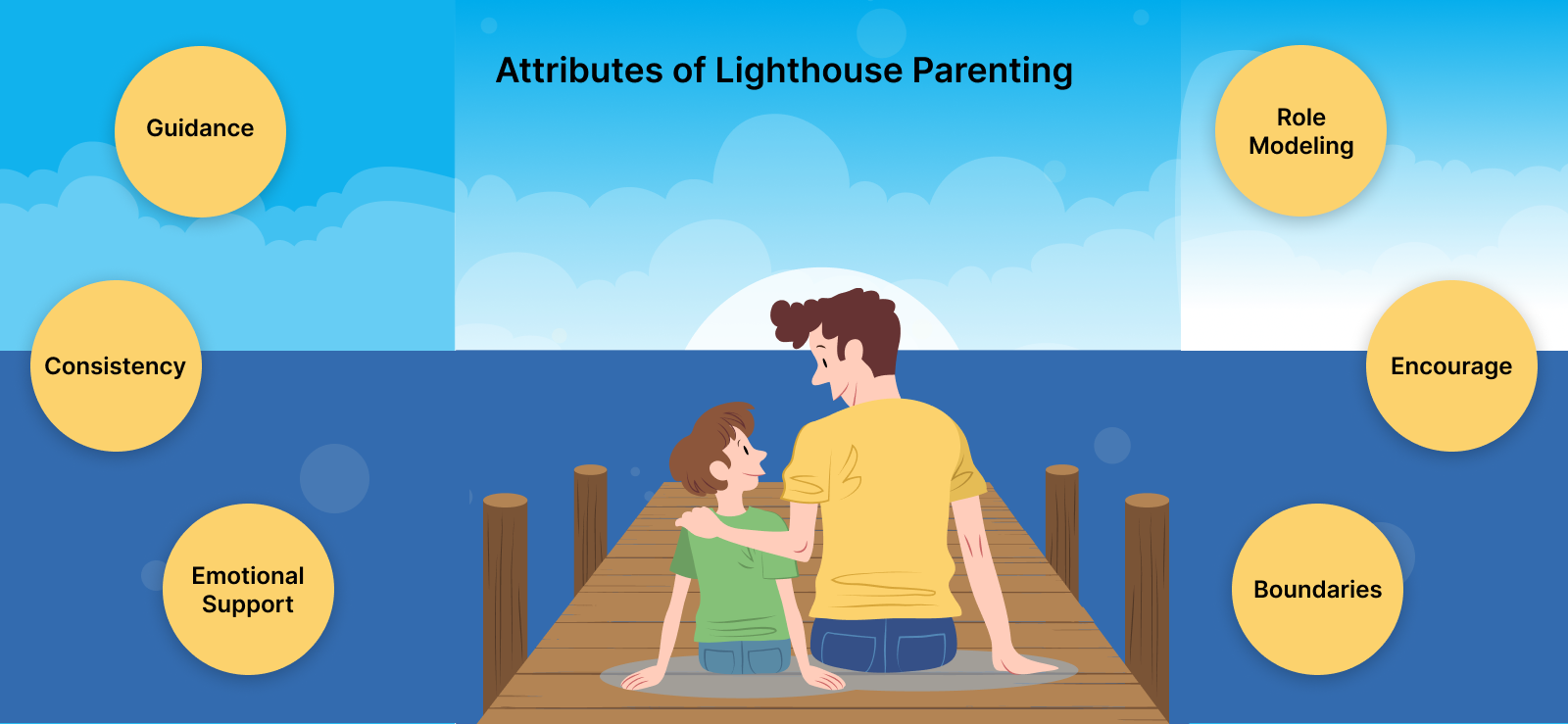
Each parenting style has some characteristics. When following the lighthouse parenting style, it is essential to be mindful of certain aspects. A slight shift can make you a helicopter parent. Here are its key properties:
Guidance over Control
There is a subtle difference between guidance and control. As teenagers are mostly led by emotions, even if you are guiding them, they may think you are trying to control them. Be intentional with your words and tone. Take the time to understand what they’re dealing with. Then offer a few options to help them choose the right course in their lives.
Consistency
One of the things that most parents misunderstand is that they just have to follow these rules once or twice. To build strong resilience and independence in children, it is essential to be consistent in your behavior. They need to have stable routines and predictable boundaries, which help them feel secure and understand expectations.
Emotional Support
Lighthouse parents have to be emotionally available. They need to understand their children’s emotional range and create an environment where children can openly express themselves without judgment from their parents.
Role Modeling
You cannot preach what you don’t do yourself. If you want to guide your children, you must demonstrate values, ethics through your own behavior. If you want them to have problem-solving skills, you need to show them how to achieve that.
Encouragement of Independence
Allowing children to make their own choices is the cornerstone of this parenting style. Give them the liberty to make age-appropriate choices, learn from their mistakes, build self-confidence, and help them develop problem-solving skills.
Balanced Boundaries
Lighthouse parenting is about building healthy boundaries with your children. For example, a parent’s first instinct is to protect, but it is also necessary to establish boundaries while maintaining a safe environment and avoiding overprotection.
How Does Lighthouse Parenting Work?
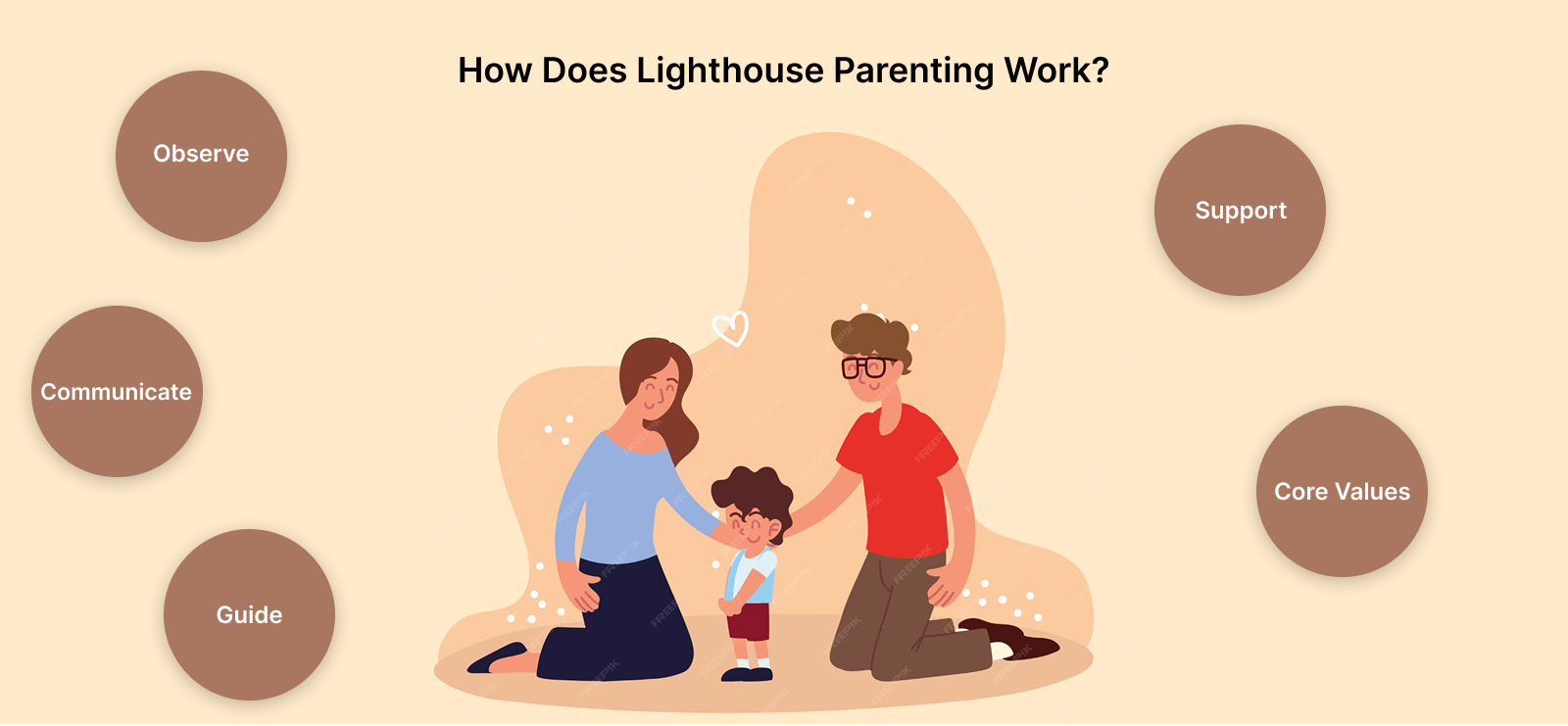
As the concept is derived from a lighthouse, the mechanism of lighthouse parenting is very similar. Here’s how it functions in practice:
Observation without Invasion: The first step is to observe what children are doing and how they are operating their day-to-day lives. See how they react to situations and if they lash out rather than counteracting, understand why they are acting that way. Observe how they use social media and how it’s affecting their lives. Additionally, see how they balance their life and where they actually need guidance.
Active Communication: Active communication is one of the most essential pillars of any relationship. When it comes to children, you cannot only rely on observation. If you want our children to accept your guidance, you need to build a relationship where they value your opinion, and this only happens when they know you understand their situation. Talk to them about their daily routines and don’t dismiss their issues, saying that they are unimportant or that they will get over them.
Clear Guidance and Boundaries: When creating rules, it is essential to articulate the reasons and procedures clearly and concisely. For example, if you are creating a schedule for phone usage and restricting them to some content, they need to know why you are doing it. Provide them with options to choose from and help them understand how their choices will be reflected in their results.
Support During Challenges: When a child faces difficulty, rather than saying ‘you warned them,’ lend them an ear and assure them that you will help them through the issue. Keep your calm and offer problem-solving help instead of criticism or punishment.
Modeling Core Values: Set examples for them by leading the way. Through your actions, you can teach children the importance of kindness and accountability. They have a strong inner compass that helps them navigate through tough situations.
Challenges Lighthouse Parents Face
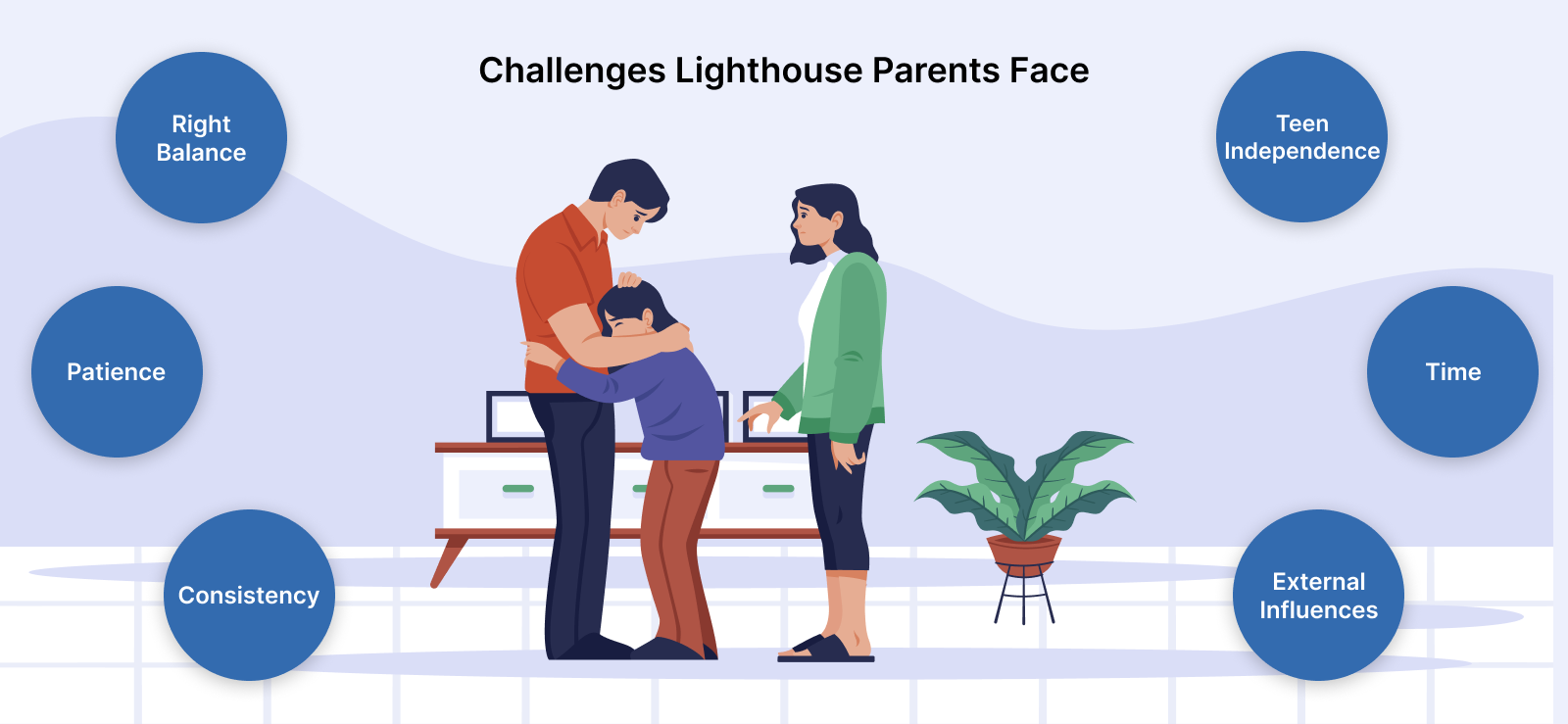
While lighthouse parenting encourages balance and emotional strength, parents may face specific challenges when implementing these techniques. Here are some of the common ones parents face:
Finding the Right Balance: Often, it can be challenging to determine when to intervene and when to let children handle things on their own. If you try to guide them through every menial thing, children may feel you are controlling and try to intervene in their personal issues.
Emotional Energy and Patience: Lighthouse parenting style requires consistent emotional availability and calm communication. Considering the realities of real life, parents also have to deal with numerous issues on a daily basis, and it can be challenging to keep up with a child’s shenanigans and tantrums. It is impossible to stay calm, and even if you try, it can be exhausting.
Consistency Between Parents: If both parents or caregivers aren’t on the same page, it can confuse children and weaken boundaries. For example, one is a lighthouse parent, and the other is an authoritarian parent; the former will likely struggle to practice flexibility in many situations.
Dealing with Teen Independence: As children grow, they may resist guidance or interpret parental monitoring as interference. Teenagers want to be independent too soon. While lighthouse parents are supposed to provide room for teenagers to make decisions, you cannot completely cut ties with activities that they don’t approve of.
Time Commitment: Lighthouse parenting requires time for discussions, reflection, and understanding your child’s emotions. Most parents, especially working or single parents who have to juggle multiple responsibilities, may find it challenging to keep up with everything happening in their child’s life.
Handling External Influences: Friends, media, and social pressure can conflict with the values parents are trying to instill. If parents are not well-versed in current scenarios, they won’t be able to relate to their child’s mindset, which may prevent children from accepting guidance.

Empower Your Parenting Journey With Xnspy
Stay aware and informed so you can be the steady guide your child needs.
– Monitor calls, texts, and app activity in real time
– Track location history and set safe zones for alerts
– View social media chats to understand daily interactions
– Access browsing history to see what your child explores
Pros of Lighthouse Parenting
Lighthouse parenting is one of the most widely explored parenting styles. Here are the key pros that set it apart:
- One of the biggest advantages of lighthouse parenting is giving children independence. As human beings, everyone wants the liberty to decide for themselves; if you restrict it, it can be an issue. With lighthouse parenting, you give them the freedom without jeopardizing their life or mental health.
- Open communication and emotional support help kids understand and manage their feelings. With two-way communication, you can create an environment where they are open to hearing you as well.
- Consistent guidance and boundaries create a sense of safety and reliability. When you guide them every time, they will automatically develop problem-solving skills and be more open to sharing any issues that other children may hesitate to discuss, such as cyberbullying or harassment.
- When you have strong moral codes and don’t hesitate to take responsibility, your children follow the same.
- When you don’t hover, and children have to face issues head-on, they develop coping skills faster.
- Clear boundaries combined with respect for autonomy allow children to understand their parents’ perspective. When a conversation is based on understanding, conflicts are less likely to happen.
- Lighthouse parenting focuses on life skills, decision-making, and self-discipline. You are not just patching a temporary wound but raising children to be resilient in every walk of their lives. The impact of this style is lifelong.
Cons of Lighthouse of Parenting
Lighthouse parenting can be very helpful; however, it has some drawbacks that one can not ignore.
- Requires significant time and attention for communication, guidance, and emotional support from parents. It can be heavy when parents are struggling to meet day-end needs.
- Constant patience and emotional availability can be exhausting for parents.
- Children of the digital age can be challenging to understand and manage. Due to their instability and constantly changing needs, it becomes challenging to determine when to intervene versus allowing independence, which can lead to confusion.
- If multiple caregivers aren’t aligned, children may get mixed messages. Also, friends, media, or societal pressures can conflict with the values caregivers try to instill.
- Lighthouse parenting is rather slow. It takes time for children to develop coping skills. In situations that require immediate action or instant obedience, this style may seem less effective than strict approaches.
How Does Xnspy Parental Monitoring App Help with Lighthouse Parenting Style?
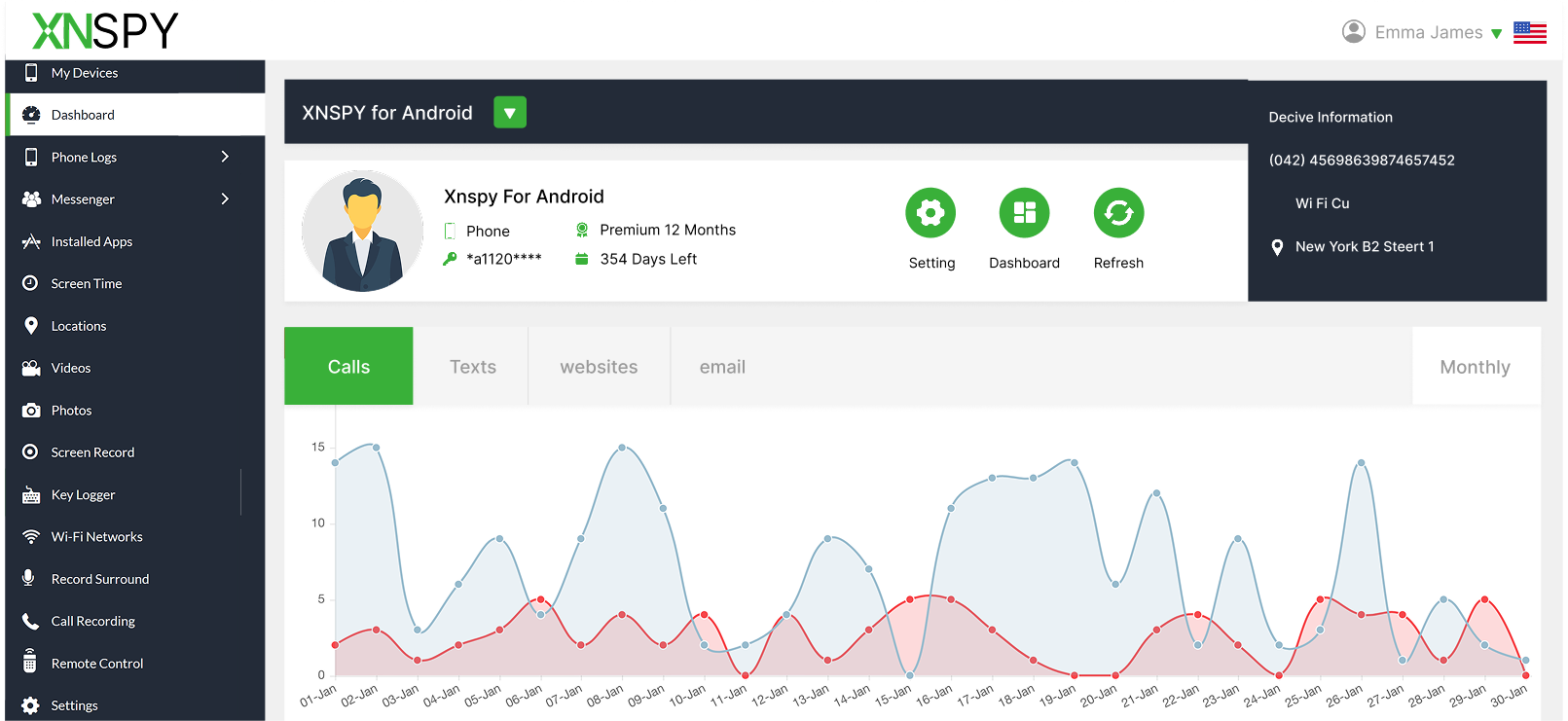
Lighthouse parenting is all about observing and allowing children to take the lead in their own lives. While this method is laid-back, the observational aspect has to be strong. If parents want to guide their children down the right path, especially when it comes to social media and internet usage, they need to know what their children are actually doing.
Talking to children is the best approach, but it is not very reliable when it comes to teenagers. To understand what they are actually doing on the internet, you need a monitoring app like Xnspy.
The Xnspy parental monitoring app complements Lighthouse Parenting by giving parents essential insights into their child’s digital activity. From calls, messages, and social media monitoring to location tracking, Xnspy doesn’t miss anything, so you know where guidance is actually required. Here is how the app can assist a lighthouse parent.
Calls and Messages
Xnspy enables you to view call logs, contact lists, and text conversations. You can view the most frequently contacted individuals, keep an eye on your children’s closest friends, and identify who the problematic people are, so you can be warned about them.
Xnspy singles out the problematic calls. In case of an issue, you can use the call recording feature. Additionally, you can view all the messages they send and receive on their phones.
Internet History
Being aware of a child’s internet history is necessary to understand where they need guidance. For example, most children who suspect they have a medical issue consult the internet before their parents. This happens with any other issue they face in their lives.
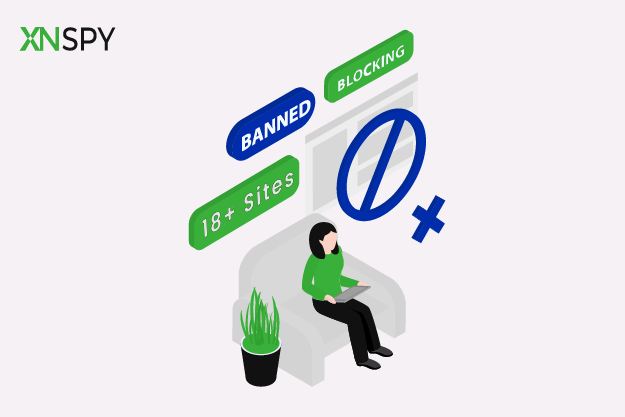
With Xnspy, you can view if they are searching for anything serious and help them through the problem. Additionally, most teens use browsers to search for adult content. According to a study, 93% of teen boys and 62% of teen girls reported internet porn exposure. With Xnspy’s private browsing insights, you can easily tackle such issues.
Social Media Monitoring
95% of teens use social media platforms. Their social life, interests, dislikes, and emotional issues can be found on the social media platforms they use. So if you are lighthouse parents, you cannot ignore their social media activities.
To provide you with real-time social media updates, Xnspy takes periodic screenshots of the social media apps your child uses. You can view their messages, shared media, stories, posts, and more from these screenshots.
These details can help you detect potential risks such as cyberbullying or inappropriate interactions. If a serious issue arises that they cannot handle, you can intervene to provide assistance.
Screen Time
Xnspy provides detailed reports on app usage and screen time patterns. You can see how much time your child spends online and which apps they use the most. With this data, lighthouse parents can promote healthier habits and encourage balanced routines without imposing harsh restrictions.
Location Tracking
Through real-time GPS tracking and geofencing alerts, Xnspy helps parents ensure their child’s safety wherever they go. Rather than asking a lot of questions about their whereabouts, which can feel intrusive, you can simply know where they are and be assured that they are safe and not engaging in any problematic activities.
Final Remarks
So, what is lighthouse parenting? In summary, it represents a thoughtful and modern approach that balances both independence and safety. It empowers children to explore and allows parents to remain a reliable source of guidance and reassurance. Understanding your child’s daily activities is the first step in being a lighthouse parent, but when observing, you must avoid being intrusive and resorting to helicopter parenting.
To maintain a distance, a monitoring app like Xnspy is your best bet. It provides all the information with giving you the option of not being intrusive at all. With balance, patience, and mindful observation, Lighthouse Parenting helps families raise emotionally strong and confident children who are capable of handling challenges responsibly while knowing that their parents’ light is always shining nearby, ready to guide them through life’s rough waters.
Frequently Asked Questions
Is Lighthouse Parenting the best parenting style?
Lighthouse Parenting is regarded as one of the most balanced and effective approaches to raising confident and responsible children. The reason is that it supports children’s personality traits and builds resilience in them. It blends structure with freedom, which allows kids to make their own choices while parents remain a steady source of guidance and support. However, every child and family is different, so the “best” style depends on individual needs and personalities.
How much should parents monitor in the Lighthouse Parenting model?
In Lighthouse Parenting, observation is key, but it should never feel intrusive. Parents are encouraged to watch from a distance, which means they must stay aware of their child’s behavior, friends, and online activity, but they are not supposed to micromanage. The goal is to ensure safety and emotional well-being while giving children space to learn from their own experiences.
Why is digital monitoring important for Lighthouse Parents?
As children spend most of their time in digital space. All interactions with friends happen on communication channels; you cannot miss out on that information. Furthermore, you can understand their likes and dislikes, problems, and mental state simply by analyzing their content consumption patterns and the time spent on apps.
Is using a monitoring app a good idea for Lighthouse Parents?
Yes, when used responsibly. A monitoring app can enhance the observational aspect of Lighthouse Parenting by providing insight into a child’s digital habits. An app like Xnspy can help parents detect potential risks early and start open, informed conversations without being intrusive. Such apps can also help protect your children from dangers of the internet like cyberbullying, pedophiles, adult content, and identity theft.

5 Comments
Leave a reply:
Your email address will not be published. Required fields are marked*
Murfhy
December 18, 2025 at 2:55 pmWhy is parenting so difficult now? Absurd.
Lorena James
January 5, 2026 at 2:19 pmIn my 6th month and I have read everything I can about parenting but the more I read, the worse it gets because I have no clue what to do, I reallt wish my mother was alive to help me through this.
Kylie Seimal
January 9, 2026 at 2:44 pmWhat is this stupidity? Children are born and they grow up, simple. No matter what you do, you will mess up and that is okay
Jacky John
January 20, 2026 at 1:43 pmI wish there was a book that told me everything I needed to parent my children well. I do not want to turn them like me.
Benjamin
January 22, 2026 at 1:52 pmMy son is entering his teen years soon and I believe this is the best approach to use for now. I really do not want to stick to one style of parenting and mess it up.