Digital Detox App: What It Is & Why You Need It + 5 Best Options
 By Mike Everett
The complete monitoring experience for your phone
Get XNSPY and start tracking calls, texts, multimedia, locations and more on any phone!
Get Started Now Live DemoThere is an app for everything, even for digital detoxing. Digital detoxing means taking a break from screens and reducing device usage. While it may sound ironic, digital detox apps exist to help you find a healthier balance between digital and real-life activities. The idea of digital detox comes from the concept of avoiding anything harmful to the body, including addiction to screens.
Most adults understand the risks of excessive screen time and can manage their usage. For children, however, it is much harder. Kids today grow up surrounded by cell phones, laptops, iPads, and gaming consoles, which makes it difficult for them to unplug. It is up to parents to find ways to help their children detox and live a more balanced life.
In this article, we explain why digital detox is necessary for children, outline strategies parents should adopt, and identify the best digital detox app to support their children’s detox.
What are Digital Detox Apps?
Digital detox apps or family detox apps help individuals and families manage screen time more intentionally. Rather than encouraging complete device avoidance, these apps offer strategies to establish healthier digital routines. The main purpose of the apps is to increase productivity, reduce distractions, and provide alternative activities that can occupy time more efficiently.
One thing to understand here is that children have different needs for digital detox. For example, a survey showed that children aged 9 to 14 spend 9 hours per day on their phones and social media apps, more than any other age group. And since they require guidance, most digital detox apps for children are controlled by parents.
Family digital detox apps help manage excessive screen time, social media use, and gaming – all of which interfere with sleep, learning, and emotional well-being. They support healthier habits without making technology feel like the enemy.
More Parenting Blogs You Must Read

👪  9 Best Family Tracking Apps for Android and iOS: Parent-Approved Picks
⚡  Lighthouse Parenting: What It Is and How It Works
⏱️  What Is Sharenting & Why It Might Be More Harmful Than You Think
🛑  10 Discord Alternatives Parents Can Trust for Their Kids
5 Major Types of Digital Detox Apps
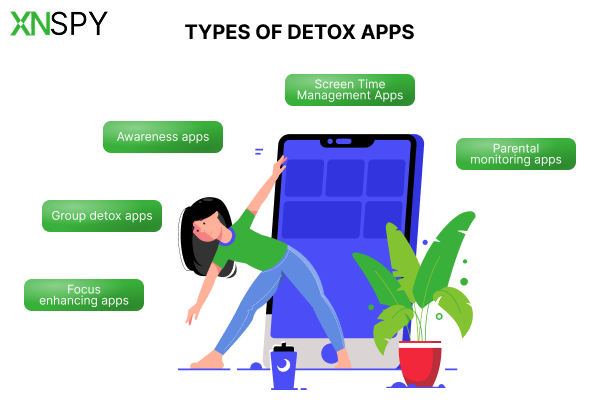
Several types of digital detox apps address different aspects of digital detoxing. For best results, you can try various combinations. Based on your research, needs, and experience, you can easily identify the best digital detox apps for your family.
- Screen Time Management Apps: These apps limit daily usage, schedule downtime, and restrict access during specific hours. Most of them also allow you to create app-specific schedules. You can set timers for bedtime or study time effortlessly.
- Parental Monitoring Detox Apps: These provide visibility into screen habits, app usage, and online behavior. Most of them are thorough and may offer app blocking and phone locking options to support detoxification.
- Awareness Apps: Awareness apps typically focus on self-reflection, allowing users to see usage patterns. They also provide solutions and information on digital detoxification.
- Focus-Enhancing Detox Apps: These apps are designed to temporarily block distractions. They are based on time-management techniques such as Time Blocking and the Pomodoro Technique and help schedule time for homework, reading, and creative activities.
- Family Challenge & Group Detox Apps: These apps encourage shared goals, such as screen-free evenings or weekend challenges. They can be useful for keeping children engaged and more excited about family time.
Why Is the Digital Detox App Important for Children?
Children today grow up surrounded by screens. According to a recent survey, 99% of children use mobile phones in some way and are online. It doesn’t necessarily mean that they are distracted and wasting their time on useless apps. Most of the time, they use it for studying or to connect with friends.
A digital detox is required when they can’t maintain balance and can’t find ways to stay away from screens. This is where parents need to invest in a reliable digital detox app. Here is how such apps can be helpful.
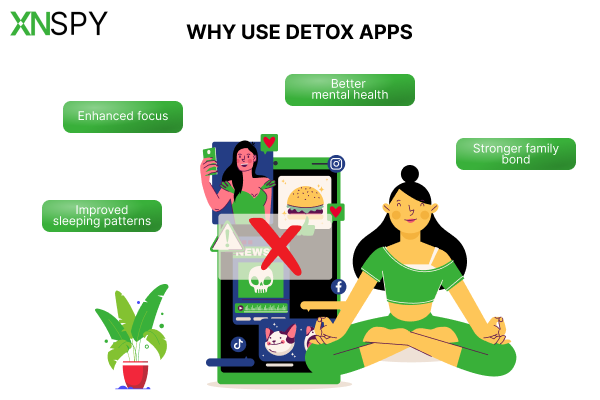
Better Mental Health
In many studies done on children using screen time, it has been observed that too much screen time has been linked to anxiety, irritability, and low mood in children. Everything they consume in a day has a greater impact on their brain development than parents or school. Digital detox apps help reduce overstimulation and support kids in feeling calmer and more emotionally regulated.
Enhanced Focus and Learning
According to a new study, 3 out of 4 parents say that social media is the biggest distraction for their children. Research shows that overuse reduces attention span and disrupts study patterns. Detoxing can improve focus and support learning beyond phones.
Improved Sleeping Patterns and Physical Health
Late-night screen use disrupts sleep cycles. There is always a push for one more reel, message, or episode, and you end up sacrificing sleep hours, which ultimately affects your physical health. Here, screen-time detox apps help enforce bedtime routines, leading to better rest, improved posture, and reduced eye strain.
Strengthened Family and Social Bonds
Less screen time encourages honest conversations, outdoor play, and shared family moments, thereby enhancing relationships. You can also use the group detox apps to make this more exciting and challenging.
Signs Your Child Needs a Digital Detox App

Although there are more studies about how excessive screen time is destroying children’s mental and physical health, it is difficult to understand how it is affecting children. Here, it is essential to understand that not all screen use is harmful. If you do overdetox, it can also be detrimental. It is better to know precisely what is needed. To do that, you need to observe and identify the signs.
Behavioral Changes
As children become more dependent on devices, you will observe specific behavioral changes. These may include frequent defiance, secretive use of devices, or loss of interest in non-digital activities. It may be about something else, but it is an indicator to reach out to them.
Emotional Meltdowns
If your child becomes unusually angry, anxious, or distressed when devices are taken away, it is a clear sign of unhealthy attachment and dependence on screens rather than straightforward enjoyment.
Physical Health Symptoms
According to a study, 90% of digital device users experience symptoms such as headaches and blurred vision after just two hours of continuous screen time. If your child reports headaches, eye strain, poor sleep, or fatigue, they need to set aside their phone and engage in physical activity.
Social Indicators
When your child prefers staying alone and stops participating in family fun and conversations, shows reduced interest in friends, or has a preference for online interaction over real-world connections, it is time to shortlist the best apps for digital detox.

Healthy Screen Habits Start With Xnspy
Guide your children’s screen time safely and effectively.
– Monitor calls, texts, and app usage in real time
– Track overall screen time and identify high-usage apps
– Lock phones temporarily to encourage focus
– Block apps to build healthier tech habits
How Parents Should Implement Family Digital Detox Apps
A digital detox app doesn’t label technology as “bad.” Instead, it acts as a guide to help children regain balance. Once you realize your children need digital detox, you need to create a strategy. If you start taking their phone without offering alternatives, they may become resistant and start using it behind your back. Here is what you need to do.
1. Honest Family Conversation
Family conversations can resolve more matters than you may think. So when you decide to get digital detox apps for your children, have an open and honest discussion with them. Explain the reasons behind limiting screen time and implementing any other restrictions.
Also, ask for their input and consider it, as this is a decision. This helps children feel included rather than controlled. Discuss how excessive screen use affects sleep, mood, focus, and family relationships. Make it clear that the goal is balance, not punishment, and specify that you are included too.
2. Select the Best Digital Detox Apps
Not all digital detox apps are suitable for children. Most of them are for individual use, not for group purposes. So choosing the right one is essential. Do thorough research, check usage and reliability, and be prepared to install the app on your child as well. Here are a few things you need to check.
- Flexible controls, app-specific limits, and customizable schedules for study time, bedtime, and family activities
- Features to help you understand full usage
- Insights and usage reports that can help you decide which strategy to follow.
- Insights without invading privacy
- Data security
- Adapts to different age groups and routines
3. Set Clear & Realistic Rules
One mistake most parents make is setting unrealistic rules and restrictions. Understand that most of us are addicted to our screens without even knowing, and the withdrawal symptoms can be severe. Include your children while creating rules, and instead of enforcing sudden restrictions, agree on reasonable screen-time limits together.
Understand what should be included. For example, phone-free zones should consist of bedrooms at night, study time, dinner, and family time, and everyone should adhere to them. If the rules are clear and everyone is treated the same, there is no room for confusion and conflict.
4. Be Flexible and Introduce Limits Gradually
As with regular detoxing, digital detoxing should not be abrupt. For instance, if your child is using their phone for 7 to 8 hours a day and you just take away their phone, they will lash out, and withdrawal symptoms can have an even more negative impact. Most of the time, sudden changes can lead to resistance or secrecy, whereas minor adjustments build self-control over time.
Introduce screen limits gradually. Reduce screen time in short intervals, starting with nighttime restrictions before adding daytime limits. Blocking only the most distracting apps first allows children to adapt comfortably. This way, they will cooperate more and achieve long-term acceptance of healthier digital habits.
5. Use App Insights to Guide
Best digital detox apps provide reports that show how much time children spend on apps and games. For example, trustworthy parental monitoring and tracking apps that prioritize security provide detailed app usage reports, including screen time, app usage time, and social media usage.
These insights can be used to create a more realistic schedule, and you can be strict where it is required. This approach encourages reflection and problem-solving rather than blame games and unnecessary rules that will do more harm than good.
6. Lead by Example
Children learn digital behavior by observing their parents. If you are constantly on your phone, screen limits only for children will feel unfair and ineffective. If you want a digital detox, start with yourself.
To demonstrate, avoid using phones during meals, family conversations, or at bedtime. Choose shared activities over screen time and show children that disconnecting is valuable. Once you have set the rules, try to be consistent so children can follow them.
7. Review and Adjust Regularly
Digital needs change as children grow, so detox strategies should be reviewed regularly. For example, you cannot expect that your teenager will follow the same routine as your preteen. It is best to check in every few weeks to discuss what is working and what feels too restrictive.
If needed, continue adjusting screen limits and be more flexible with schedules so children don’t feel pressured at all times. Regular review ensures the detox approach remains supportive rather than a limitation.
8. Focus on Long-Term Habits
The success of a family’s digital detox apps is measured by lasting behavior changes, not just reduced screen hours. If your children learn to manage their screen time independently and prioritize sleep, learning, and relationships, trust them and don’t micromanage.
When it comes to children, detox apps should always be used as guidance rather than control. This is the only way children will develop awareness and discipline.
5 Best Apps for Digital Detox
As mentioned, digital detox apps are used in combination to ensure you’re covered. Here are the 5 best apps that can help you support your children’s digital detox.
1. Xnspy Parental Monitoring App
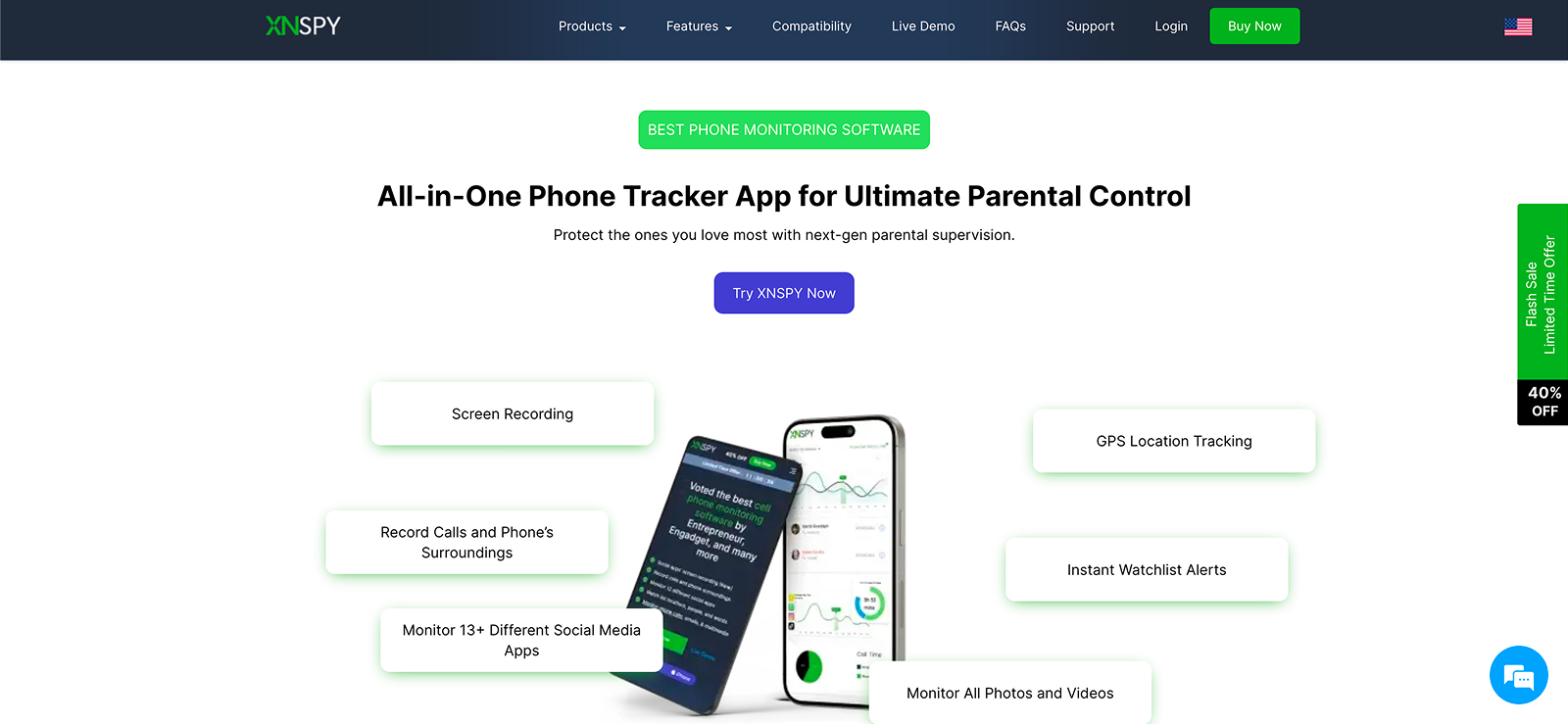
The first app on the list is Xnspy. It is a comprehensive parental monitoring app that supports digital detox by offering detailed insights into a child’s phone activity. Unlike basic screen limiters, Xnspy helps parents understand how devices are used, which apps consume the most time, and why children are spending too much time on their phones.
With Xnspy digital detox app for iOS and Android, you get:
- Call logs, call recordings, call durations, and top contacts by call duration.
- Screenshots of social media apps and timestamps for when children used them.
- Overall screen time, the frequency of app visits, and the total time spent on the most used apps.
- Internet history showing the top-visited websites, with timestamps.
This information can help you gain a clear picture of how your child is using their phone and where they need help. For example, if your child spends 4 to 5 hours on communication apps like WhatsApp or Snapchat, you can restrict their use. Similarly, with screen time details, you can check whether they are spending too much time on gaming or streaming platforms such as YouTube or Netflix.
In addition to providing insights, Xnspy also offers the option to block apps remotely. You can temporarily block the app that is intoxicating them. If the issue is severe, you can also remotely lock their phone. These features can help you easily implement detox schedules, especially during homework hours, bedtime, or family time.
For Xnspy to work, you will need to install the app on the target device once. It then goes into stealth mode, preventing children from uninstalling or bypassing it and ensuring accurate data. You can manage all the family devices through a single dashboard. The dashboard is updated regularly, so you don’t miss any screen details and can develop a digital detox strategy based on accurate, up-to-date data.
When used ethically and transparently, Xnspy serves as a supportive tool for families seeking visibility, balance, and safer digital behavior without micromanaging every moment of a child’s online life.
2. Google Family Link
Google Family Link is a free parental control app that helps parents guide their children toward healthier digital habits. Instead of completely restricting device use, it allows families to create balanced routines where technology fits naturally into everyday life. It is the most used digital detox app on Android and offers many features for family digital detoxing.
- Set daily screen time limits to encourage healthier routines and reduce excessive device use.
- Schedule bedtime and downtime hours to minimize late-night scrolling and improve sleep.
- Instantly lock a child’s device during meals, homework, or family activities.
- Track app usage to understand which apps consume the most time
- Set individual app limits to reduce overuse of games or social platforms
- Approve or block app downloads to maintain intentional app use
When used alongside clear rules and regular family discussions, Google Family Link helps turn digital detoxing into a positive, shared habit rather than a strict restriction.
3. Apple Screen Time
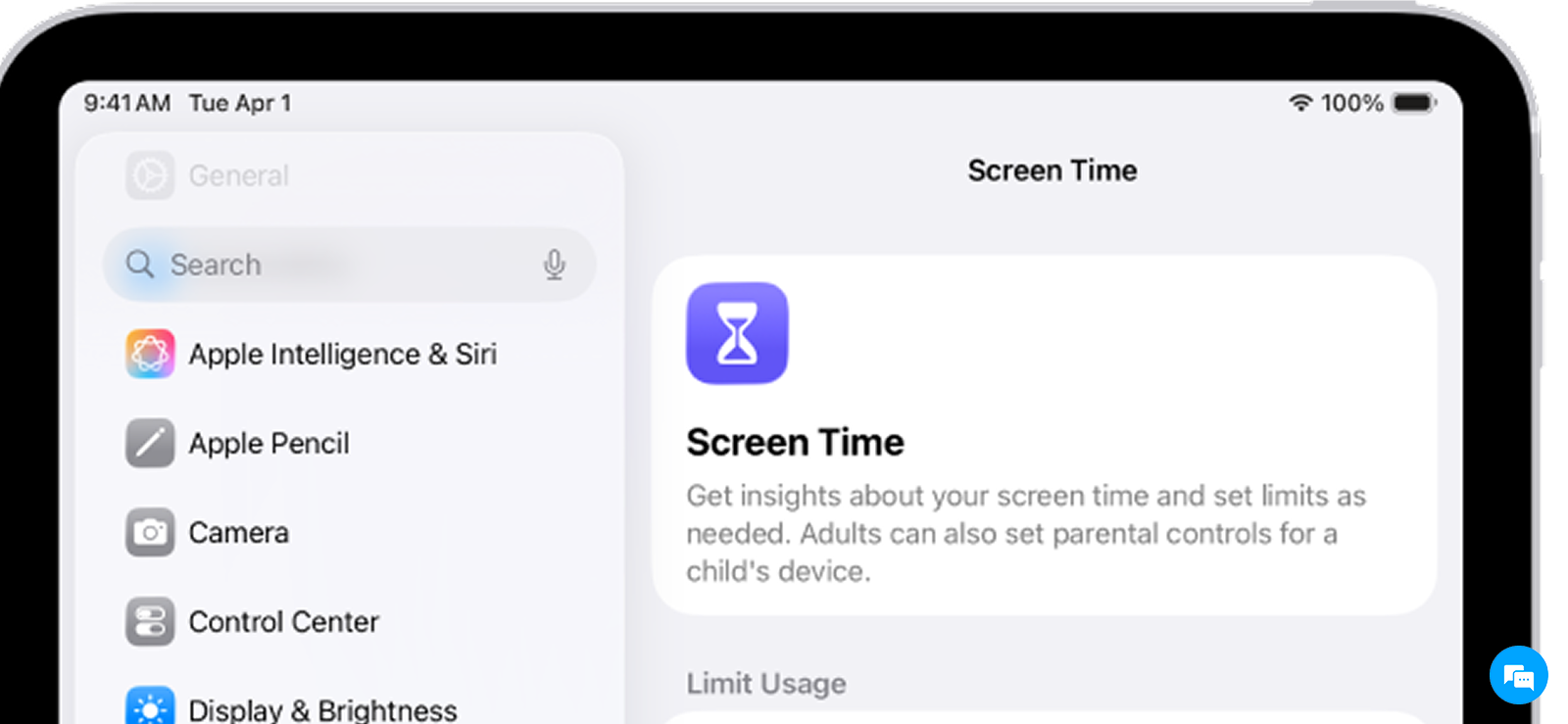
Apple Screen Time is a built-in feature available on iPhones, iPads, and Macs, which means that it is the best digital detox app for iOS. It helps families understand and manage device use each day and provides parents with clear insight into their children’s screen habits. Moreover, it enables them to set healthy boundaries without completely cutting children off from technology.
Here is how it can support digital detox.
- View detailed daily and weekly reports to understand overall screen usage patterns.
- Set daily app time limits to reduce excessive use of games, social media, or streaming apps.
- Schedule Downtime hours to automatically block apps during bedtime or family time.
- Allow only essential apps and contacts during detox periods.
- Use App Limits to guide children toward mindful device use.
- Share Screen Time across all Apple devices for consistent boundaries
- Use Family Sharing to manage children’s devices from one parent account
With consistent rules and open communication, Apple Screen Time helps families create healthier digital routines.
4. Flipd
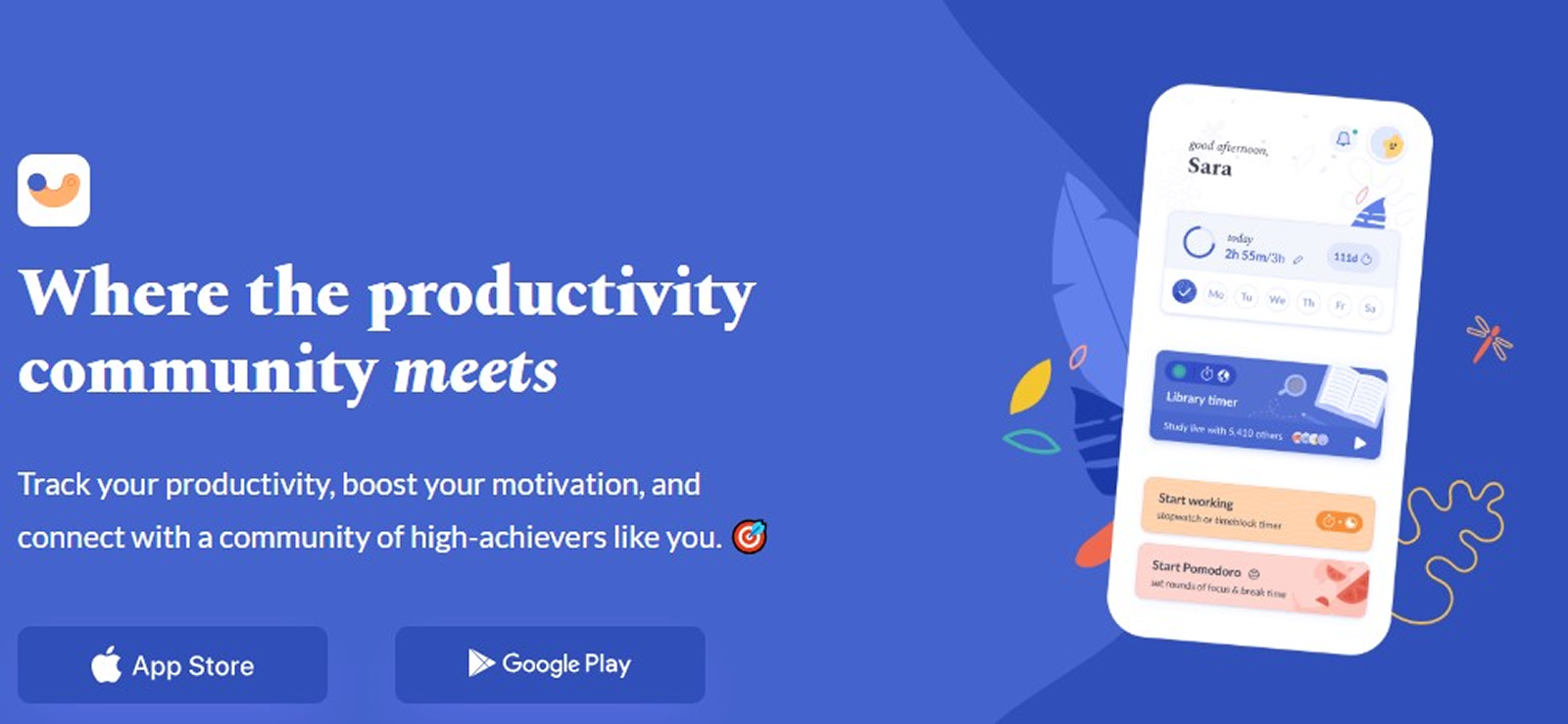
Flipd is a digital wellness app that helps individuals and families reduce screen dependency and build healthier relationships with their devices. Flipd digital detox app for Android and iOS limits phone use with focus sessions and phone-locking features. Families can use it as a collective detox tool to cut down unnecessary screen time and encourage offline activities.
All you need to do is schedule a focus session for a specific period and have the whole family join. Once the session starts, phones remain locked until it ends, with only a limited set of essential apps available.
This removes the constant urge to check notifications and helps everyone stay present. After the session, you can review usage statistics to see how much time was actually spent away from screens. These insights make it easier to adjust routines and plan future detox sessions that fit your family’s daily schedule.
If you keep using the app, over time, you, as a family, can reduce habitual phone checking, improve focus, and sleep patterns. Flipd can help create an accountable environment for both parents and children, and you can make it a family activity so it doesn’t feel enforced on children.
5. Forest
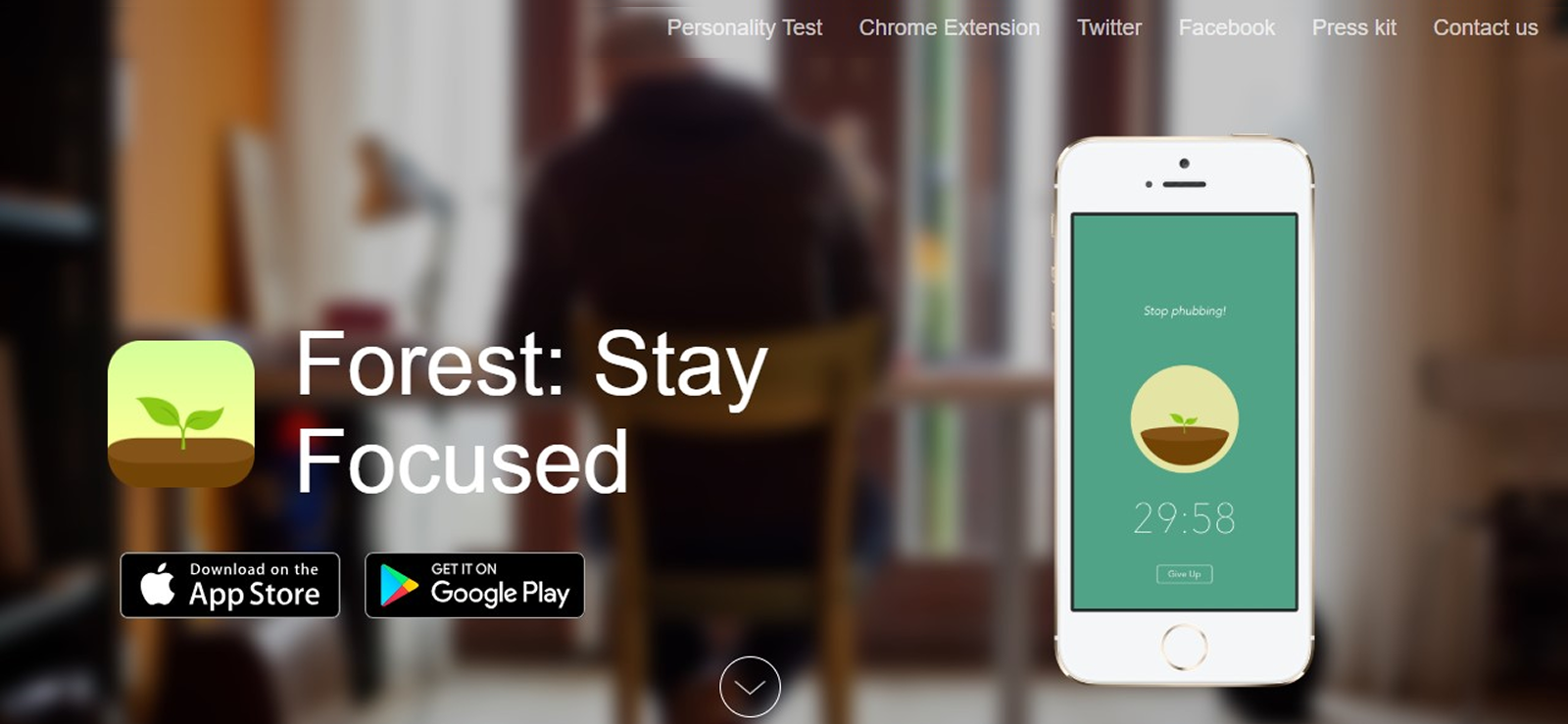
Forest is a unique productivity and digital wellness app that encourages users to stay off their phones by turning focused time into a fun, visual experience. It is available on iOS and Android and combines time management with gamification.
Each focus session lets users grow a virtual tree that thrives only if they stay off their phones. You can easily turn this app into a fun family activity and compare the stats later on. The best thing about the app is that it also supports planting real trees through its partnered programs.
To make it work, schedule a focus session for the desired amount of screen-free time. While the session is active, your virtual tree grows and flourishes as long as you stay off your phone. If you leave the app before the session ends, the tree withers. After a few days or weeks, you can review and compare results; whoever wins can receive a reward.
Forest’s primary purpose is to encourage children and adults to put down their devices during meals, study time, or family bonding moments. The shared goals make it more fun and motivating to do more. Overall, Forest helps families disconnect from devices naturally while promoting focus, mindfulness, and togetherness.
Conclusion
With screen time constantly on the rise, it’s easy to see how both adults and children can get trapped in unhealthy habits. Kids, in particular, often don’t realize how much time they spend online, which is why parents need to step in and guide them. Digital detox apps make this process easier by helping families set healthy boundaries, encourage focus, improve sleep, and create more quality family moments.
Using digital detox apps, for setting limits, involving children in the process, and promoting shared activities, can make the experience positive rather than restrictive. Of course, not every app works for every family. It’s essential to choose an app that genuinely fits your needs and use it responsibly, so the app becomes a helpful tool rather than just another rule.
FAQs
Is a digital detox app free?
Some digital detox apps offer free versions with basic features like screen time tracking and app limits. However, premium versions typically offer more useful controls, deeper insights, and parental monitoring features. Free apps can also be harmful; they may install malware, access private data, and be used for unlawful purposes.
Are digital detox apps effective for managing gaming addiction?
Yes. Many apps allow parents to set app-specific limits or temporarily block games. You can use these limits at the beginning, and once your child finds other activities, you can reduce them.
Do digital detox apps track personal messages?
Most parental monitoring apps you may use for digital detox can show messages. However, whether you are invading privacy depends on how you use the product. It is essential to understand that showing messages is not inherently problematic; it can help you identify where the issue lies and why your child is spending excessive time online. Apps like Xnspy usually focus on ensuring safety online, so they provide insights into screen time and app activity without invading a child’s privacy. Ethical digital detox apps focus on usage patterns rather than reading private messages.
What digital detox app can I use on an Android phone?
For Android users, apps such as Digital Wellbeing, Forest, AppBlock, StayFree, Flipd, Freedom, YourHour, OffScreen, and Xnspy are among the best digital detox apps.
What digital detox app is best for iOS?
For iOS, Screen Time, Forest, Flipd, Freedom, Moment, OffScreen, Stay Focused, Xnspy, Space, etc, are the best apps for digital detox.
Xnspy: The Digital Detox App You Can’t Miss
Make digital detoxing easy and effective for your kids.

3 Comments
Leave a reply:
Your email address will not be published. Required fields are marked*
Hebrew james
March 24, 2026 at 2:30 pmOn top of everything, now we have to worry about our children getting addicted to their phones too? The previous generations had it so easy.
Kadence Jensen
March 27, 2026 at 2:56 pmGoogle family link claims to change everything for parents but the moment I started using it, I faced so many problems and then had to switch to a new solution after my kid turned 13.
Kelvin Rios
March 31, 2026 at 2:45 pmI do believe there are free options available for digital detox. Right?