How to Block Apps on Android Remotely: 5 Best Ways
 By Mike Everett
The complete monitoring experience for your phone
Get XNSPY and start tracking calls, texts, multimedia, locations and more on any phone!
Get Started Now Live DemoManaging what children can access on Android phones has become a growing concern for parents. With endless apps competing for attention, it’s easy for kids to install games, social media platforms, or unsafe content without supervision. That’s where remote app blocking comes in. It allows parents to control or restrict app usage even when they don’t physically have the device.
In this guide, we’ll break down how to block an app on Android using proven and practical methods. Each method serves a different level of control. Whether you want full monitoring or simple app restrictions, this guide will help you choose the right approach based on your needs.
Everything You Need to Know in Under a Minute
- Children often install or use apps without supervision, including games, social media, or hidden apps that may not be visible at first glance.
- Android does not offer a complete built-in solution for remote control, so parents need external tools or system features to manage access effectively.
- Xnspy: Blocks apps remotely through a dashboard with real-time access to all installed apps, including hidden ones.
- Google Family Link: Controls app downloads and limits usage through linked Google accounts and parental approvals.
- Digital Wellbeing: Restricts apps using screen time limits and focus modes, suitable for basic supervision.
- Samsung Knox: Applies device-level restrictions through secure environments, offering strong control on Samsung devices.
- Router Settings: Limits app functionality by blocking network access, though it does not work on mobile data.
Factors I Considered While Testing the Methods
Before recommending any method to parents, I made sure each one actually works in real-life situations and is not just something repeated across blogs.
To do this, I tested all the methods discussed in this guide on two Android devices: a Samsung Galaxy and a Google Pixel. Each method was executed multiple times across different apps, including social media, games, and utility apps, to check consistency. The overall testing period lasted 7 days, during which I closely observed performance, response time, and reliability.
Here are the key factors I considered during testing:
- Effectiveness of App Blocking: The primary goal was whether an app could actually be restricted or blocked when needed. I found that some methods only have limited usage instead of fully blocking access, so I prioritized those that enforced restrictions consistently.
- Response Time: I measured how long each method took to apply restrictions after initiating a block. While some tools reflected changes instantly, others had delays due to syncing or connectivity, which impacted usability in real-time scenarios.
- Bypass Resistance: I tested whether restrictions could be easily bypassed, especially by children with basic device knowledge. Methods that could be undone through simple setting changes were rated lower in reliability.
- Ease of Setup: I also evaluated how simple each method was to configure. Some required only a few steps, while others involved technical setup or one-time device access, which may not be practical for all parents.
Can You Remotely Block Apps on Your Kid’s Android Phone?
Yes, it is possible to block apps remotely on a child’s Android device, but it depends on the tools and permissions available. Android does not provide full native remote control for app restriction, so parents often rely on external solutions when figuring out how to block certain apps on Android safely and effectively.
Different methods offer different levels of control, ranging from simple app restrictions to more advanced monitoring and usage management. Some focus on limiting downloads, while others allow full visibility and control over installed apps.
After testing multiple approaches, I found out that each solution has its own strengths and limitations in terms of reliability, setup complexity, and depth of control. The right choice depends on the level of supervision required and the device environment.
Don’t Miss These Wonderful Reads

📱   How to Block Apps on iPhone Remotely: 5 Proven Methods
🎯  How to See Deleted Messages on WhatsApp Without the Target Device
⚡  How to Track Someone's Location on Android Without Them Knowing
Is it Legal to Secretly Block Apps on Your Child’s Android?
When deciding how to restrict apps on Android phone, the foremost concern is to know whether doing so is legal or not. If you’re thinking the same, the answer is yes, in most regions, parents or legal guardians are legally allowed to manage and restrict apps on their child’s Android device. This is commonly done for supervision and the child’s digital well-being.
The legality usually depends on factors such as the child’s age, device ownership, and local privacy laws. In most cases involving minors, parents are permitted to install parental control tools or enable built-in restrictions to manage app usage and access.
While this is generally legal, responsible use is still important. Many experts recommend balancing control with transparency, particularly for older children, to maintain trust while ensuring safe and appropriate app usage.
How to Block an App on Android: 5 Proven Methods
If you are a parent looking to safeguard your child’s phone, here are the 5 ways to block apps on Android.
| Method | Blocking Type | Bypass Risk | Setup Difficulty | Works Without an Extra App |
| Xnspy | Monitoring + real-time app blocking (toggle-based, includes hidden apps) | No – requires a paid third-party app | Medium – requires one-time physical access for installation | Yes – built into the Android ecosystem |
| Google Family Link | App download control + limited app restrictions | Medium – less control over already installed apps | Easy – quick setup via Google account linking | Medium – can be bypassed if the child has device access |
| Digital Wellbeing & Parental Controls | Usage-based restriction (timers + focus mode) | Medium – can be bypassed if child has device access | Easy – fully native, minimal setup | Yes – built into Android |
| Samsung Knox | Device-level app restriction via secure workspace | Low – highly secure, difficult to bypass | Hard – requires technical setup, Samsung-only | Yes – built into Samsung devices |
| Router-Level Blocking | Network-level restriction (blocks app connectivity) | High – bypassed by switching to mobile data | Hard – requires router admin access and configuration | Low – tracks apps and enforces restrictions consistently; may delay blocking under poor internet conditions |
1. Use XNSPY
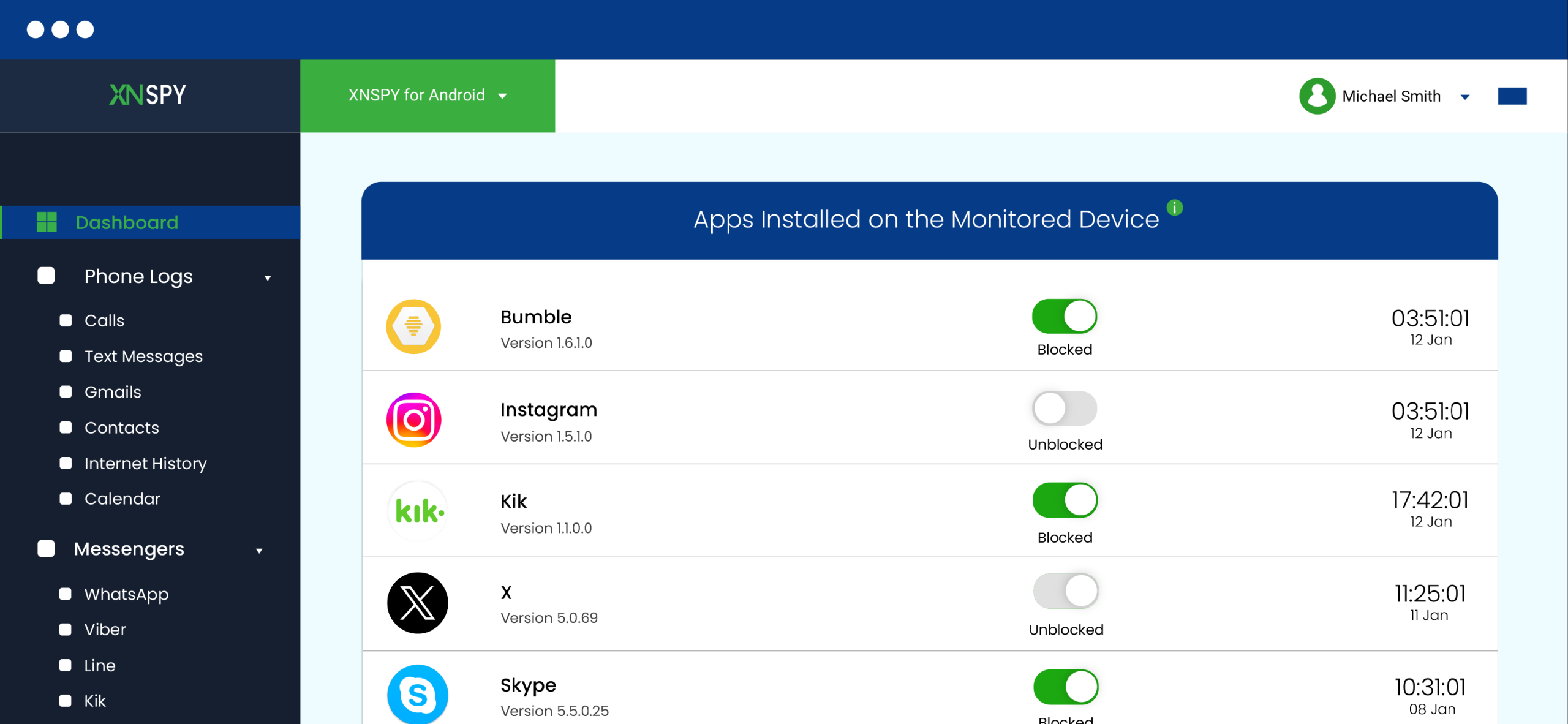
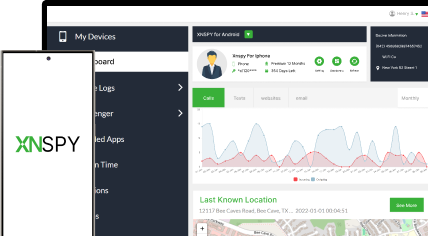
Xnspy is a parental monitoring and control tool that I tested specifically for blocking apps on a target Android device remotely. The app allows parents to view all installed applications from an online dashboard, including apps that are hidden from the device’s home screen or app drawer. During testing, it proved to be one of the most complete solutions for someone wanting to know how to block a specific app on Android.
Inside the control panel, Xnspy displays a full list of installed apps in real time. Each app comes with a simple toggle switch, which lets you remotely enable or disable access instantly. Once an app is blocked, it becomes inaccessible on the child’s device without requiring physical access or manual intervention.
To use Xnspy:
- Subscribe to a plan (Basic or Premium)
- Install Xnspy on the child’s Android device
- Log in to the online dashboard
- Open the “Installed Apps” from the side menu
- View the complete app list (including hidden apps)
- Use the toggle switch to block or unblock any app remotely
My Experience with Using This Method
I tested this feature across multiple Android devices over a one-week period (My wife’s Samsung Galaxy and my personal Google Pixel). The app list was updated consistently, and even hidden apps were visible in the dashboard.
On average, app blocking actions are reflected within 1-3 minutes on the device. Out of 12 tested app restrictions, 11 were successfully enforced without any manual intervention needed. The one time it didn’t work was during unstable internet conditions. When a certain app was blocked, I’d try to open it on the target device, and it showed a pop-up indicating app blockage from the guardian’s end.
What stood out most was the simplicity of the toggle-based system; there was no need for repeated setup or configuration changes. However, the effectiveness depended heavily on stable internet connectivity on the target device for real-time syncing.

Take Total Control Over Apps
Block unwanted apps with XNSPY, anytime, anywhere.
2. Google Family Link
Google Family Link is a built-in parental control system I tested to manage app access and prevent unwanted installations on a child’s Android device. It is designed specifically for guardians and works through linked Google accounts. While it is not as advanced as third-party tools, it is effective for basic supervision and for understanding how to block downloading apps on Android in a controlled environment.
The system allows parents to approve or deny app downloads, set app limits, and remotely manage usage from their own phone. However, it does not provide deep stealth-level control or full hidden-app visibility.
To block apps via Google Family Link:
- Install Google Family Link on the parent’s device
- Link the child’s Google account
- Access app management settings
- Approve or block app downloads
- Set restrictions for selected apps
My Experience with Using This Method
I tested Family Link across 2 child-linked accounts for 5 days. Out of 10 app download attempts, 8 were successfully blocked or required approval. The system response time was instant in most cases.
However, I found that once apps were installed, control over them was limited. It worked best for preventing new installations rather than managing existing apps.
3. Digital Wellbeing & Parental Controls
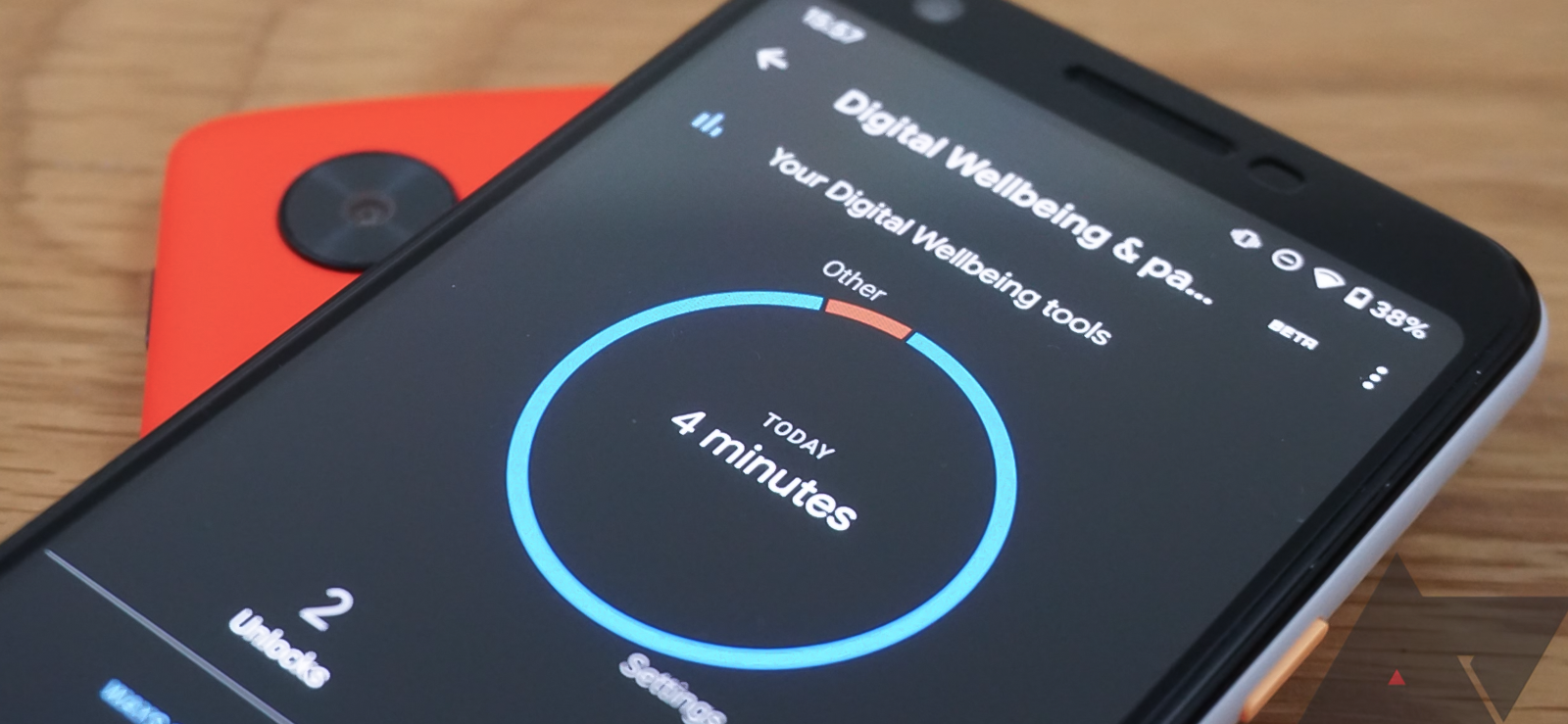
Digital Wellbeing is a built-in Android feature I tested to understand basic app restriction behavior under real usage conditions. It focuses on screen time management rather than strict blocking, making it useful for light supervision when exploring how to restrict apps on Android without third-party tools.
It allows setting timers for individual apps, after which the app becomes unavailable for the rest of the day. It also includes Focus Mode, which temporarily pauses selected apps.
For this purpose:
- Open Settings on the Android device
- Go to Digital Wellbeing & Parental Controls
- Select target apps
- Set daily usage timers or enable Focus Mode
- Save restrictions
My Experience with Using This Method
I tested app timers on 6 commonly used apps over 4 days. Once the limit was reached, apps were successfully blocked for the remainder of the day in 5 out of 6 cases.
However, I noticed that this method is more self-regulatory than enforcement-based. In some scenarios, older children could disable or bypass settings if they had full device access.
4. Try Samsung Knox

Samsung Knox is a security framework I tested on Samsung devices to evaluate its app restriction capabilities. It is primarily designed for enterprise security, but it also provides strong control features for parental supervision, including app-level restrictions and secure workspace management. It is effective if you’re wondering how to block a specific app on Android in a highly controlled environment.
Knox allows administrators to create secure profiles where selected apps can be restricted, disabled, or isolated from general device usage.
To use Samsung Knox:
- Open Samsung Knox or Secure Folder settings
- Create a secure profile/workspace
- Add apps to the restricted list
- Apply device-level policy controls
- Save and enforce restrictions
My Experience with Using This Method
I tested Knox on a Samsung Galaxy device over 3 days. App restrictions were highly stable, with 100% enforcement during the test period. None of the restricted apps were accessible once policies were applied. However, setup required more technical understanding compared to other tools, and it is limited strictly to Samsung devices.

Did You Know?
You can listen to another phone’s surroundings without the other person knowing.

5. Adjusting the Router Settings
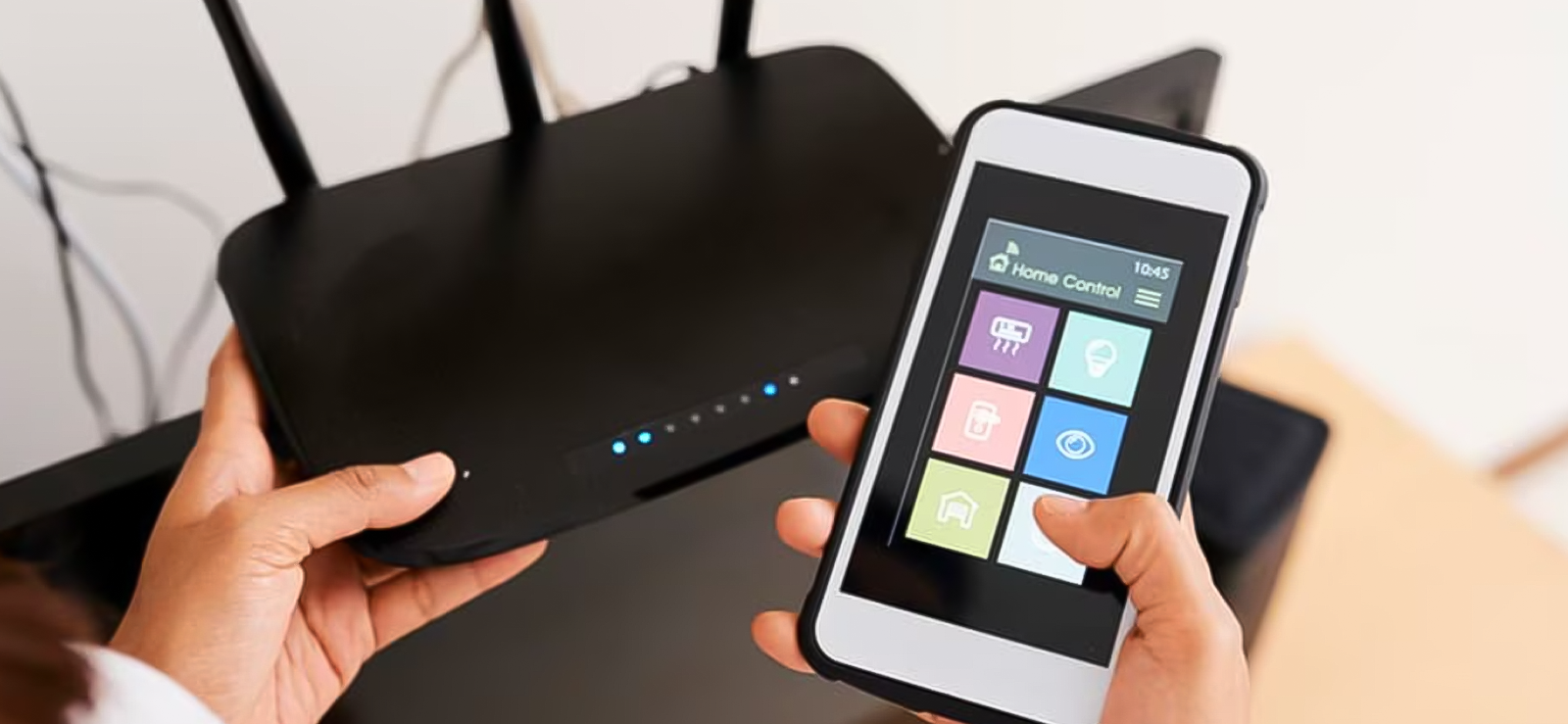
Router-based blocking is a network-level method I tested to understand its effectiveness for controlling app access across a home Wi-Fi network. It works by restricting app-related domains or services, indirectly limiting app functionality. This approach is useful for general control when wondering how to block apps on Android without installing software on the device.
It is not app-specific in a direct sense, but it can reduce or fully block access to certain apps that rely on network connectivity.
In order to enable router-based blocking:
- Log in to the Wi-Fi router admin panel
- Navigate to parental controls or firewall settings
- Identify app-related domains/services
- Add them to the block list
- Save settings and restart the router
My Experience with Using This Method
I tested router-level blocking on a home network for 5 days. Out of 7 targeted apps, 5 showed reduced or broken functionality when connected to Wi-Fi. However, effectiveness dropped entirely when switching to mobile data, which is a key limitation. It worked best as a supplementary layer rather than a standalone solution.
FAQs
How to Block an App From Being Downloaded on Android Without The Other Person Knowing?
To block app downloads on Android, parents can use tools like Google Family Link or advanced parental control apps. These allow you to restrict installations by requiring approval before any new app is downloaded. However, most Android systems display some level of notification when parental controls are active. While complete invisibility is limited, these tools still provide effective control over what apps a child can install and access.
How to Block an App Permanently on Android Without Accessing the Phone?
Permanently blocking an app without ever accessing the device is not feasible due to Android’s security framework. Most solutions require at least one-time physical access to install parental control software or configure device settings. After setup, apps can be blocked remotely on an ongoing basis. Without this initial step, there is no reliable way to enforce permanent restrictions, especially on a child’s Android device with standard permissions.
Can I block apps on Android without root access?
Yes, you can block apps on Android without root access using parental control tools or built-in features. Solutions like Google Family Link or third-party monitoring apps work through account permissions and device administrator settings. These allow parents to restrict app usage, prevent installations, and manage screen time effectively. Rooting is not required and is generally discouraged, as it can compromise device security and void warranties.
How to block social media apps on Android remotely?
To block social media apps remotely, parents can use tools like Google Family Link or dedicated parental control apps like Xnspy. These platforms allow you to select specific apps, such as Instagram, TikTok, or Snapchat, and apply restrictions from a connected device. Once blocked, the apps become inaccessible on the child’s phone. This method works best when the device is linked beforehand and allows consistent monitoring and control over app usage.
Will app blocking affect app data or delete the app?
In most cases, blocking an app does not delete it or remove its data from the device. Instead, the app remains installed but becomes inaccessible to the user. This means all saved data, settings, and content stay intact unless the app is manually uninstalled. This approach is useful for temporary restrictions, as access can be restored later without losing any important information or progress in the app.
Ensure Safe Online Activity for Your Kids
Get XNSPY for a comprehensive monitoring solution.
Leave a reply:
Your email address will not be published. Required fields are marked*
Mike Everett
Member since October 20, 2014
Mike Everett
Member since October 20, 2014
Mike Everett is a consumer technology journalist with expertise in hands-on testing and evaluation of iOS and Android monitoring applications. With over 11 years in the industry, he focuses on how mobile monitoring tools perform in real-world conditions, including accuracy, feature reliability, device compatibility, and practical usability for parents.
He conducts live-device testing of monitoring apps to assess how well their features function beyond marketing claims. His work primarily includes comparative reviews, feature breakdowns, and buyer-focused guides designed to help parents understand which tools actually deliver usable results in everyday scenarios.