Spotify Porn: How Explicit Audio Bypasses Restrictions and Reaches Teens

The complete monitoring experience for your phone
Get XNSPY and start tracking calls, texts, multimedia, locations and more on any phone!
Get Started Now Live DemoHow often have you called your child’s name and gotten no response, only to discover they are lost in the sounds of their earbuds? Chances are, you assume that they are vibing to their favorite playlist or artist on Spotify. But here’s the question most parents don’t think to ask: what else could they be listening to?
Spotify isn’t just home to music anymore. It is also where kids and teens can stumble across or actively search for explicit audios that look nothing like the safe content you expect. We know what you are thinking: Porn on Spotify? Really? Yes. And if that surprises you, you are in good company.
Today, we will walk you through what is really happening on Spotify, why it appeals to the kids, the hidden risks it brings, and most importantly, the steps you can take to protect your child.
You Wouldn’t Miss These Blogs
⚡ FAFO Parenting: What It Means, Why It Works, & When to Use It
🎩 How to Find Out if Someone Has an OnlyFans Account: 5 Easy Ways
🔞 Is Discord Safe for Kids? Safety Features and Hidden Dangers
👩❤️💋👨 How to See if Someone Is on Dating Apps: 5 Best Methods
Is There Porn on Spotify?
Yes. Spotify has been under a lot of controversy because there is porn on it. However, Spotify porn is of various types, and these are:
Erotic Dramas and Stories
The foremost type of sexual content on Spotify consists of fictional or real erotic encounters. These are like audiobooks with characters and dialogue. They have a plot that engages the listeners as the premise unfolds. However, while they do start off as romantic storytelling, they are quite quick to turn into graphic, sexual details.
ASMR Erotica
ASMR (Autonomous Sensory Meridian Response) is intended to promote relaxation as it features whispers, tapping, and soft sounds. But in the erotic version, the same techniques are used to create sexual arousal.
Erotic ASMRs on Spotify can often include whispering explicit phrases, imitating intimate acts, or using sound effects that mimic sexual activity. Because ASMR is so popular with young people, this version is one of the easiest for teens to find and one of the most tempting for them to keep listening to.
Erotic Roleplay
In roleplay audios, creators act out scenarios in the second person, so the listener feels like they’re directly involved. These can range from seemingly innocent conversations to explicit sexual situations. Roleplays often include pet names, scripted flirting, and eventually graphic sexual dialogue, which can make them feel very immersive and addictive for the young population.
Moaning Compilations
This genre is the most straightforward: long audios made up of nothing but sexual moaning and heavy breathing. They often get labeled as “relaxation sounds” or use vague titles like stress relief or deep breathing, but the content is unmistakably pornographic. Because they’re so simple to produce and easy to label in misleading ways, these compilations are surprisingly common.
Explicit Podcasts
These are entire shows built around adult content. Some podcasts feature discussions of sexual experiences, while others are essentially audio porn. The audio may include scripted stories, erotic confessions, or recordings of sex acts.
A big issue with explicit podcasts is that they often include links in the show notes or episode descriptions that lead directly to external adult websites. Such links take the risk beyond Spotify itself.

Did You Know?
Now you can also see if your kid is active on Snapchat.

How Spotify Became Home to Porn
Now that you have gotten your answer to ‘Is there porn on Spotify’, let’s move on to discuss how it got here in the first place.
Open Upload Permissions
Unlike music, which typically comes from verified record labels or distributors, Spotify allows almost anyone to upload podcasts. While this open-door policy is great for creators who want to share niche stories or educational content, it has a parallel side to it as well. In this way, it also becomes easier for explicit material to slip through as there are fewer barriers in the way.
All it takes is someone uploading an audio with suggestive titles or hidden language, and suddenly, it’s available worldwide. As a result of this, kids don’t need to visit adult websites when they find that such content is just a search away on Spotify itself.
Moderation Gaps
Spotify says it uses a mix of artificial intelligence and human reviewers to keep inappropriate material off the platform. So, where’s the problem then? Well, the sheer volume of uploads makes it impossible to catch everything.
While it is easy for AI to detect explicit text easily, it struggles to understand audio-only content, like whispers, moans, or disguised storytelling. On the other hand, human reviewers can’t realistically listen to every new upload. This leaves big gaps where explicit audio goes unnoticed and stays on the app.
Gray Zones
Some of the most problematic content on Spotify doesn’t show up under obvious adult labels. Such content hides in the gray zones of romance, roleplay, or relaxation audio. These audios seem innocent at first, but turn into graphical content quite soon.
Because these don’t always break Spotify’s rules at first glance, they’re harder to flag and remove. Creators often use vague titles to make the content look harmless while still being highly explicit. Teens who know the right keywords can find these gray-zone audios with ease.
Video Podcasts Loopholes
Spotify doesn’t just host audio; it also supports video podcasts. This opens another loophole: explicit creators can upload adult-themed visuals under the guise of podcasting. Since the platform wasn’t originally built for video moderation, some of this content goes unnoticed, and as a result, people can see porn videos on Spotify as well.
So the risk isn’t limited to what kids hear through their earbuds; it can extend to what they see on-screen, too.
Reactive Enforcement
Most of Spotify’s moderation is reactive, not proactive. That means content often stays live until enough people report it. By the time explicit episodes are flagged and removed, kids and teens may have already accessed them.
This is a laid-back approach, which can make it difficult to keep harmful content off the platform. For parents, it creates a frustrating reality that even if one podcast is taken down, another may pop up just as quickly.
Why Kids and Teens Are Searching for Porn on Spotify
If you’re wondering why kids would even think to look for porn playlists on Spotify, the answer is:
Ease of Access
Unlike adult websites, Spotify is already on most kids’ phones and devices, often with a family subscription. They don’t need to download anything new, sign up for accounts, or worry about raising suspicion in their parents’ eyes.
All they need to do is type the right keywords into the search bar. This easy accessibility lowers the barrier and makes Spotify an easy entry point for children and teens to explore sexual content.
Curiosity
Curiosity is a natural part of growing up, but Spotify gives kids a discreet way to act on it. Listening to explicit audio feels less risky than watching videos on adult websites, and for many teens, it is a way to test the waters without leaving behind obvious evidence.
The immersive, private nature of audio also makes it appealing; no one can peek over their shoulder to see what they’re looking at.
Algorithmic Glitches
Spotify’s recommendation system is designed to suggest similar content like every other app. However, sometimes the algorithm works against parents. It is quite common on Spotify that a child starts listening to innocent ASMR, storytelling, or relationship podcasts.
But the ‘you might also like’ suggestions might shift them toward porn videos on Spotify. So, in a nutshell, your child doesn’t even need to know how to find porn on Spotify; the algorithm itself is enough.
Community Influence
Word spreads at a fast pace among teens. On forums, group chats, or even social media apps like TikTok, kids sometimes share specific keywords or podcast names that unlock porn playlists on Spotify.
This peer-to-peer knowledge makes it even easier for teens to find explicit material. If everyone in their peer group is listening to a certain ASMR channel or adult story, the pressure to check it out becomes hard to resist.
Low Risks of Viruses and Pop-Ups
One of the main reasons teens avoid traditional porn sites is the risk of viruses, malware, or annoying pop-up ads. Spotify, on the other hand, feels clean and safe. There are no shady ads or pop-ups. Moreover, since it’s a mainstream platform, kids don’t worry about harming their devices. Hence, it becomes a more attractive option for exploring sexual content.
Less Suspicious
Finally, Spotify doesn’t raise red flags the way a browser history full of adult websites would. Parents rarely think to check a child’s Spotify listening history, and explicit audio can be disguised under harmless-sounding titles.
Because earbuds hide what is being played, Spotify becomes a hidden way for teens to consume adult content without the risks of being caught.
How Spotify Handles (and Fails to Handle) Explicit Audio
Spotify knows its platform isn’t meant for porn, but the way it moderates content doesn’t always match the reality of what kids can access. Let’s break down what Spotify claims to do versus where those efforts fall short.
Claims
Spotify has publicly stated that it does not allow pornographic content. On paper, it has rules and systems in place to keep the platform safe and sound for all its users.
Officially Bans Such Content
Spotify’s official guidelines clearly state that pornographic or sexually explicit content is prohibited. The platform emphasizes that it wants to maintain a safe environment for music lovers, podcasters, and young listeners. By drawing this line in its policies, Spotify positions itself as a family-friendly service.
AI + Human Review
To enforce its policies, Spotify uses a combination of artificial intelligence tools and human reviewers. AI helps scan uploads quickly and does so by flagging suspicious titles or descriptions while human teams take a closer look at reported or questionable content.
Content Markers
Spotify also relies on explicit labels. These are the tags that are supposed to warn users about mature content. Music tracks with swear words often carry these markers, and podcasts can include them too.
Fails
Despite these efforts, explicit audio remains present on Spotify. That’s because the systems in place have blind spots that creators can exploit, and teens can easily find.
Creators Hide in Gray Areas
While one has to mark their content on Spotify, these markers depend heavily on the honesty of creators. If an explicit podcast doesn’t self-label or if it’s disguised under a vague title, it may slip past filters entirely.
Moreover, many adult audio creators avoid being flagged by framing their shows as romance, sleep stories, or ASMR. By hiding in these gray zones, they bypass filters and moderation systems. The content might sound innocent at first, but it often becomes explicit as the episode progresses.
Lack of Proactive Enforcement
Spotify’s moderation is largely reactive. The explicit content usually stays live until someone reports it. By the time it’s flagged and removed, teens may have already accessed it.
This creates a frustrating whack-a-mole cycle: once one explicit podcast disappears, another pops up to take its place. So, harmful content is always a few clicks away, no matter how many times Spotify intervenes.
Taking Advantage of Loopholes
The loopholes in Spotify’s content moderation policy allow for explicit videos to slip through. Spotify’s addition of video podcasts created a new challenge. Explicit creators can now upload visual adult content disguised as podcasts.
Because Spotify’s moderation systems weren’t built for large-scale video content, inappropriate visuals can fly under the radar much longer. This loophole widens the risks for kids, extending beyond what they hear to what they might see.

Get Xnspy to Stay Ahead of Online Risks
Don’t let hidden content on Spotify disturb your children.
– Monitor messages, calls, and social apps in real time
– Track GPS location and set geofencing alerts
– Access hidden or deleted content on apps like Spotify
– Receive detailed activity reports for safer online habits
Inability of AI to Detect Audio-Only Content
On paper, the blend of technology and human review should keep the platform clean. However, in reality, AI isn’t great at detecting audio-only sexual content. Audio is tricky to moderate. Unlike text or video, where keywords or images can be scanned for red flags, audio requires actually listening to catch explicit material.
Spotify’s AI isn’t advanced enough to parse moans, whispers, or roleplay scenarios reliably. This leaves a massive blind spot where explicit audio can live undetected until a listener reports it.
Recommendations Can Lead Listeners
Even if a child isn’t actively searching for explicit content, Spotify’s recommendation system can accidentally guide them there. Algorithms suggest “related shows” or “you might also like” options that connect to adult podcasts if a teen has been listening to ASMR, romance, or roleplay audio.
So, what starts as innocent listening can quickly spiral into exposure to porn simply because of how the platform links content.
The Hidden Dangers of Spotify Porn for Kids and Teens
At first, explicit audio on Spotify might seem less harmful than video porn, but the risks for kids and teens are just as real, and in some cases, more subtle. Here are some of the dangers you should be aware of.
Distorted Understanding of Sex
When kids and teens consume explicit audio, they aren’t just listening to stories; they’re absorbing ideas about what sex ‘should’ look or sound like. Many of these audios exaggerate or dramatize intimacy in ways that are far from reality.
Resultantly, young listeners may develop warped ideas about relationships, consent, and pleasure. This distortion can affect how they view their own bodies and what they expect from future partners, creating unrealistic or harmful standards that carry into adulthood.
Early Exposure
Most experts agree that early exposure to sexual content before a child is emotionally ready can be damaging. On Spotify, this exposure can happen at a much younger age than parents might expect because access is just a search away.
Children who encounter porn too early may feel confused, overwhelmed, or pressured to act older than they are. Overall, Spotify porn can prematurely push them into adult topics they aren’t ready to handle.
Addictive Listening Patterns
Audio porn may not look like traditional porn, but it can be just as addictive. The immersive nature of earbuds makes the experience private and repetitive, so teens feel the need to return to that experience again and again.
Over time, this creates patterns of dependency where a child craves explicit listening to relax, escape, or cope with stress. These addictive habits can interfere with school, friendships, and even sleep. Ultimately, it becomes harder for kids to balance healthy routines.
Safety Risks
Some explicit creators use Spotify to funnel listeners toward external sites, communities, or subscription platforms where the content becomes even more graphic. These off-platform links may expose kids to unsafe spaces where predators or exploitative content exist. Even without direct links, some podcasts encourage interaction through social media or private groups.
Mental Health Problems
Consuming explicit audio regularly can take a toll on a child’s mental health. Feelings of shame, secrecy, or guilt may arise when they know they’re listening to something forbidden.
At the same time, sexualized content can heighten anxiety, body image issues, or depression, especially if teens compare themselves to what they hear. For vulnerable kids, this creates a harmful cycle: they listen to cope with stress, but the content itself worsens their emotional struggles.
Normalization of Such Content
Perhaps the most subtle danger is how quickly explicit content becomes normalized once teens become accustomed to it. When porn feels like just another playlist or podcast, the line between healthy curiosity and unhealthy dependency blurs.
Over time, kids may see porn as a standard part of life rather than recognizing it as adult content with risks. This normalization can delay important conversations that parents should guide about, instead of explicit audio. These include boundaries, respect, and real intimacy.
5 Practical Steps Parents Can Take to Protect Their Kids from Spotify Porn
The good news is that while Spotify has its gaps, you’re not powerless. With the right tools and conversations, you can reduce the risks and guide your child toward healthier listening habits.
Use Spotify’s ‘Explicit Content’ Filter
Spotify offers an ‘Explicit Content’ filter that automatically blocks songs and podcasts marked with explicit labels. While it’s not perfect, it’s still a good first line of defense. Parents can enable this setting through the account dashboard and apply it to individual family accounts.
Once turned on, your child won’t be able to play content that’s marked explicit, no matter what device they’re using. This filter works best when paired with other strategies, as it relies heavily on honest labeling from creators.
Create a Kid-Friendly Account
If your child is younger, consider setting up a separate account through Spotify Kids (available for Premium Family users). This app is designed specifically for children as it offers age-appropriate songs, stories, and playlists.
Unlike the main Spotify app, Spotify Kids doesn’t allow podcasts or open searches, which means there’s no risk of stumbling across explicit audio. For older kids or teens, you can still create a supervised account within your family plan. This gives you more control over filters, access, and listening history.
That said, Spotify Kids is only available if you pay for a Premium Family subscription. And once your child is old enough to move back to the main Spotify app, you’ll need additional safety measures, because supervision tools on teen accounts are fairly limited.
Use Xnspy Monitoring App
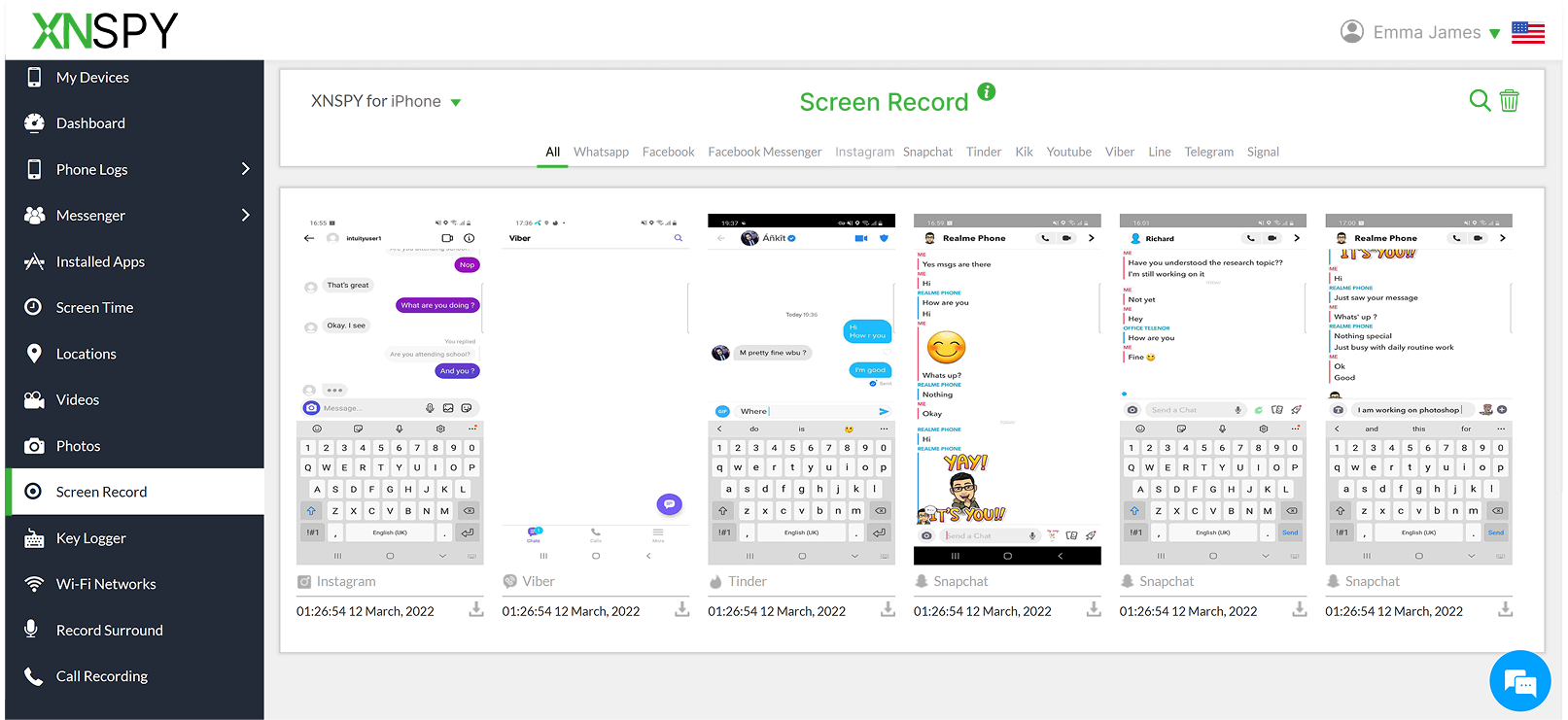
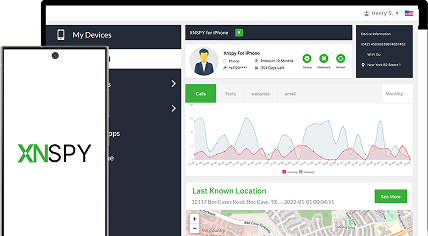
For parents who want deeper oversight, third-party monitoring apps like Xnspy can be helpful. Xnspy allows you to track what your child is listening to on Spotify, as well as other online activities, by syncing with their device. Through the app, you can view browsing histories, search queries, and even screen recordings that give you a clearer picture of their behavior.
One of Xnspy’s biggest strengths is real-time updates. The keylogger feature of Xnspy records every keystroke from the targeted device. So, whatever your child searches for on Spotify will be recorded on your dashboard. Along with that, even if your child plays an explicit audio/podcast, the screen recording feature will take screenshots and upload them to the dashboard for you to view.
Xnspy also offers keyword alerts, so if your child searches Spotify for certain phrases, you’ll get notified instantly via email. Moreover, it also offers certain features that help you take charge of the situation.
The app blocking option helps you block Spotify remotely when needed. Moreover, the lock phone feature allows you to remotely lock your child’s phone when you want them to follow a certain routine or rule.
Beyond Spotify, Xnspy can also help you track texts, calls, and social media activity. When combined, all these features make Xnspy a reliable way to ensure your child consumes content that is appropriate for their age.
Discuss Online Boundaries

Technology alone isn’t enough. Kids need guidance and honest conversations about what they may encounter online. Talk openly with your child about why certain content isn’t healthy for their age and how it can affect their understanding of relationships.
Also, encourage them to come to you if they ever stumble across something uncomfortable on Spotify or elsewhere. By setting clear boundaries with open discussions, instead of just imposing rules, you make it more likely that your child will respect and follow them.
Report Inappropriate Content
Finally, don’t underestimate the power of reporting. Spotify has a built-in reporting system that lets you flag podcasts or tracks that break its guidelines. If you find explicit content disguised under harmless titles, report it directly from the app.
The more reports Spotify receives, the more pressure there is to take action. Encourage your child to do the same if they ever come across something inappropriate.
Conclusion
As a parent, it can feel overwhelming to realize that something as ordinary as Spotify isn’t always as safe as it seems. The truth is, explicit audio on Spotify isn’t just a hypothetical issue; it’s a reality that kids and teens can access with surprising ease. But knowing the risks is the first step toward protecting your child.
By combining Spotify’s built-in safety tools, third-party monitoring tools like Xnspy, and, most importantly, open conversations at home, you can create an environment that protects your child.
FAQs
1. Can kids accidentally stumble upon explicit content on Spotify without searching for it?
Yes, kids can accidentally come across explicit content even knowing how to find porn on Spotify. Spotify’s recommendation system sometimes suggests podcasts or tracks based on listening history. For example, a child starting with innocent ASMR or storytelling could be nudged toward adult-themed audio. Misleading titles like ‘relaxation sounds’ also make explicit content harder to identify, meaning kids don’t always need to search directly to be exposed.
2. Does Spotify Kids include podcasts?
No, Spotify Kids does not include podcasts. The app is designed specifically for children under 12 and offers only curated playlists of songs, stories, and educational content. Unlike the main Spotify app, it also removes open searches to reduce the risk of encountering inappropriate material. While this makes Spotify Kids safer, it’s only available with a Premium Family subscription, and older children eventually move back to the standard Spotify app.
3. Are there parental control settings inside Spotify?
Spotify offers some parental control options, but they are limited. The main feature is the ‘Explicit Content’ filter, which blocks tracks and podcasts labeled as explicit by creators. Parents can also manage access through family accounts and set up Spotify Kids for younger children. However, Spotify doesn’t provide in-depth parental dashboards, detailed activity monitoring, or time limits, meaning additional third-party tools like Xnspy are often needed for stronger oversight.
4. Is audio porn less harmful than video porn for teens?
Not necessarily. While audio porn lacks visuals, it can still distort teens’ understanding of intimacy, relationships, and consent. Because it’s immersive and private, explicit audio can be addictive and normalize unhealthy behaviors just as much as video porn. In fact, the secrecy of earbuds often makes it harder for parents to detect, which increases its potential impact. The harm depends less on the format and more on early, unsupervised exposure.
5. Why don’t Spotify’s filters block all explicit audio automatically?
Spotify’s filters depend heavily on creators labeling their content as explicit. If a creator skips or mislabels their upload, the filter won’t catch it. AI moderation helps, but it struggles with audio-only content, where moans or roleplays are harder to detect than text or images. Since human reviewers can’t realistically screen every upload, explicit content often slips through gaps in Spotify’s filtering system.
6. Do other streaming platforms have the same problem?
Yes, Spotify isn’t the only platform facing this issue. Other streaming services with open podcast uploads, such as Apple Podcasts or Google Podcasts, also struggle with explicit audio. The challenge lies in moderating massive amounts of user-generated content across platforms. However, Spotify’s popularity among young users makes it a bigger concern for parents, since kids often use it daily for music and can unintentionally run into adult material.
7. Can explicit audio on Spotify lead kids to external porn sites?
Yes, many explicit podcasts on Spotify include links in their descriptions, episode notes, or creator bios that redirect listeners to external adult websites or subscription platforms. These external sites often host more graphic content and may carry additional risks, such as exploitative material or unsafe communities. So, the danger isn’t limited to Spotify itself; once kids follow those links, they can be exposed to far more harmful environments.
Make Spotify Safer for Your Family
Use Xnspy to spot hidden content on Spotify and keep kids safe.

3 Comments
Leave a reply:
Your email address will not be published. Required fields are marked*
Kylan Gentry
February 17, 2026 at 1:56 pmSPOTIFY PORN IS A THING? OH GOD
Marceline Avila
February 18, 2026 at 8:07 amWhere can I find it? ;) Asking for a friend
Koda Phan
April 3, 2026 at 10:48 amIs there a way for me to block spotify entirely on my son's phone