How to Screen Record Instagram Story: 5 Best Ways
 By Mike Everett
The complete monitoring experience for your phone
Get XNSPY and start tracking calls, texts, multimedia, locations and more on any phone!
Get Started Now Live DemoEver been scrolling through Instagram when a Story pops up that you know you’ll want to see again, only for it to vanish before you can? Maybe it’s a friend’s epic travel trip or an unexpected announcement you can’t stop thinking about. The problem is, Stories only last 24 hours.
But your access to them doesn’t have to.
Knowing how to screen record an Instagram Story means you can capture those fleeting moments in their original quality, whether you’re on a phone or sitting at a computer. In this guide, I tested 5 methods across iPhone, Android, Windows, and Mac so you can pick whichever one fits the device you already have in front of you.
Quick Look Before You Screen Record
- Instagram does not notify anyone when you screen record a Story. This is the same no-alert policy that applies to regular screenshots.
- Built-In Screen Recorder (iPhone & Android): The fastest option with nothing to download. You can access this via Control Center on iPhone and Quick Settings on Android.
- Third-Party Screen Recording App: Apps like AZ Screen Recorder or DU Recorder add editing tools and higher-resolution options the native recorder doesn’t offer.
- Use Another Device: Point a second phone or camera at the screen. Works on any device; no software or permissions required.
- OBS Screen Recorder (Windows & Mac): Free and desktop-based, best if you’re already viewing Instagram through a browser on your computer.
- Browser-Based Screen Recorder: Extensions like Loom or Screencastify record a browser tab directly; no desktop install needed.
- Xnspy (Parents): Parents can review periodic screenshots of a child’s Instagram activity, including Story posts, through Xnspy’s dashboard.
Can People See if You Screen Record Their Instagram Story?
No, people cannot see if you screen record their Instagram Story. Instagram has no built-in feature that alerts someone when their Story is recorded. Whether you use your phone’s screen recorder or a separate recording tool, the person who posted the Story has no way of knowing it happened.
In February 2018, Instagram briefly tested a feature that showed a small icon next to the names of users who screenshotted a Story. The test lasted only a few months before Instagram pulled it after strong negative user feedback, and the platform has not reintroduced it since. As of 2026, there is still no system in place to detect or notify anyone of screenshots or screen recordings of Stories.
Don’t Miss These Blogs

👍  How to See What Someone Likes on Instagram: 6 Methods
🕵️  How to View Someone’s Instagram Story Anonymously: 6 Easy Ways
👀  How to View Private Instagram Profiles: 5 Proven Ways
📣  How to See Someone’s Activity on Instagram: 5 Best Methods
How I Tested These Screen Recording Methods
To figure out which method actually holds up, I tested all five approaches using an iPhone (running the latest iOS version), a Samsung Galaxy A series phone, a Windows laptop, as well as a MacBook.
I then recorded a mix of public and private test-account Stories (photo Stories, video Stories, and ones with stickers or polls) over about a week.
I considered the following factors:
- Device Coverage: I noted which methods are actually usable on iPhone, Android, and desktop, since not every option works everywhere.
- Setup Effort: While testing, I tracked how long it took to get from a fresh install to an actual recording, both the first time and on repeat use.
- Recording Quality: I then compared resolution, lag, and whether the final video looked clean or introduced glare, watermarks, or compression artifacts.
- Consistency: I also repeated each method 5 to 10 times across different Stories to see how often it captured clean footage without glitches, missed frames, or crashes.
- Detectability: For every method, I confirmed on the poster’s side of the test account that nothing showed up in their notifications or activity.
5 Proven Methods to Screen Record Instagram Story Without Them Knowing
Whether you’re on your phone, your laptop, or borrowing someone else’s device, here are the 5 methods that reliably worked when I tested them.
| Method | Works On | Reliability | Setup Time | Limitations |
| Built-In Screen Recorder | iPhone & Android | High | Under 1 Minute | Captures notifications and calls unless DND is on |
| Third-Party Screen Recording App | iPhone & Android | Medium-High | ~3 Minutes (first time) | Free tiers often add watermarks or ads |
| Use Another Device | Any device with a camera | Medium | 1 Minute | May catch glare, which can hurt video quality |
| OBS Screen Recorder | Windows & Mac | High | 10-15 Minutes (first time) | Desktop Story player is less polished than mobile |
| Browser-Based Screen Recorder | Windows, Mac, Chromebook | Medium | 2 Minutes | Free plans may cap recording length or resolution |
1. Built-In Screen Recorder (iPhone & Android)
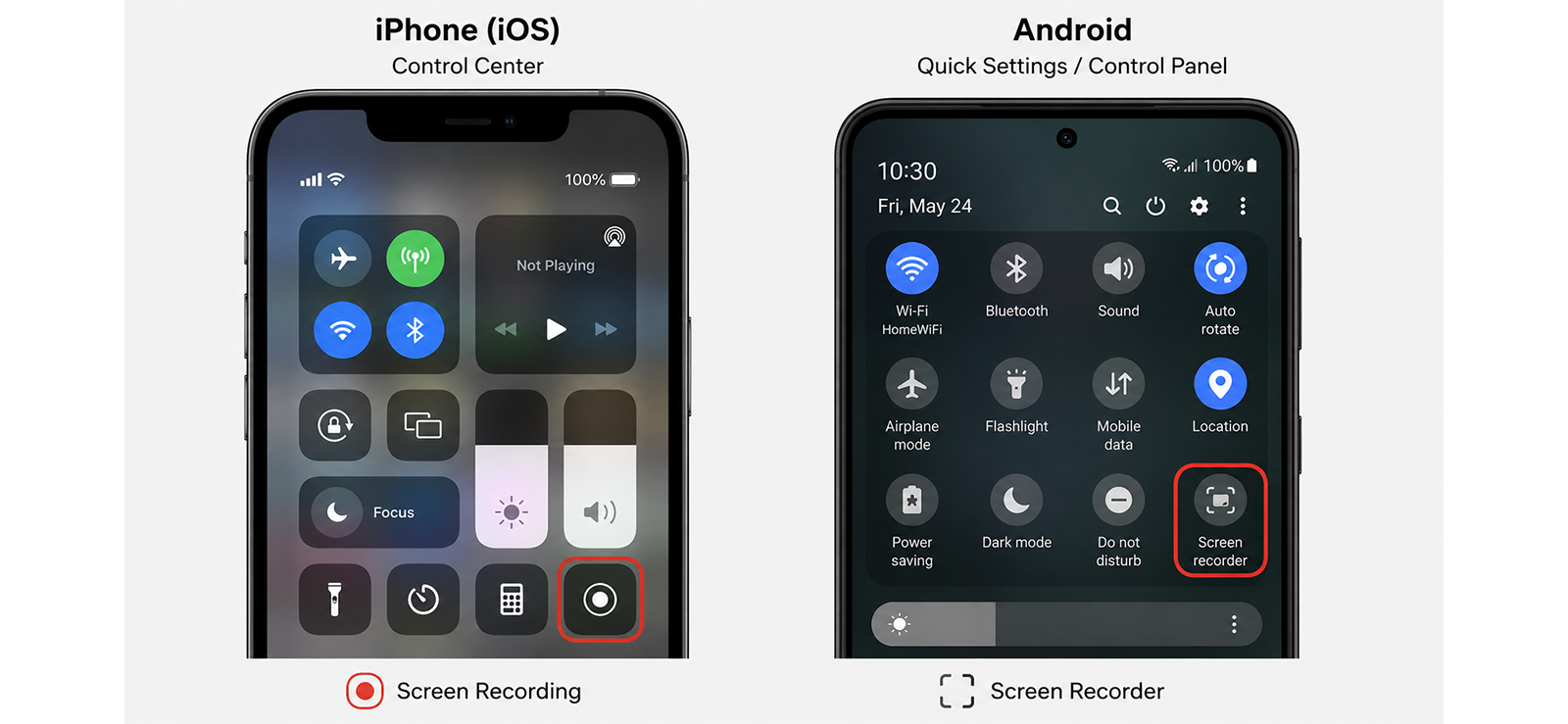
Both iPhone and Android have had native screen recording built in for years now, and it’s still the least complicated way to capture a Story since there’s nothing to download and no third-party app asking for permissions.
On iPhone:
- Go to Settings, tap Control Center, then tap the green “+” next to Screen Recording to add it (skip this if it’s already there).
- Swipe down from the top-right corner of your screen to open Control Center.
- Tap the Screen Recording button and wait for the 3-second countdown.
- Open Instagram and play the Story you want to capture.
- Tap the red status bar at the top (or reopen Control Center and tap the record button) to stop. The video saves automatically to Photos.
On Android:
- Swipe down twice from the top of the screen to open Quick Settings, and add the Screen Record option first if you don’t already see it.
- Tap Screen Record, choose your audio preference and whether to show taps, then tap Start.
- Open Instagram and play the Story.
- Stop the recording from the notification shade or Quick Settings. The video saves to your Gallery.
Menu wording and option placement can vary slightly by Android skin (Samsung, Pixel, and others each arrange Quick Settings a little differently), so expect small differences from what’s described above.
How Was My Experience?
This was the method I reached for most during testing, and it rarely let me down. On the iPhone, every one of my 10 test recordings came out clean, though I did fumble the first attempt because I’d forgotten to add the control to Control Center beforehand.
On the Galaxy, 9 out of 10 recordings were fine; one clipped the first half-second of the Story because I tapped Play before the 3-second countdown had actually finished.
The only real downside is that both versions record everything on your screen, so an incoming call banner or a notification popping up mid-Story will end up in the video unless you switch on Do Not Disturb first.
2. Third-Party Screen Recording App
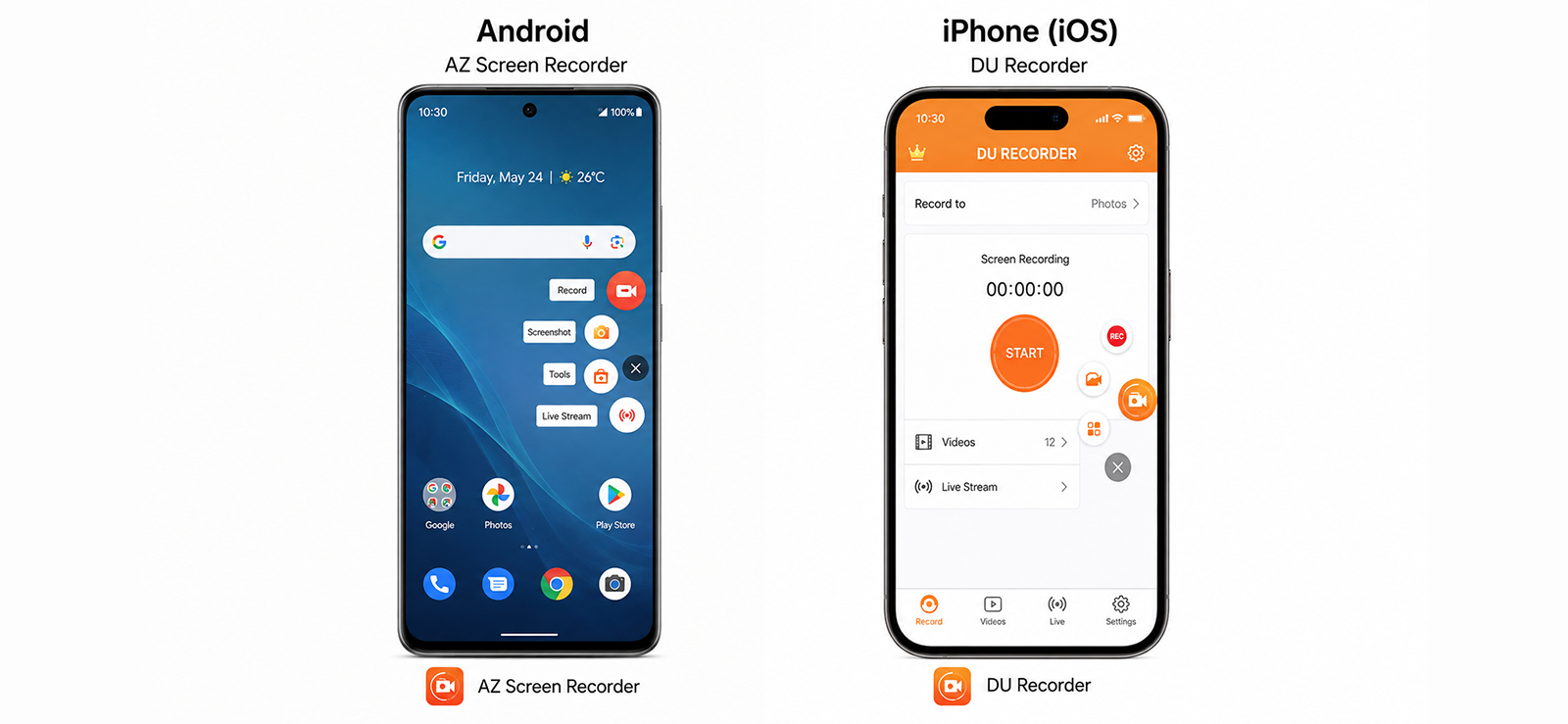
If you want more control than the built-in recorder gives you, apps like AZ Screen Recorder, XRecorder, or Mobizen on Android, and DU Recorder on iPhone, add features like facecam overlays, in-app editing, and adjustable resolution or frame rate.
For this method:
- Download a reputable screen recorder from the App Store or Google Play.
- Grant the permissions it asks for (screen recording and microphone if you want narration).
- Open the app’s floating control panel or widget and tap Record.
- Switch to Instagram and play the Story.
- Return to the app’s controls (or your notification shade) to stop, then export or share the saved file.
How Was My Experience?
I tested AZ Screen Recorder on the Galaxy and DU Recorder on the iPhone. AZ Screen Recorder was straightforward once I clicked through the ad-supported free-tier prompts, and 8 of my 10 recordings came out watermark-free since I was on the trial period; after that, the watermark showed up unless I paid for the ad-free version.
DU Recorder on iPhone worked but re-asked for screen recording permission every session, which got mildly annoying after the fourth time.
Compared to the built-in recorder, both apps gave me higher bitrate output and the option to draw or annotate live, which is genuinely useful if you’re saving a Story to reference later rather than just to rewatch it.

Stories Fade. Evidence Does Not
Record any Instagram Story with Xnspy.
3. Use Another Device
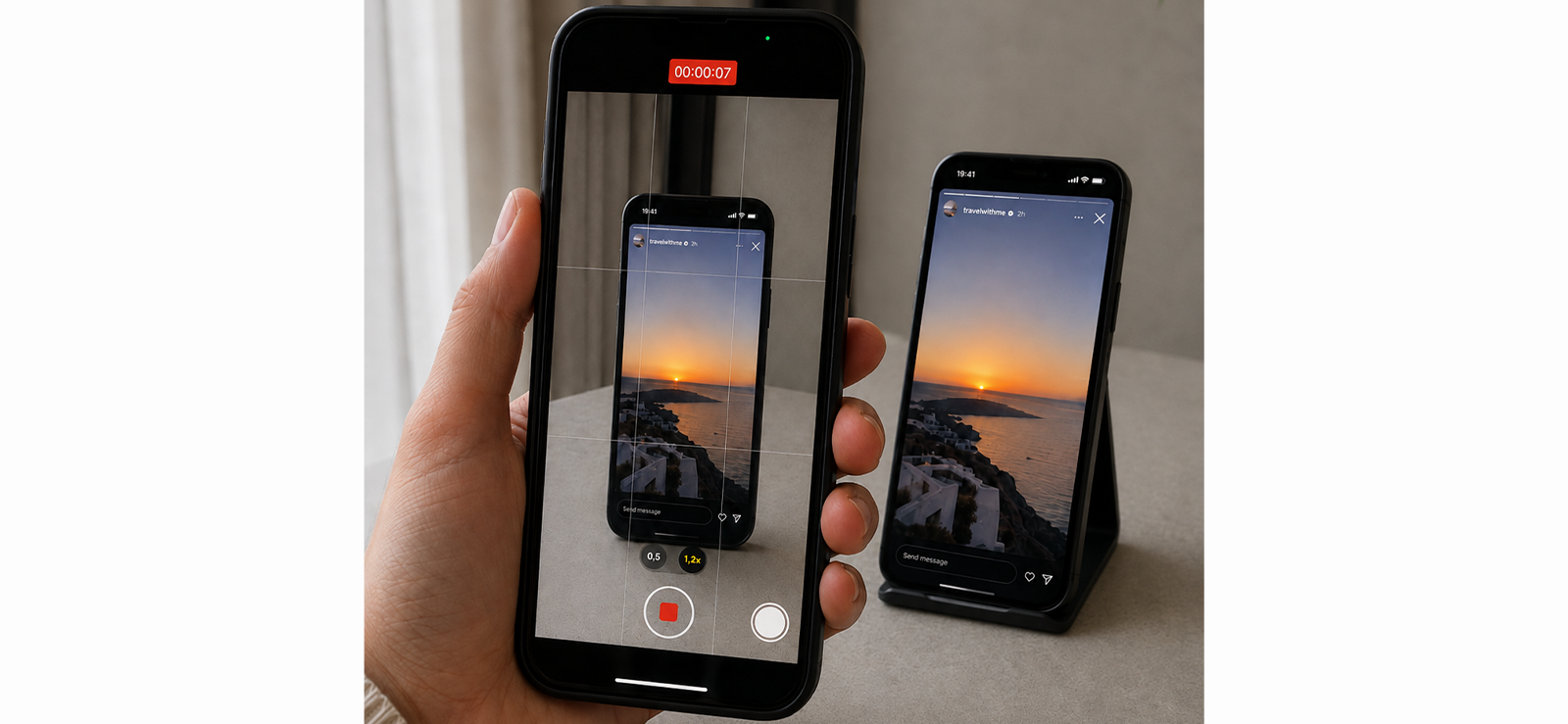
If you’d rather not install anything or your primary device doesn’t support screen recording, the simplest workaround is to record the screen using a second phone, tablet, or camera. It works on literally any device, since you’re not relying on any built-in or third-party software at all.
Here’s how to do so:
- Set the device playing the Instagram Story on a flat surface with the Story open and ready to play.
- Turn off auto-brightness and set the screen to maximum brightness to cut down on glare.
- Position your second device’s camera directly above or at eye level with the screen, and open its camera app.
- Start recording, then tap Play on the Story.
- Stop recording once the Story finishes, and trim the clip as needed.
How Was My Experience?
This is the one method where results genuinely varied from test to test. Out of 10 attempts, only 6 came out watchable without a distracting glare band or moiré pattern (that shimmering interference you sometimes see when one screen films another).
Filming at a slight angle rather than dead-on helped with glare, but it also introduced some keystone distortion to the video.
It’s the least polished-looking method by far, but it’s also the only one here that leaves zero software trace on the device actually playing the Story, which is the specific reason some people choose it.
4. OBS Screen Recorder (Windows & Mac)
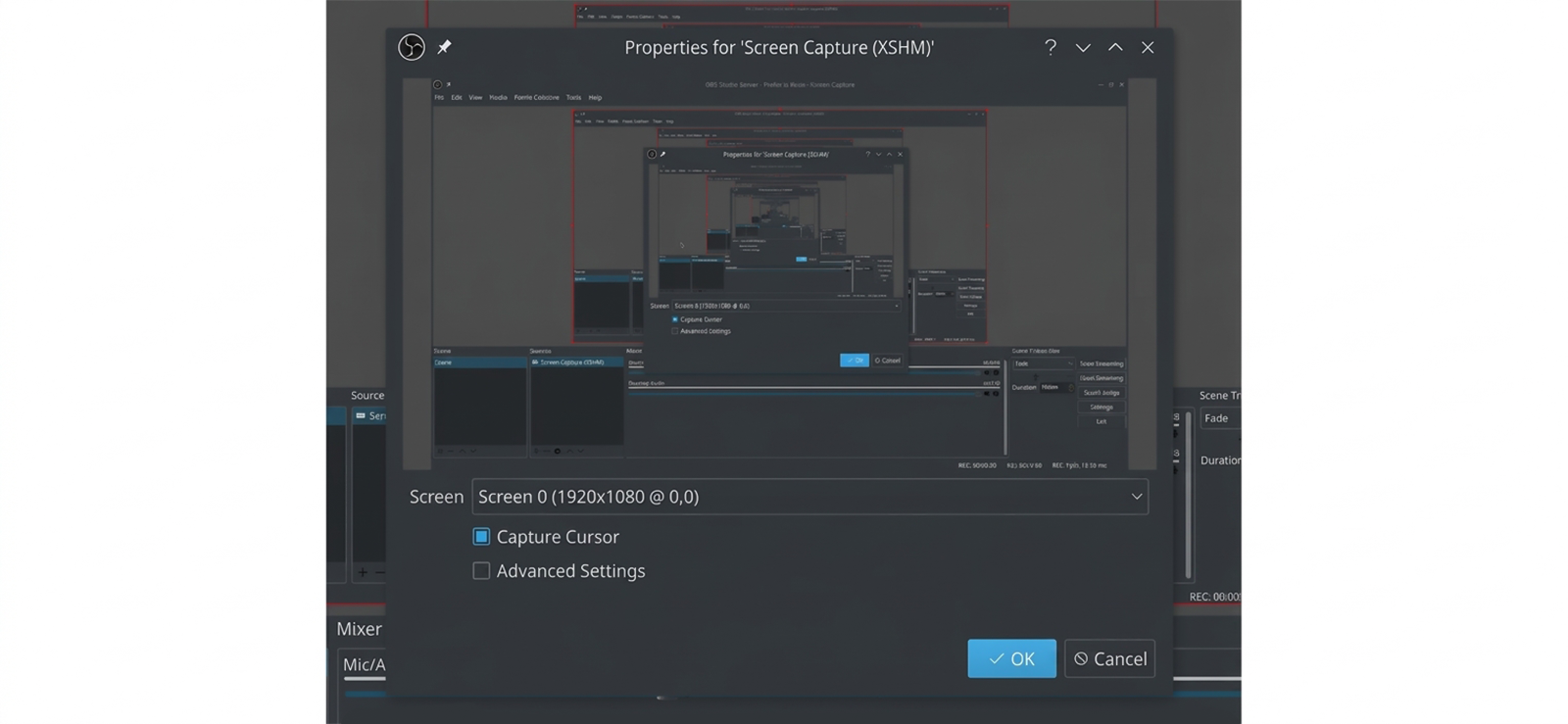
OBS Studio is a free, open-source recording and streaming tool for Windows and Mac. Since Instagram’s desktop site at instagram.com lets you view Stories from accounts you follow when you’re logged in, OBS can capture that browser window directly, no phone required.
To use OBS:
- Download and install OBS Studio (free) from obsproject.com.
- Open Instagram in your browser, log in, and find the Story you want to record.
- In OBS, click the “+” under Sources and select Window Capture (or Display Capture on Mac), then choose your browser window.
- Crop or resize the source so only the Story area is visible.
- Click Start Recording, then play the Story in your browser.
- Click Stop Recording. The file saves locally as an .mp4 or .mkv.
How Was My Experience?
Once OBS was installed, the recording itself was straightforward, and I got clean, full-resolution captures in 8 of 10 attempts. The two misses came down to me resizing the capture window mid-recording, which cropped part of the Story out of frame.
Instagram’s desktop Story player itself held up fine for recording purposes; Stories played through without stalling. The one adjustment worth making beforehand is resizing your browser window into a narrower, vertical shape, since a 9:16 Story sitting in the middle of a wide desktop screen otherwise leaves a lot of empty space around it in the recording.

Did You Know?
You can actually check deleted posts on Instagram without the other person knowing.

5. Browser-Based Screen Recorder
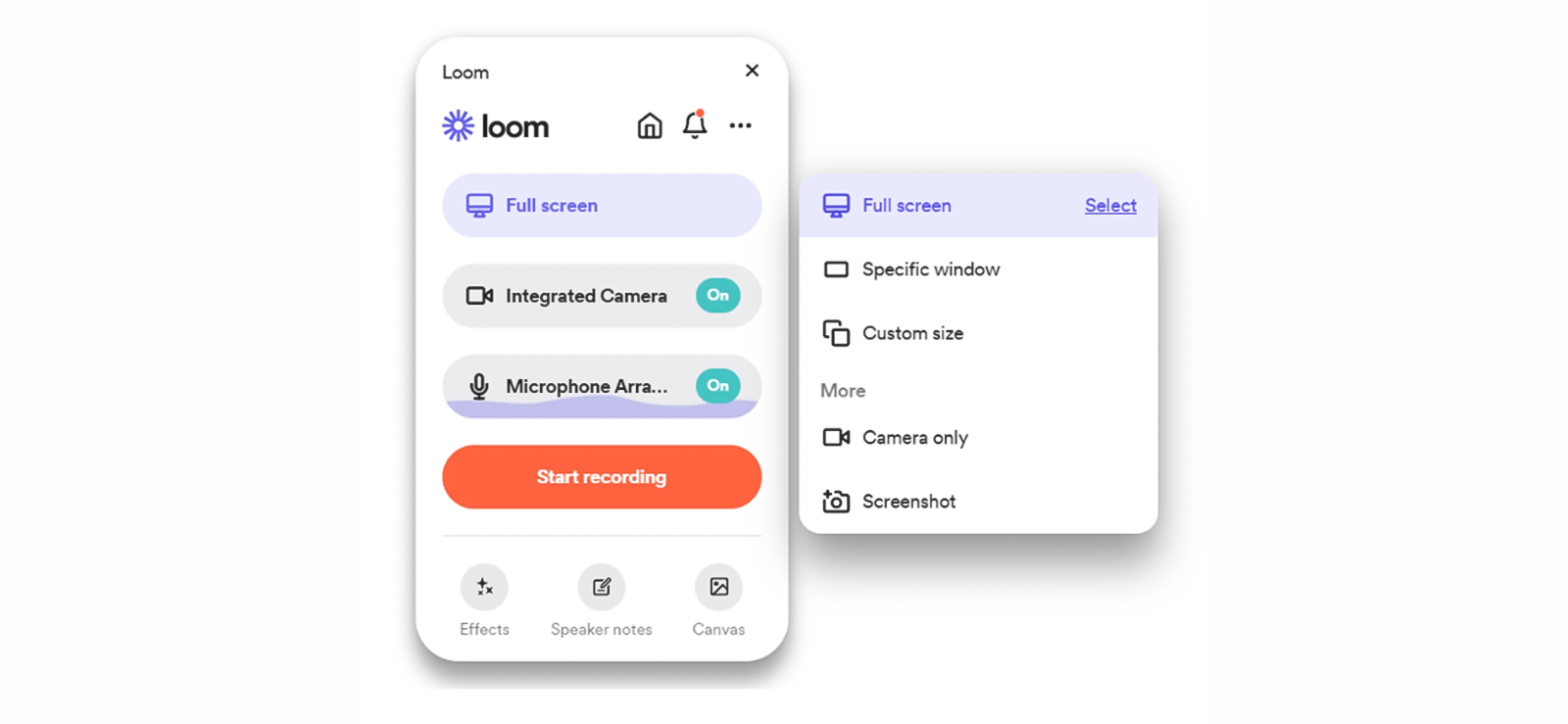
If you don’t want to install a full desktop app like OBS, browser extensions such as Loom, Screencastify, or Nimbus Screenshot & Screen Video Recorder can record a browser tab directly from Chrome or Edge.
For this method to work:
- Install a browser-based recorder extension from the Chrome or Edge Web Store.
- Log in to Instagram at instagram.com and open the Story.
- Click the extension icon and choose to record the current tab.
- Start recording, then play the Story.
- Stop the recording from the extension’s toolbar. The video either downloads automatically or uploads to the tool’s cloud storage, depending on the extension.
How Was My Experience?
I tried this with the Loom extension, and it was the quickest of all five methods to get running since there was no separate app to install. 7 of my 10 recordings were exactly what I expected; the other 3 got cut short because the free plan capped individual recordings at a few minutes, which is worth checking before you rely on this for a longer Story sequence.
Video quality is tied to your browser window size rather than your device’s native screen resolution, so on a smaller laptop display, the output looked noticeably softer than what the built-in recorder produced on my phone.
A Different Perspective: How Can Parents Screen Record Their Child’s Instagram Stories to Ensure Safe Posting
Sometimes the goal isn’t saving a friend’s Story before it disappears; it’s knowing what your child is posting to their own Story. The methods above only work if you happen to be watching in real time, which isn’t realistic for most parents juggling work and other kids.
Xnspy is a phone monitoring solution that can help parents review a child’s Instagram Story activity when it’s installed on a target device.
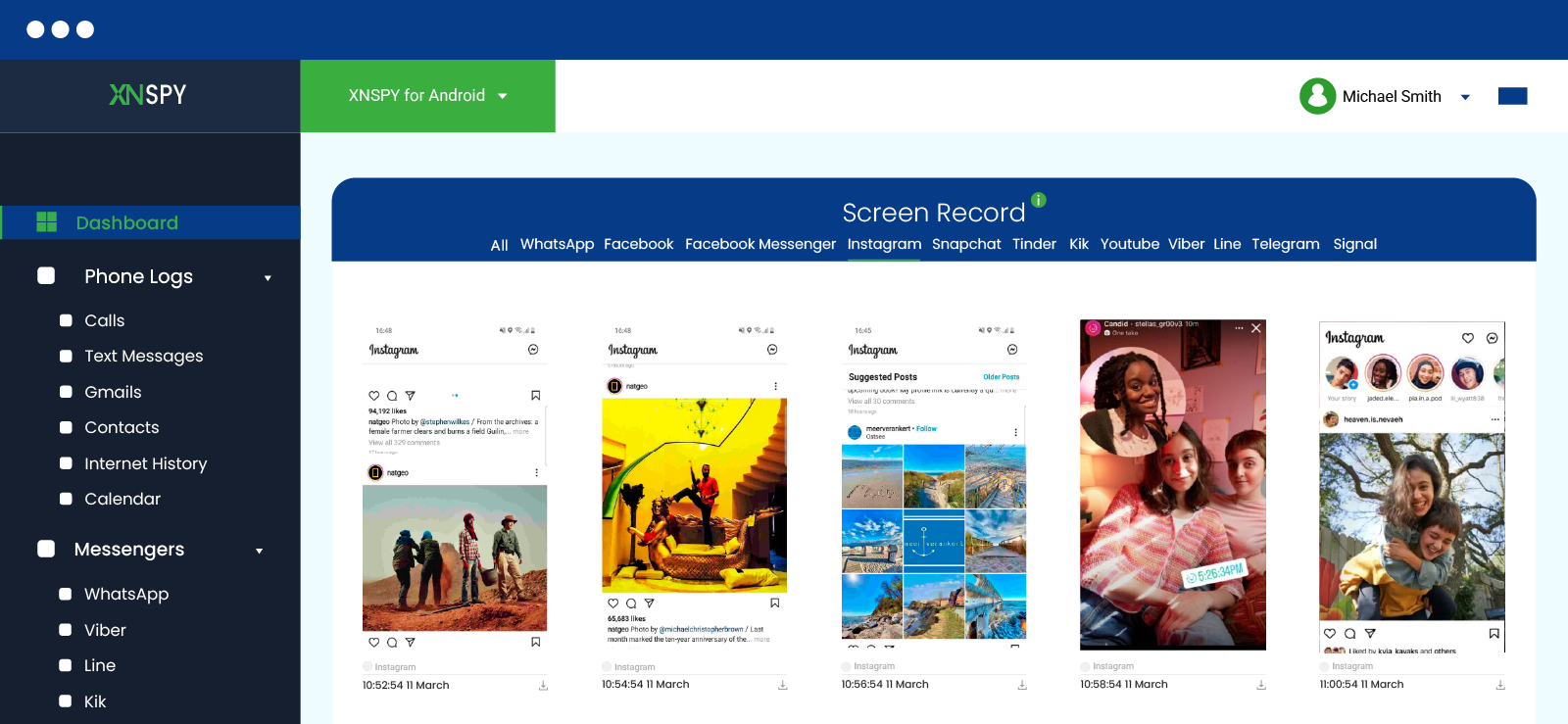
Xnspy’s screen recorder feature periodically captures screenshots of activity on the monitored device, including Instagram. These screenshots upload to a browser-based dashboard where parents can review them remotely, without needing to physically hold the child’s phone.
Because Xnspy organizes screenshots chronologically, parents can scroll back to the window of time when a Story was drafted or posted and see what was actually on the screen, including captions being typed out.
To use Xnspy:
- Purchase and install Xnspy on your child’s device according to the setup guide, where you have legal authority to do so.
- Log in to your Xnspy dashboard from any web browser.
- Open the Screen Recorder section.
- Review the screenshots from around the time you’re concerned about, including Instagram drafts, captions, and posted Stories.
How Was My Experience?
During testing, the screenshots came in at set intervals (approximately 5 seconds). This created a stream of captures that showed me what is being posted from the target device as well as what is being viewed from that end.
However, the fact that I had to install it on the target device by getting physical access was a bit inconvenient. However, I’d say that was a reasonable trade-off given the screen recording functionality and the context it brings with it.
FAQs
Can you screen record Instagram Stories on iPhone and Android the same way?
You can screen record Instagram Stories on both iPhone and Android, but the steps aren’t identical. On iPhone, open Control Center and tap the Screen Recording button. On Android, swipe down to open Quick Settings and start the recorder there. Some Android phones arrange the menu slightly differently depending on the manufacturer, but the idea is the same. Once you’re done, the video saves to your gallery so you can watch the Story anytime without the other person knowing.
If I screen record someone’s Instagram Story, will it also capture replies or reactions?
No. Replies and reactions to a Story are sent privately to the poster as a direct message; they’re never displayed on the Story itself for other viewers to see. Since a screen recording only captures what’s actually visible on your screen, and the Story surface never shows other people’s replies or reactions, there’s nothing to capture there regardless of timing. However, comments are publicly visible, so if they appear on the screen while you’re recording, you can capture them.
Does Instagram notify when you screen record a Story from a business or creator account?
No. Instagram does not notify anyone, whether it’s a business, creator, or personal account, when you screen record their Story. Instagram only sends a notification if you screenshot or screen record a disappearing photo or video sent via Direct Message. Regular Stories, including those from business or creator accounts, can be viewed and recorded without triggering any alert.
Does screen recording Instagram Stories work on private accounts?
Yes, but only if your follow request has already been accepted. You need to be able to view the Story first; otherwise, you won’t have access to record it. If your follow request isn’t accepted, or you want a more complete way to capture Stories from a private account you’re already authorized to monitor, Xnspy is the option built for that. It runs in the background on both iPhone and Android and gives you access to full Instagram activity, not just Stories.
Can screen recording Instagram Stories get your account banned?
No. Recording Instagram Stories will not get your account banned. Instagram has no rule against saving Stories with your device’s screen recorder, and the platform doesn’t track or limit this activity. As long as you can view the Story, you can capture it without risking any restrictions from Instagram.
Leave a reply:
Your email address will not be published. Required fields are marked*

Mike Everett
Member since October 20, 2014
Mike Everett
Member since October 20, 2014
Mike Everett is a consumer technology journalist with expertise in hands-on testing and evaluation of iOS and Android monitoring applications. With over 11 years in the industry, he focuses on how mobile monitoring tools perform in real-world conditions, including accuracy, feature reliability, device compatibility, and practical usability for parents.
He conducts live-device testing of monitoring apps to assess how well their features function beyond marketing claims. His work primarily includes comparative reviews, feature breakdowns, and buyer-focused guides designed to help parents understand which tools actually deliver usable results in everyday scenarios.