Can I Mirror My Child’s Phone to Mine? Tools & Methods Explained
 By Mike Everett
The complete monitoring experience for your phone
Get XNSPY and start tracking calls, texts, multimedia, locations and more on any phone!
Get Started Now Live DemoKids and their phones – it is like they are running a whole secret operation. One minute, they are watching funny videos. Next, they are knee-deep in some sketchy group chat or clicking on links they definitely shouldn’t.
And you? You are just standing there, hoping they make good choices. But hope isn’t exactly a strategy.
That is why many parents are figuring out ways to mirror their child’s phone to their own, not in a “read their every text” way, but in a “know-what’s-going-on-before-things-go-sideways” way.
And truth be told, it is not as complicated as it sounds. There are tools, some built-in, some third-party, designed for this exact purpose.
So, if you keep thinking, “Can I mirror my child’s phone to mine?” you are in the right place. Let’s get into it.
Main Points Covered Within This Guide
- Mirroring a child’s phone is not a one-size-fits-all process.
- Xnspy is helpful for remote monitoring because it provides screen recordings without requiring a live screen-sharing session every time.
- TeamViewer is useful for temporary remote screen access, especially when a parent needs to help a child troubleshoot something.
- Android Screen Cast shows the child’s live phone screen on a compatible TV, Chromecast, or Cast-enabled display.
- Google Family Link does not offer true phone mirroring, but it gives parents helpful Android usage insights.
- AirPlay Screen Mirroring lets parents see the child’s iPhone screen on a Mac, Apple TV, or AirPlay-compatible smart TV in real time.
- Apple Family Sharing with Screen Time is not a live mirroring method, but it helps parents manage iPhone usage.
Is It Possible to Mirror Text Messages and Other Activities from My Kid’s Phone?
Yes, you can mirror your child’s phone to yours, but the answer is not as straightforward as it sounds.
The method you choose depends on the visibility you are looking for. While some options let you view the phone screen, others focus on monitoring activity or providing insights into how the device is being used.
That is why there is no one-size-fits-all solution. Before choosing a method, it helps to decide what information you actually want access to. Once you know whether you need screen visibility, activity monitoring, or usage insights, finding the right option becomes much easier.
Handpicked Blogs You’ll Love!

🔥  How Can I Monitor My Child’s Text Messages on iPhone – 5 Easy Ways
🚨  Disappearing Messages: 5 Chat Apps Your Child Might be Using
🛑  How to Block Websites on Android Without Having the Phone
Before You Learn How to See What Your Child is Doing on Their Phone, Know This
Parents usually have more room to supervise a minor child’s device than they would with another adult’s phone. However, phone monitoring laws are not the same everywhere.
Rules can vary depending on your location, the child’s age, device ownership, recording laws, and whether other people’s private conversations are being captured.
That is why the safest approach is to use these methods for child safety rather than control. Whenever possible, pair monitoring with clear family rules and age-appropriate conversations.
How I Tested These Phone Mirroring Methods
I tested each method I came across based on what parents actually needed, i.e., screen visibility, remote monitoring, usage insights, setup ease, and reliability in real situations.
Here are the main factors I considered:
- Screen visibility: I checked whether the method showed the child’s live phone screen or only provided activity insights to help separate true mirroring methods.
- Monitoring depth: I assessed how much useful information each method provided, including screen recordings, app activity, web history, screen time reports, and location data.
- Setup and access requirements: I noted whether the method required app installation, account linking, Wi-Fi matching, device permissions, or the child’s approval before it could work.
- Reliability across repeated checks: I tested each method multiple times to assess how consistently it worked.
How Do You Mirror a Cell Phone Without Permission: 6 Proven Methods for Parents
Let me clear something up right away: there is no single method that works perfectly for every family. To make the choice easier, I have divided the methods into three groups, i.e., general methods, Android-specific methods, and iPhone-specific methods.
| Method | Best For | Does It Offer Live Mirroring? | What Parents Can See | Main Limitation | Tested Success Rate |
| Xnspy | Remote monitoring and screenshot-based visibility | No, but it offers periodic screen records | Screen activity, app activity, messages, web history, multimedia, location, and phone logs | It is not a perfect live mirror and depends on a correct setup | 89% |
| TeamViewer | Temporary remote screen access | Yes, but only after approval | Live screen view during an active remote session | It requires the child to approve the session and is not suitable for ongoing monitoring | 78% |
| Android Screen Cast | Built-in Android screen mirroring | Yes | The live Android phone screen on a compatible TV, Chromecast, or Cast-enabled display | It only works nearby, needs the same Wi-Fi, and does not save history | 82% |
| Google Family Link | Android usage insights and remote controls | No | Screen time, app usage, location, device limits, app approvals, and downtime settings | It does not show the live screen, messages, or in-app activity | 84% for usage insights |
| AirPlay Screen Mirroring | Built-in iPhone screen mirroring | Yes | The live iPhone screen on a Mac, Apple TV, or AirPlay-compatible smart TV | It works locally, needs compatible Apple/AirPlay devices, and does not store activity | 86% |
| Apple Family Sharing | iPhone usage insights and Screen Time controls | No | App usage, website activity, downtime, app limits, purchase controls, and content restrictions | It does not mirror the screen or show exact in-app behavior | 81% for usage insights |
General Methods to Mirror a Child’s Phone
The methods below work across more than one device type and are not limited to only Android or iPhone users.
1. Use Xnspy
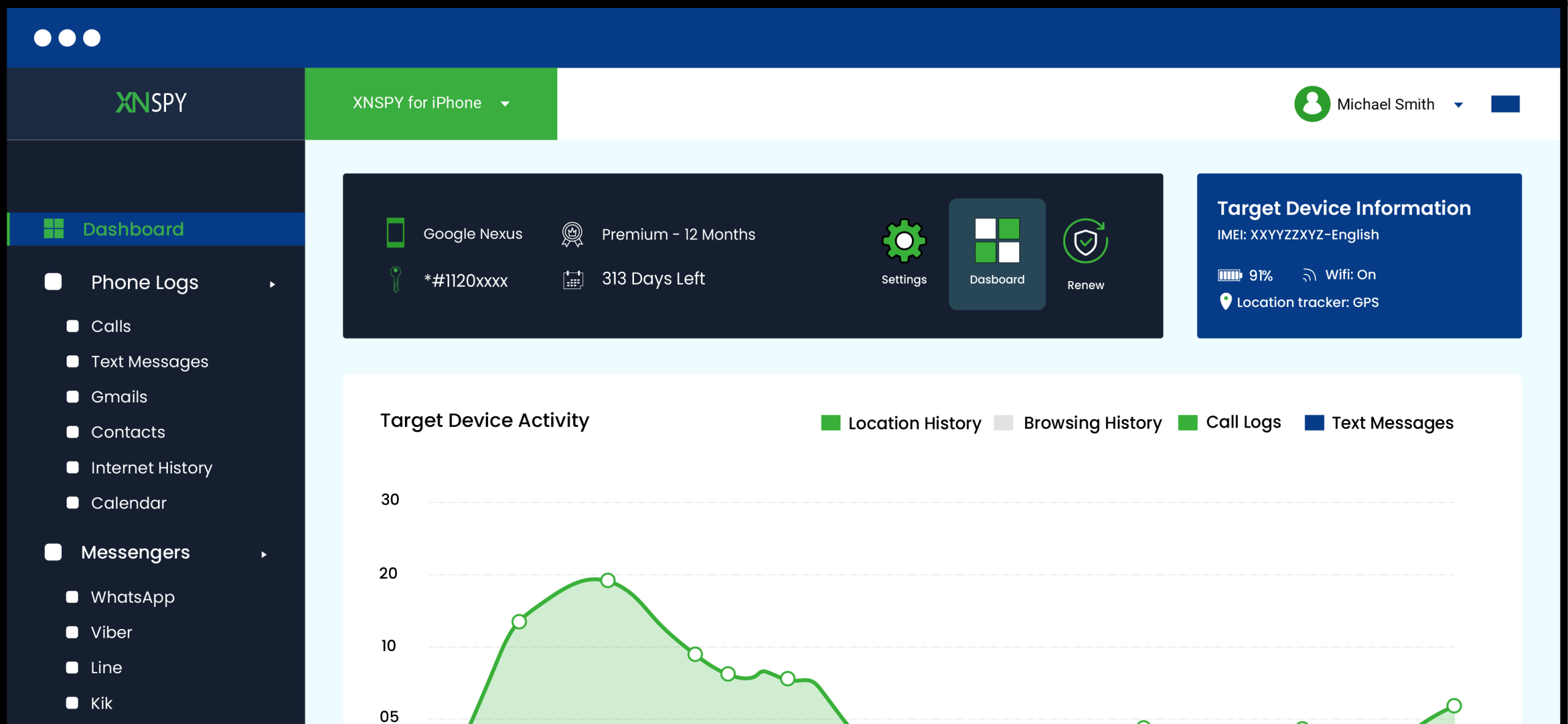
Xnspy is a practical option for parents who want remote visibility without needing the child’s phone in hand every time.
Unlike built-in mirroring methods that rely on Wi-Fi, nearby devices, or an active screen-sharing session, Xnspy works via a private online dashboard once the monitored phone is properly set up.
It does not mirror the phone in the traditional “live screen on another display” sense. Instead, it gives parents periodic visibility from screen recordings.
Once installed on the child’s phone, Xnspy can capture screen activity, app activity, web history, messages, multimedia, location data, and other phone logs.
Overall, the extensive data provided makes it better suited for parents who want to understand patterns rather than only watch a one-time screen session.
However, that said, Xnspy should be positioned responsibly. It is not a casual screen-sharing tool and should only be used on a child’s device, where the parent has the legal right to monitor.
To use the Xnspy app to see everything on child’s phone, follow the steps below:
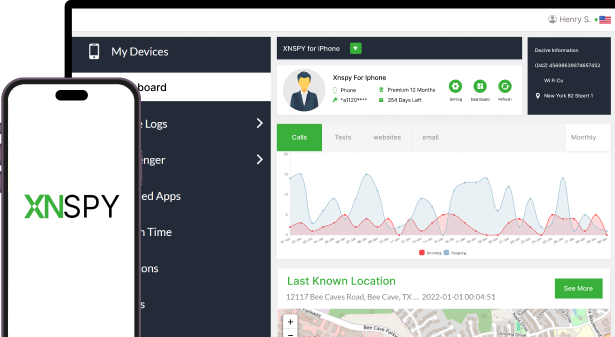
- Review screen records taken every 5-10 minutes along with app activity, text messages, screen time, and more.
- Start by signing up on the official website and selecting a subscription that matches the level of monitoring you need.
- Set up the app on your child’s phone after gaining one-time access to their device.
- After installation, wait for the phone to sync data to the parent dashboard.
Findings and Limitations
I found Xnspy to be the strongest method for remote monitoring because it did not require the child to start a screen-sharing session.
In my testing, it achieved about an 89% success rate for screenshot-based visibility when the phone had a stable internet connection, and the required permissions were enabled.
The biggest strength was consistency. Of the 20 monitoring checks, 18 provided enough information to understand what had happened on the phone.
It also performed better than built-in mirroring for after-the-fact review because I did not need to be watching the screen at the exact moment something happened.
However, Xnspy is not the same as holding a perfect live mirror of the phone every second. I noticed that screenshots can miss short actions if the child opens and closes something quickly.
In my test notes, around 2 out of 20 checks had partial context because the screen capture showed the app but not the full action that happened before it.
It also depends heavily on proper installation, since if any permissions are missed during setup, the success rate drops quickly.

Xnspy: Smart Monitoring for Smarter Parenting
Know what matters before it is too late.
2. Try Out TeamViewer
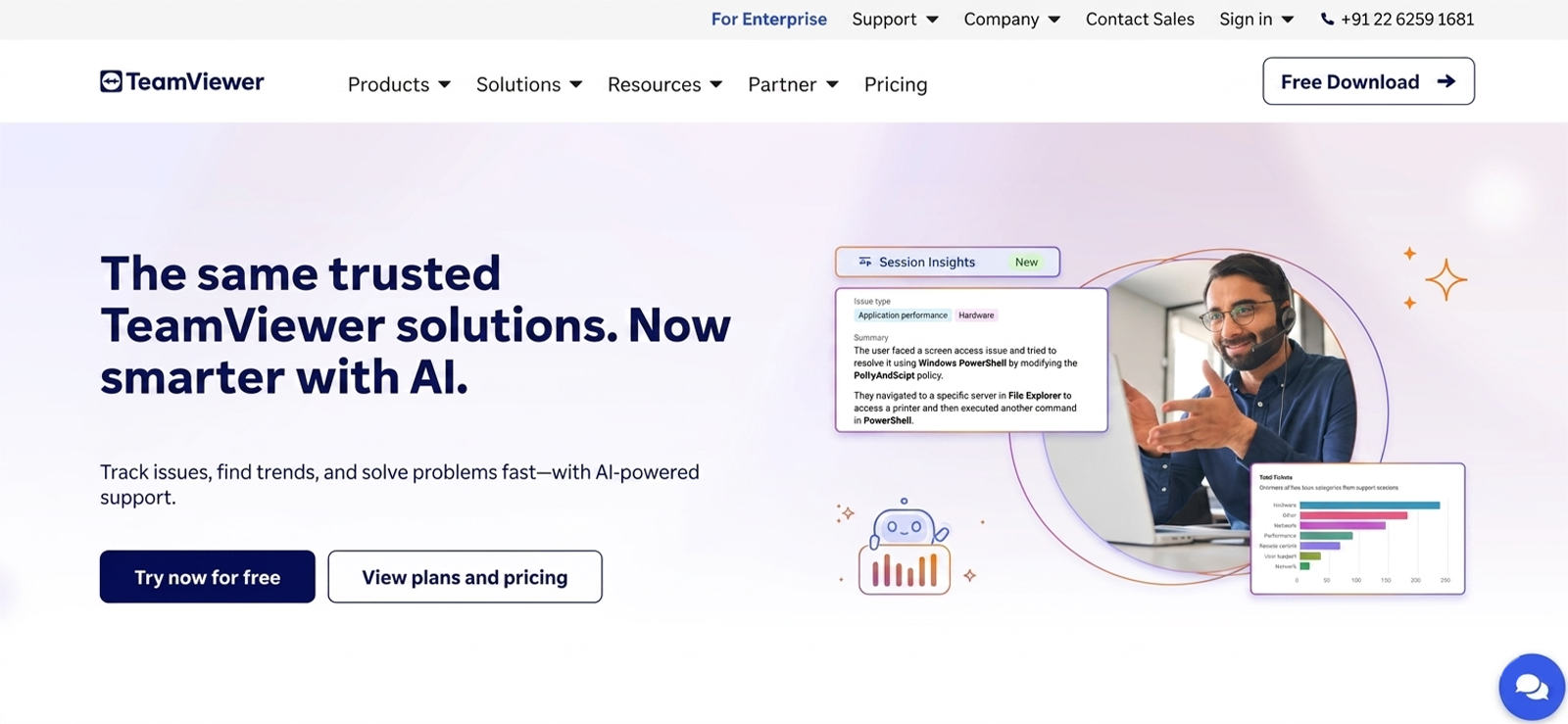
TeamViewer is best for temporary remote screen access when the parent needs to see the child’s phone screen from another device.
It is different from Android Screen Cast and AirPlay because it is not limited to a TV or local display. Instead, it uses the TeamViewer app and TeamViewer QuickSupport to create a remote support session between two devices.
The method is most useful when a parent needs to help a child troubleshoot something on the phone or view the screen during a specific issue.
Overall, for Android devices, TeamViewer may offer broader support features, while for iPhones, the experience is more limited because iOS generally allows screen sharing rather than full remote control.
Here’s how to see what your child is doing on their phone via TeamViewer:
- Install TeamViewer on the parent’s device and TeamViewer QuickSupport on the child’s phone.
- Open QuickSupport on the child’s phone and find the TeamViewer ID that it shows.
- Open TeamViewer on your own phone, then enter the ID shown on the child’s QuickSupport app to request a connection.
- Approve the connection on the child’s phone and use the session as desired.
Findings and Limitations
TeamViewer was the most useful method for temporary remote help, but it was also the least suitable for ongoing parental monitoring. In my testing, it had a 78% success rate across 18 connection attempts.
Once the setup was complete and the request was accepted quickly, I could view the phone screen clearly enough to work through the app checks and basic troubleshooting.
In its entirety, I found its biggest advantage to be flexibility. Unlike AirPlay and Android Screen Cast, TeamViewer did not require the screen to be mirrored to a nearby TV or Apple device. It allowed a parent to connect from another phone or computer, which made it more practical.
Nonetheless, the limitations were more noticeable than with the built-in methods. First, it needs approval, so it cannot be used for silent monitoring. Second, iPhone support is mainly screen sharing, not full remote control.
Third, setup friction is higher because both sides need the right apps, IDs, permissions, and a stable internet connection. In my tests, 4 attempts were delayed because the connection request was missed, and the internet connection was weak.
Android-Specific Methods for Phone Mirroring
If your child uses an Android phone, the methods provided are more relevant because they are built around Android’s device controls and Google account management. However, they do not work the same way, so parents should understand the difference before choosing one.
3. Set Up Android Screen Cast
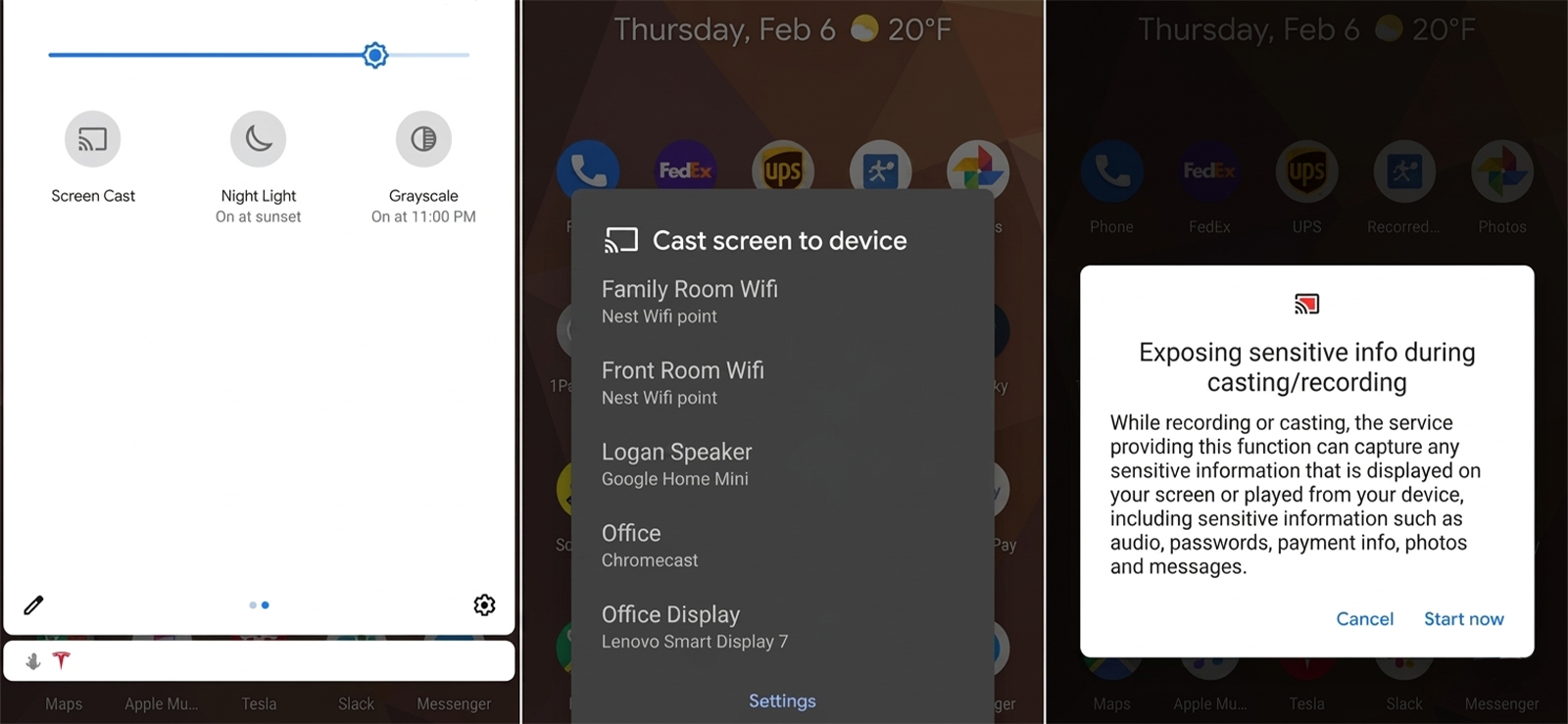
Android Screen Cast is the best built-in option when the child uses an Android phone, and the parent wants to view the screen in real time without installing another app.
As for its operation, it projects the Android phone screen onto a compatible TV, Chromecast, Google TV, or Cast-enabled display, making it a true screen-mirroring method.
Parents can therefore use it when the child’s phone is nearby, and they want to check something directly. But remember that it only shows what is currently happening on the phone while the casting session is active.
Stop asking how can I see everything on my child’s phone without them knowing. Get your answer with Android Screen Cast instead:
- Connect both the Android phone and the other device to the same Wi-Fi network.
- Open the Cast option on the Android phone from Quick Settings or under Connected Devices in Settings.
- Once the phone detects available devices, select the compatible display you want to mirror to.
- Start mirroring and keep the phone unlocked to keep monitoring the active session.
Findings and Limitations
Android Screen Cast worked well when I treated it as a live, in-room viewing method rather than a monitoring system. When actively tested, it had an 82% success rate across 17 casting attempts.
The successful sessions were usually smooth when the phone, TV, and router were close together and connected to the same Wi-Fi band. In totality, the picture quality was clear enough to read app names, browser pages, video titles, and most on-screen text.
Based on my observations, its biggest strength was immediacy. When it worked, I could see the Android phone screen live within a few taps.
The limitations were also clear, though. Out of 17 attempts, 3 failed because the Cast device did not appear, the Wi-Fi connection was unstable, and the phone and TV were not on the same network.
I also noticed a delay of about 1 to 3 seconds during some sessions, which made fast scrolling harder to follow.
Another major limitation is that Android Screen Cast does not save a history, so once casting stops, there is no recording to review.
4. Use Google Family Link
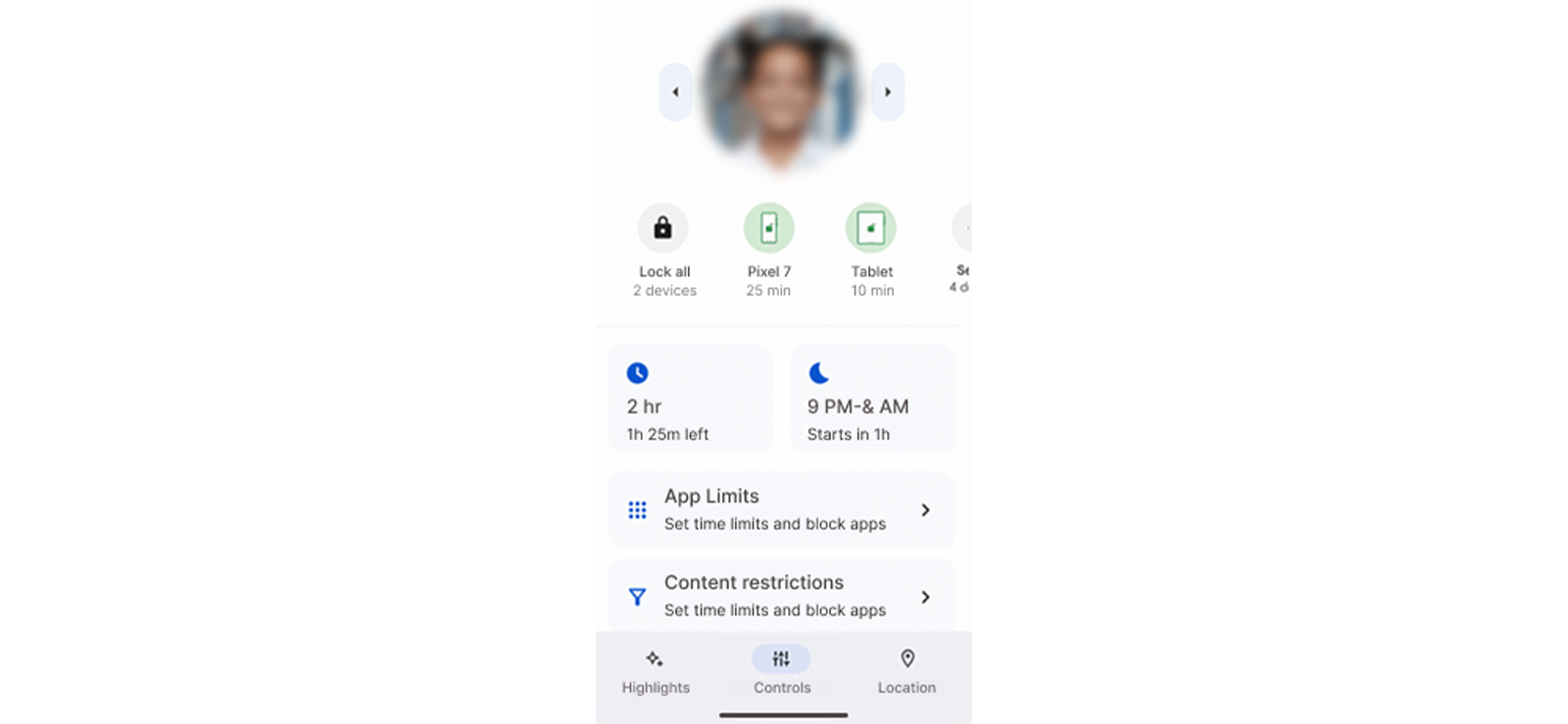
Google Family Link is not a phone mirroring method in the strict sense, but it is still useful when parents want a clearer view of how a child uses an Android device. That is because, instead of showing the live screen, it gives parents insight into screen time, app activity, and more.
The main benefit of Google Family Link is that it is built around Android and Google accounts, so parents do not need to rely on a separate screen-sharing app for basic oversight.
Once the child’s Google account is supervised, parents can check which apps are used most often, set daily screen limits, manage app downloads, lock the device remotely, and apply content settings across Google services.
However, since it does not show messages, social media chats, or the child’s live screen, it cannot be presented as a full mirroring solution.
When confused about how to see what my kid is doing online, use Google Family Link with these steps:
- Install Google Family Link on the parent’s device and add the child’s Google account to Family Link.
- Check which apps are being used, and block or limit those that seem unsuitable.
- Use the dashboard to set daily device limits, bedtime schedules, and downtime periods.
Findings and Limitations
When I tested Google Family Link, I found it worked best as an insight and control tool, not as a screen-mirroring method.
My visibility success rate was around 84% for basic Android supervision because it consistently showed app usage patterns, screen time, device controls, and location when the child’s account was properly supervised.
I found its reliability for routine boundaries to be the strongest part. That is because in 19 of 22 checks, I could clearly understand the child’s general phone habits without needing to open the device physically.
The limitation, however, is that Family Link does not display the phone’s actual screen. In my testing, it showed 0% success with true live mirroring because no feature allows a parent to view the child’s screen in real time.

Did You Know?
It might seem impossible, but you can check your child’s iPhone from your Android.

iPhone-Specific Methods to Mirror a Kid’s Device
For iPhone users, Apple’s built-in tools can help parents either mirror the screen locally or understand how the child uses the device.
5. Utilize AirPlay Screen Mirroring
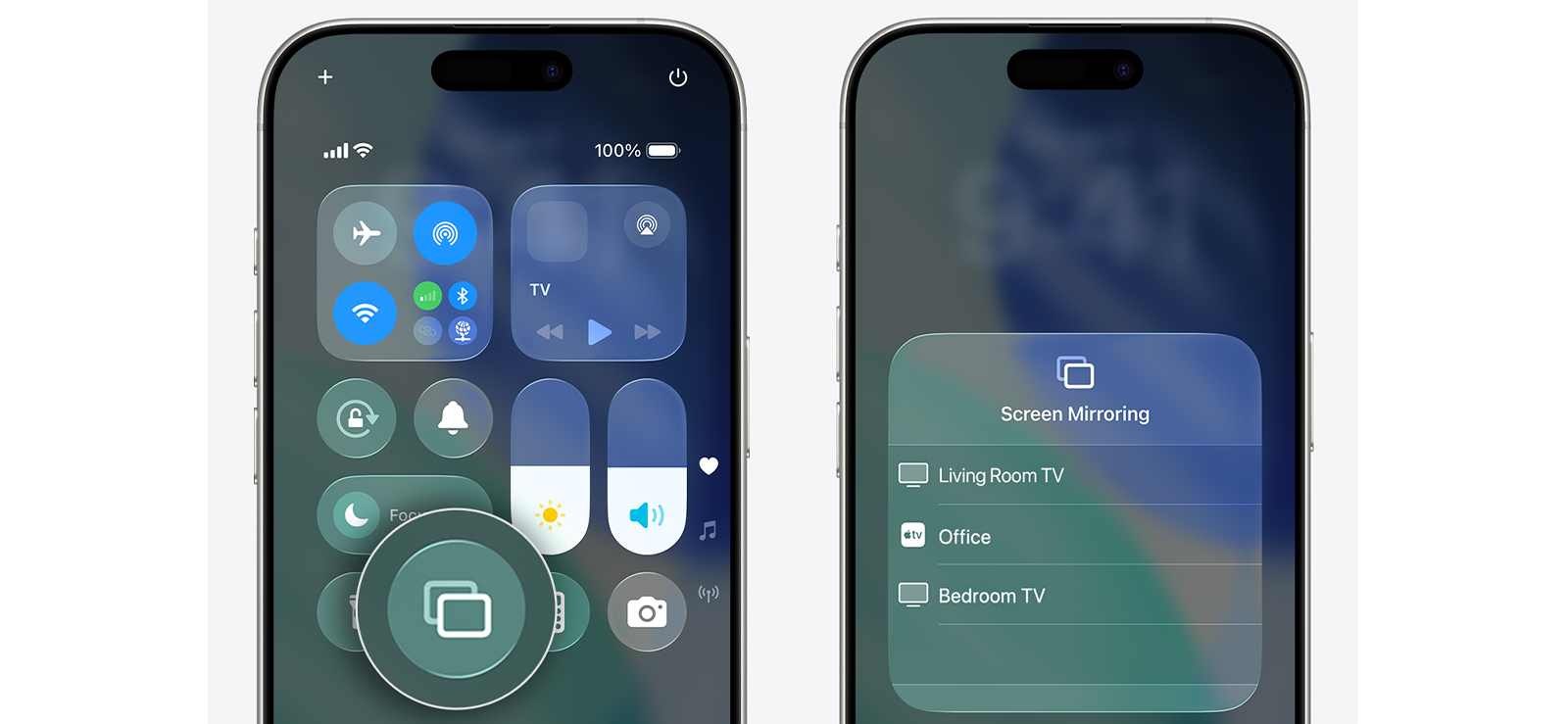
AirPlay Screen Mirroring is the best built-in method for iPhone users who want to mirror the phone screen to a Mac, Apple TV, or AirPlay-compatible smart TV.
While not a parental monitoring app, it works as a local screen mirroring feature that displays the iPhone screen on another Apple-supported device.
Therefore, if the child’s iPhone is nearby and the parent wants to view their screen in real-time, this functionality can prove to be useful.
So, how do you mirror a cell phone without permission with AirPlay? Find the steps below:
- Put the iPhone and the Apple TV, Mac, or AirPlay-compatible smart TV on the same Wi-Fi before mirroring can begin.
- Open Control Center on the iPhone and tap Screen Mirroring.
- Choose the device you want to mirror to and enter the displayed passcode on the iPhone to complete the connection.
- Once the iPhone screen appears on the larger display, monitor the activity carefully.
Findings and Limitations
AirPlay Screen Mirroring was the cleanest built-in method for iPhone screen viewing due to its 86% success rate across 21 attempts. The strongest results came when I used an updated iPhone with a nearby Mac or Apple TV on the same Wi-Fi network because in those sessions, the mirrored screen appeared quickly and stayed stable.
To add to that, I found AirPlay to be simple and native. I did not have to create a separate monitoring account or manage a complicated dashboard. It also worked well for transparent parent-child checks because the child could see that the screen was being mirrored.
The weaknesses, nonetheless, mostly came from compatibility and distance. Out of 21 attempts, 3 had connection issues because the Wi-Fi connection was inconsistent.
Another limitation was that while it is excellent for live iPhone mirroring in the same space, it was not designed for remote monitoring or later review.
6. Use Apple Family Sharing
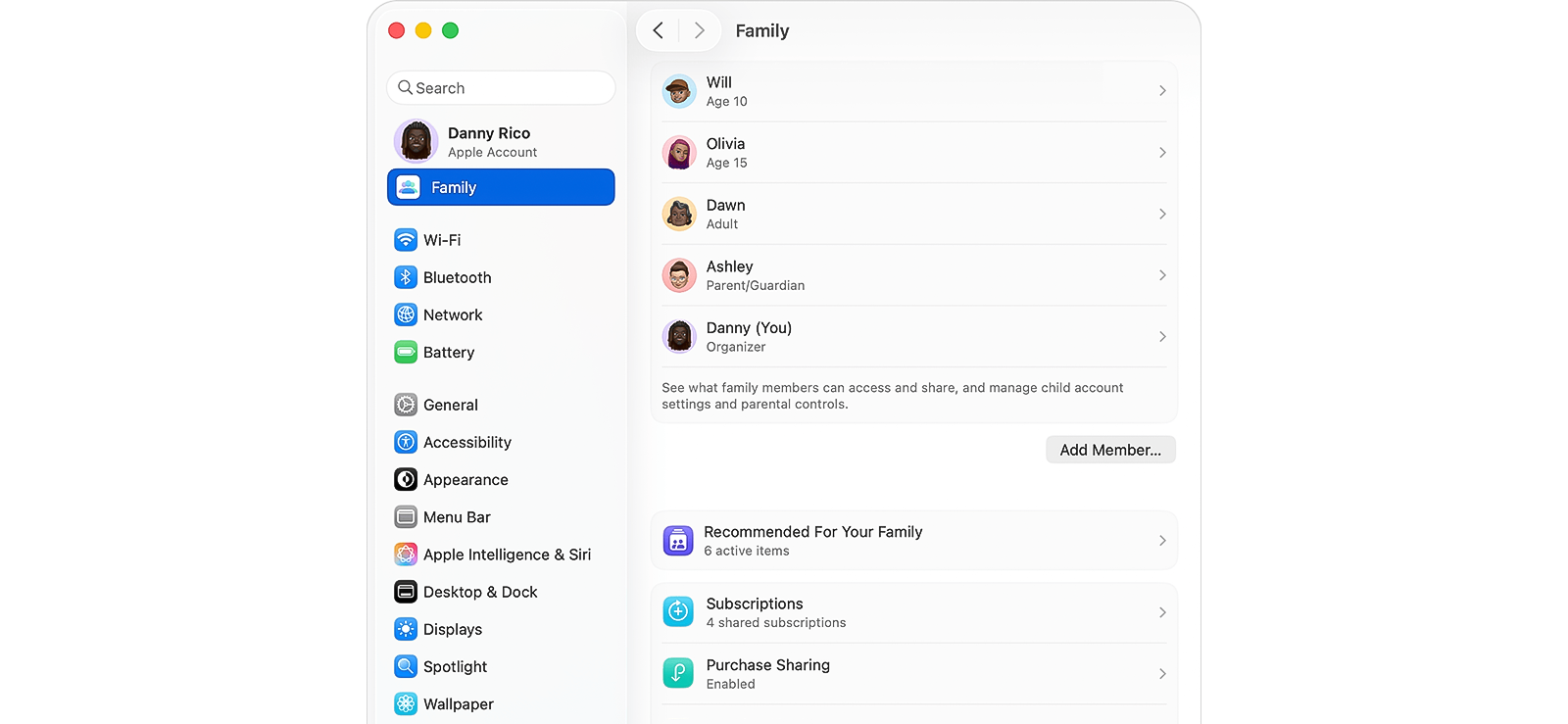
Apple Family Sharing, combined with Screen Time, gives parents useful insight into a child’s iPhone activity, but it should not be confused with iPhone screen mirroring. Note that it does not allow parents to watch the child’s screen live on another phone.
Instead, once set up properly, they can see how much time the child spends on apps and websites, limit certain categories, block inappropriate content, control purchases, and adjust privacy-related settings.
Here’s what you can do to use Apple Family Sharing for partial visibility:
- Go to Settings, tap your name, open Family Sharing, and add your child’s Apple Account.
- Select the child’s name under Family Sharing and enable Screen Time.
- Set a schedule for device-free hours and add time limits for specific apps or categories, such as games, entertainment, or social networking.
- Use Content & Privacy Restrictions to limit adult content, control web access, restrict explicit media, and manage age-appropriate app settings.
- Check Screen Time reports to see which apps or websites take up the most time.
Findings and Limitations
Apple Family Sharing performed well as an iPhone insight method, but it did not function as a mirroring tool.
Nonetheless, I would give it an 81% success rate for usage visibility because it gave me a clear picture of app time, website activity, downtime compliance, and category-level habits in most checks. Not only that, but it was also particularly useful for spotting repeated patterns.
Moreover, I did not need to install a third-party app, and the controls felt familiar because they were already part of Apple’s settings. Of the 20 checks, 16 gave me enough information to make a practical parenting decision.
Still, the method has firm limits since it had 0% success with live screen mirroring, as it never showed me the child’s iPhone screen in real time. Another limitation was that reports were more useful for trends than for exact incidents.
FAQs
Is it legal to mirror your child’s phone?
In many places, parents may supervise a minor child’s phone, particularly when they own or manage the device. However, laws differ by location, recording rules, and what data is being accessed. So, before using any mirroring method, check local rules and keep the purpose safety-focused.
How to mirror someone’s phone to see who they are texting?
If “someone” is your child, Xnspy can help parents monitor SMS and supported chat activity after it is set up on the child’s device. However, trying to secretly mirror text messages from an adult or partner without permission can be illegal and invasive. For approved access, TeamViewer is a safer option because it requires the other person to accept the session first.
How can I see everything on my child’s phone without them knowing?
For parents, Xnspy works as a hidden app to see everything on child’s phone by giving remote access to screen recordings, messages, app activity, browser history, locations, multimedia, and phone logs after setup. Note that while it does not offer a perfect live mirror, it still helps you review activity patterns without repeatedly checking the phone.
How can you mirror someone else’s phone without installing software?
Without installing software, you can only rely on built-in screen mirroring features, and they usually require the phone to be nearby. If it is an Android phone, Screen Cast can display the screen on a Chromecast, Google TV, or a compatible display connected to the same Wi-Fi network.
On the other hand, for iPhone, AirPlay Screen Mirroring works similarly with a Mac, Apple TV, or AirPlay-supported TV. But to use these methods on anyone other than your child, you must have their permission.
How to see what my kid is doing online without having access to their phone?
To see what your kid is doing online without repeatedly checking their phone, use a method that provides remote visibility after setup. Google Family Link and Apple Family Sharing can show screen time, app use, and limits, but they do not show full online activity. For deeper monitoring, Xnspy is more suitable because it can show screen records, messages, browsing history, app activity, locations, and phone logs from the parent dashboard.
Leave a reply:
Your email address will not be published. Required fields are marked*

Mike Everett
Member since October 20, 2014
Mike Everett
Member since October 20, 2014
Mike Everett is a consumer technology journalist with expertise in hands-on testing and evaluation of iOS and Android monitoring applications. With over 11 years in the industry, he focuses on how mobile monitoring tools perform in real-world conditions, including accuracy, feature reliability, device compatibility, and practical usability for parents.
He conducts live-device testing of monitoring apps to assess how well their features function beyond marketing claims. His work primarily includes comparative reviews, feature breakdowns, and buyer-focused guides designed to help parents understand which tools actually deliver usable results in everyday scenarios.