The complete monitoring experience for your phone
Get XNSPY and start tracking calls, texts, multimedia, locations and more on any phone!
Get Started Now Live DemoYouTube is practically the digital playground for kids these days. But just because it is popular doesn’t mean it is all fun and games. One minute, your kid is watching a harmless cartoon, and the next, they have stumbled onto content that is way beyond their age. In situations like these, it is natural for parents to try to find out how to block videos on YouTube app.
Algorithms aren’t perfect, and that is why taking control is a must. You don’t have to sit over their shoulder 24/7, but you can put some solid barriers in place. Today, I’ll walk you through some proven methods that I have tested myself for YouTube content moderation and blocking.
Before You Scroll: The Short Version
- How effectively YouTube content is blocked on your child’s device depends on which method you use, whether it is locked behind a parent account or passcode, and whether your child knows how to reverse it.
- No single native method blocks everything. YouTube’s own tools are filters, not walls. The most reliable approach layers at least two methods together.
- Xnspy: Monitors all YouTube activity in real time and logs it to a remote dashboard, with the option to block the app entirely from the same interface, without touching the child’s device after setup.
- Restricted Mode: YouTube’s built-in content filter screens out mature videos based on titles, descriptions, and language.
- YouTube Kids: A separate app designed specifically for younger children with stronger filters and manual content review.
- Disable Autoplay: Interrupts the recommendation chain that leads children from appropriate content into progressively mature territory.
- Block Specific Channels: Permanently removes identified channels from recommendations and search results, but does not block the content category those channels represent.
How I Ran Tests to Know Which Methods Work the Best?
The question I was trying to answer during testing was not whether these methods work under ideal conditions. YouTube’s own support pages can tell you that. What I wanted to know was whether they hold up when a child is actively using the platform, whether the restrictions survive across both iOS and Android, and whether a determined child can undo them without a parent ever knowing.
I ran all tests across two live devices: an iPhone and a Samsung Galaxy. Before testing each method, I set up a standard child profile on YouTube without any restrictions in place, then applied each method one at a time and attempted to access mature content through search, recommendations, and direct channel visits. Each method was tested at least 4 times across both devices. To arrive at the final list, I applied the following criteria:
- Actual content blocking effectiveness: I only included methods that produced a meaningful reduction in accessible mature content during testing.
- Resistance to child bypass: Every method was tested specifically for how easily a child could reverse it without the parent’s credentials. If a restriction could be undone without a passcode, that is noted in the results section for that method.
- Consistency across iOS and Android: Methods that performed significantly differently between the two test devices are flagged, because, let’s face it, a solution that works on your child’s iPhone but not their Android tablet is only half a solution.
Why It is Important to Know How to Block YouTube Videos That Are Inappropriate for My Kids?
Parents must learn how to block inappropriate videos on YouTube because children are naturally curious, and YouTube isn’t always a safe space for them. Exposure to mature themes, explicit language, or disturbing visuals can negatively affect their emotional and mental development. Even seemingly harmless videos can lead to inappropriate recommendations and create a cycle of exposure to content that isn’t meant for young viewers.
Beyond emotional distress, constant exposure to such content can shape unhealthy perceptions, trigger anxiety, or encourage risky online behavior. That is why you should actively manage what they watch to create a safer digital space where they can explore, learn, and enjoy without stumbling onto harmful material.
Up next, we will explore the best ways to restrict inappropriate YouTube content and keep your child’s screen time safe and worry-free.
Don’t Miss These Blogs!

🚨 How to Block Websites on Android Without Having the Phone
💭 How to See Deleted Safari History on iPhone Without Them Knowing
⏱️ Can I Mirror My Child’s Phone to Mine? Tools & Methods Explained
🥇 How to Block Websites on iPhone Without Having the Device
How to Block Adult Content on YouTube for My Child: 5 Proven Methods
With 49% of teens reporting YouTube as a highly addictive platform, you need some highly effective methods to restrict inappropriate content on the platform. Here, we have compiled 5 methods on how to block content on YouTube without them knowing. Let’s discuss them in detail.
| Method | Works On | Requires Device Access | Chance of Bypass | Effectiveness |
| Xnspy | iOS and Android | Yes (for initial setup) | No | ~90% |
| Restricted Mode | iOS and Android | Yes | Yes | ~65% |
| YouTube Kids | iOS and Android | Yes (for initial setup) | No | ~80% |
| Disable Autoplay | iOS and Android | Yes | Yes | ~40% |
| Block Specific Channels | iOS and Android | Yes (per channel) | Yes | ~35% |
1. Use the Xnspy Parenting App
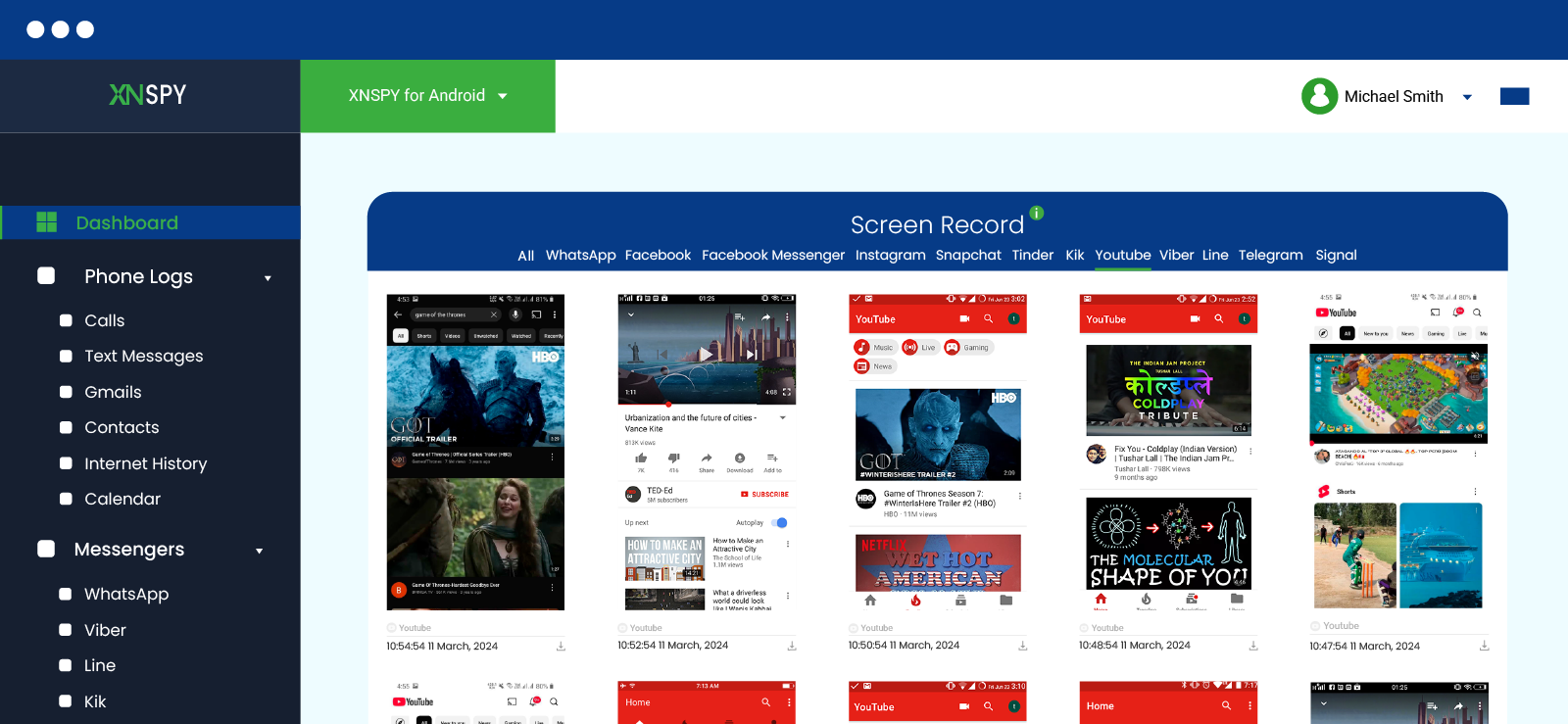
Xnspy phone monitoring app gives you complete access to your child’s YouTube remotely and discreetly. Instead of just blocking YouTube content, it offers a better way to stay ahead. It helps you understand what your child is watching and why. Rather than a blanket ban, you get real insight into their interests and online behavior.
With Xnspy’s keyword alerts, you are notified the moment specific content is accessed, allowing for smarter, situational intervention. You will know exactly when to step in and have a conversation rather than blindly restricting access. Plus, detailed logs help you see patterns over time, so you can guide your child toward healthier digital habits.
And if things still get out of hand? Xnspy gives you the option to block the entire YouTube app – something kids can’t easily bypass like simple content filters. It is a 360° solution that goes beyond blocking inappropriate content on YouTube, ensuring overall online safety.
Here’s how to block content on YouTube of the other person using Xnspy:
- Subscribe to an Xnspy payment plan that suits your needs.
- Install the app on the target phone and give the requested permission.
- Use the credentials provided in the email to log into your account.
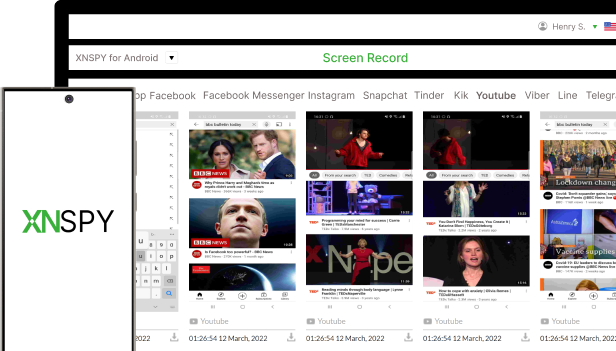
- Go to screen recorder or keylogger to monitor their YouTube activity.
- Click “Installed apps” and block/unblock YouTube with a click.
How Did the Testing Go?
It was the only method that worked the same way on both the iOS and Android test devices without any configuration differences between them. I monitored YouTube activity across both devices over a 5-day testing window. Every video accessed, every search term entered, and every channel visited appeared in the Xnspy dashboard with accurate timestamps.
When I used the app block feature to disable YouTube entirely, the app became non-functional on both devices within approximately 50 seconds to 1 minute of the command being sent. After blocking, every time I tried opening the app, a message popped up prompting me to contact the guardian.
The keyword alert feature was particularly useful during testing. I set alerts for a handful of search terms a parent might be concerned about, and Xnspy flagged each one in real time without any delay. That is a capability none of the other methods on this list come close to matching.
The only condition that limits this method is that it needs to be installed before the activity occurs. Moreover, it does not retrieve historical YouTube data from before installation. Additionally, you cannot block selected content; you’ll have to block the whole app.

Control YouTube, Protect Your Kids
Get full access to their YouTube history with one click.
2. Turn on Restricted Mode
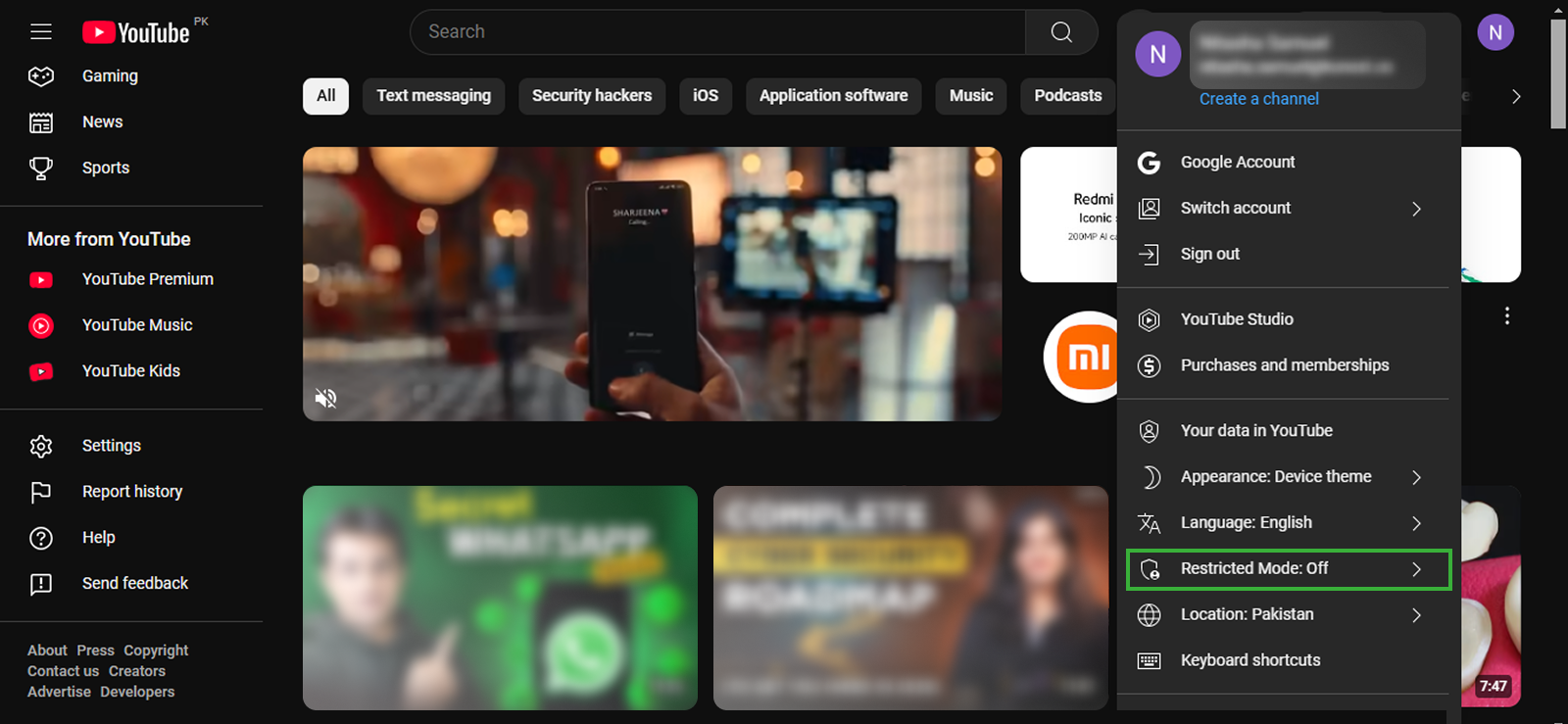
One of the easiest ways to manage what your child sees on YouTube is by enabling Restricted Mode. It helps filter out mature content by scanning video titles, descriptions, and language. Parents can choose between a strict or moderate level of filtering, depending on how much control they want.
While this feature is helpful, it is not a foolproof solution. Some explicit videos can still slip through, so if you are looking for how to block YouTube videos that are age-inappropriate more effectively, you may need additional tools. But still, Restricted Mode can be used as an extra layer of safety:
Let’s see how you can activate it:
- Log into your kid’s YouTube account and open the homepage.
- Tap their profile icon in the top-right corner.
- Scroll down and find “Restricted Mode” in the settings.
- Toggle it on to filter out inappropriate content.
How Did the Testing Go?
Partially, and inconsistently enough that I would not rely on it as a primary safeguard. On the iOS test device, Restricted Mode filtered out the majority of explicitly flagged content cleanly. On the Android test device, the filtering was noticeably less consistent, with several music videos containing mature themes passing through without being flagged.
The more significant finding was how easily the restriction could be turned off. On both devices, Restricted Mode is a toggle inside the YouTube app settings that any child who knows where to look can disable in under 30 seconds. Without locking it behind a Google account password that only the parent knows, it functions as a suggestion rather than a restriction. During testing, I disabled it on both devices without any passcode prompt at all, because the test account had not been configured with account-level locking.
When Restricted Mode was locked at the account level through Google Family Link, the results improved considerably, and the toggle was greyed out on both devices. That configuration step is what separates a functional restriction from an easily dismissed one.
3. Switch to YouTube Kids
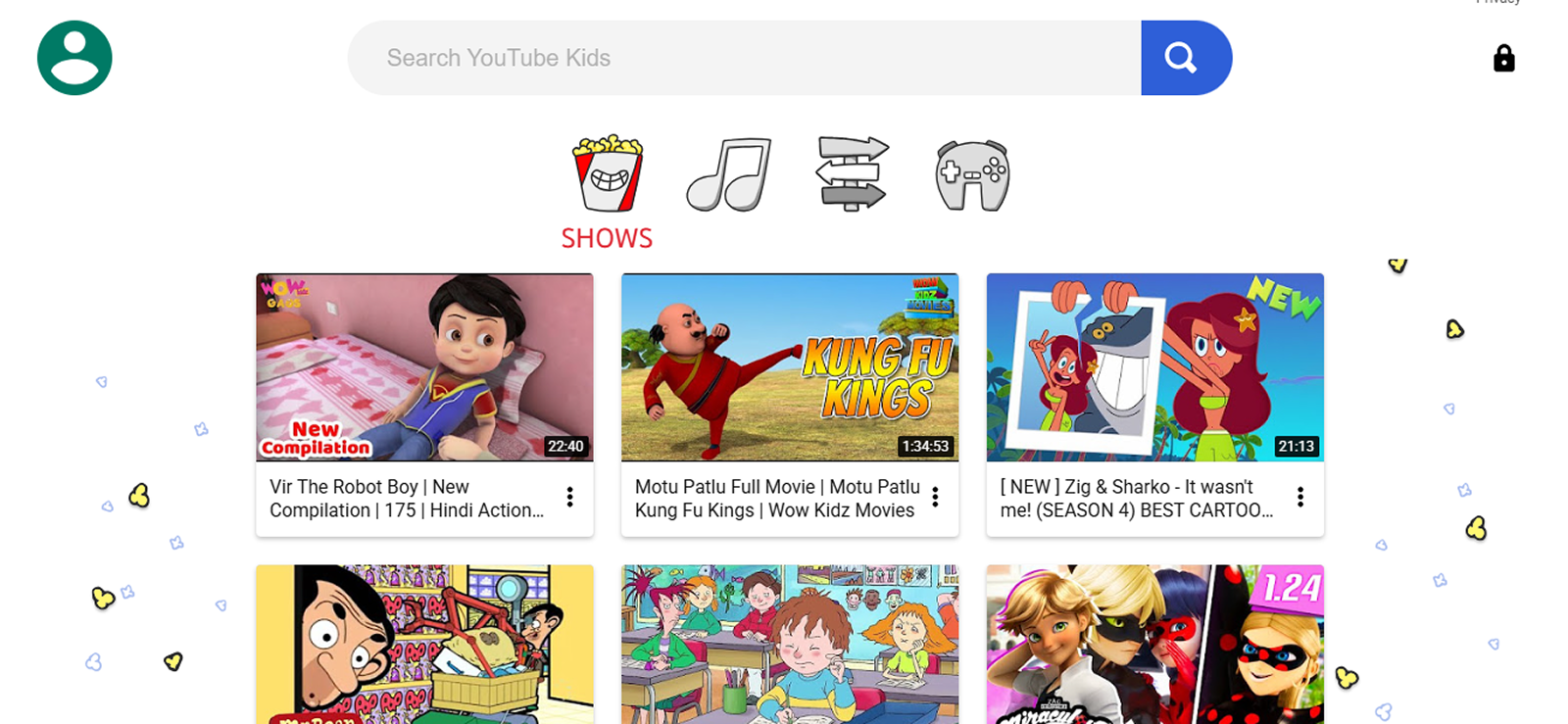
If you want a safer alternative to restrict inappropriate YouTube content, YouTube Kids is a better option than just using Restricted Mode. It is designed specifically for younger children, offering stronger filters and stricter content moderation to keep adult content out.
Unlike regular YouTube, flagged videos on YouTube Kids are manually reviewed by the YouTube team, ensuring only child-friendly content makes it through. That means your child won’t randomly stumble upon inappropriate videos.
That said, no system is perfect. Some cartoons with mature themes can still slip through due to algorithm errors. If you’re looking for how to block inappropriate content on YouTube app on another person’s phone, switching to YouTube Kids is a great step. Here’s how:
- Read and accept the parental consent form, then enter your password.
- Create your child’s profile.
- Choose the type of content you want them to access.
- That is it – your child is now using YouTube Kids.
How Did the Testing Go?
Yes, and this was the most consistently clean result among the native methods I tested. On both the iOS and Android devices, YouTube Kids filtered out the vast majority of content I would consider age-inappropriate, and the setup process on both platforms was straightforward enough to complete in under 8 minutes.
During the 5-day testing window, I attempted to find content on YouTube Kids that would slip through the filters by searching terms that would return mature results on regular YouTube. In most cases, the search either returned no results or returned only clearly child-appropriate content.
The one area where I noticed inconsistency was animated content, where two videos with mildly mature themes appeared in recommendations before being subsequently removed, which suggests YouTube’s manual review process does catch these eventually, but not always immediately.
The key setup step that determines whether this method holds up is locking the profile behind a parent passcode. Without that, a child can exit YouTube Kids and open regular YouTube directly. With it enabled, the restriction held across both test devices without fail for the duration of testing.

Did You Know
X (formerly Twitter) is full of explicit content that you don’t want your kids exposed to.

4. Disable Autoplay Settings
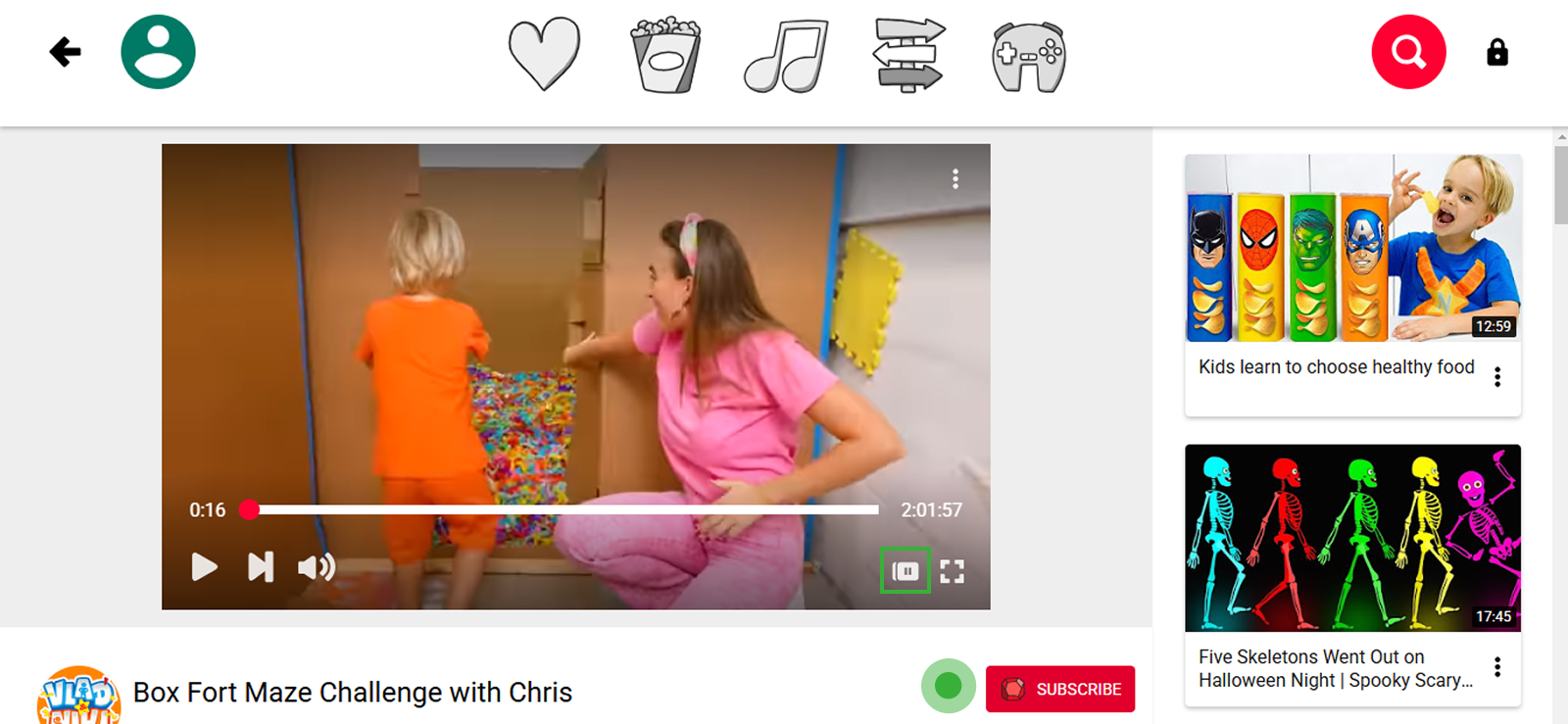
Disabling autoplay settings on YouTube does not equate to blocking content per se but it can help your child avoid accidental exposure to mature and adult videos.
Due to the auto-play feature on YouTube, children can come across highly inappropriate content even if the initially selected video was age-appropriate and suitable for them.
This unwarranted exposure can have adverse effects on children and might even compel them to further look up such videos. Therefore, you can limit their chances of finding explicit content by disabling autoplay.
Here’s how to block sexual content on YouTube of the other person by turning off autoplay:
- Open their YouTube app, click the profile photo, and go to settings
- In the settings, select general, and then further choose “Playback in feeds”
- Click “Off” to disable autoplay settings on the YouTube feed OR Tap “Wi-Fi only” to enable auto-playing while connected to a Wi-Fi network.
How Did the Testing Go?
It did work, but only within a very narrow scope. Disabling autoplay on both test devices reduced the number of unintended videos that played after an initial selection, which is its intended function.
During testing on the Android device in particular, I noticed that autoplay was responsible for surfacing progressively more engaging and borderline content within 4 to 5 videos, starting with a benign selection. Disabling it interrupted that chain.
The problem is how easily it can be reversed. On both devices, the autoplay toggle is accessible to anyone using the app without any passcode requirement. During testing, re-enabling autoplay took a maximum of 2 seconds. A child who notices it has been turned off will turn it back on immediately, and there is no way to lock this setting.
This method is best understood as a friction-reducer rather than a content blocker. It does not prevent a child from seeking out inappropriate content intentionally. It only reduces the chance of stumbling into it accidentally through a recommendation chain. So, if you choose to use it as a standalone measure, I’d say that it falls short.
5. Block Specific Channels
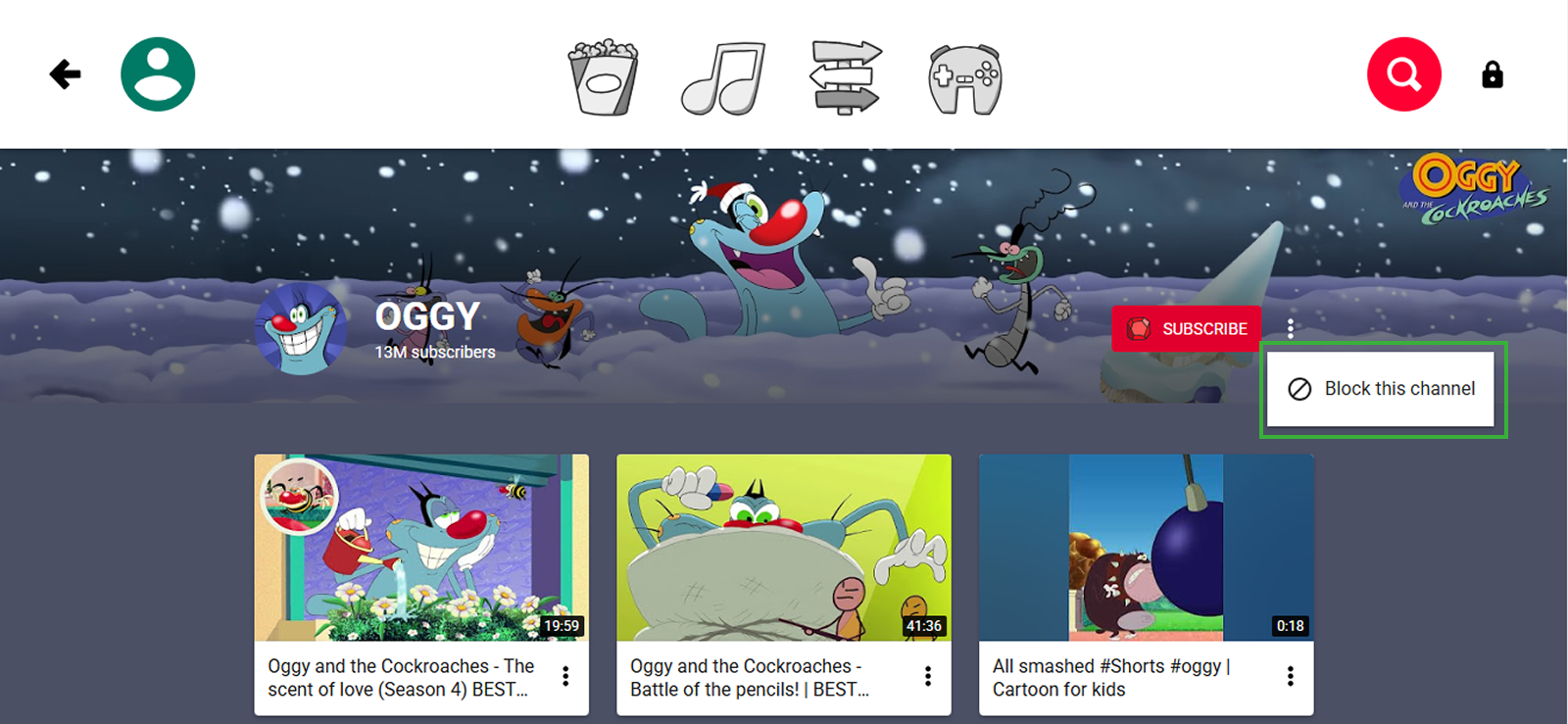
If you are looking for how to block adult content on YouTube remotely, this isn’t a complete solution, but it does give you direct control over what is visible. Instead of relying on filters, you can manually block channels that post mature, explicit, or inappropriate content, preventing them from ever showing up in recommendations or searches.
This method works best when you already know which channels to avoid. However, it does require you to stay on top of what your child is watching and block channels as needed.
Let’s see how you can directly block channels:
- Open YouTube and search for the channel you want to block.
- Go to the channel’s About section.
- Select “Report user” and tap “Block channel for kids”.
- Click “Done” – that channel is now blocked.
How Did the Testing Go?
This method worked partially, and the limitation became obvious within the first day of testing. Blocking a specific channel does exactly what it says: that channel no longer appears in recommendations or search results for the account. On both the iOS and Android devices, the blocks applied cleanly, and the channels disappeared from the feed immediately.
The problem is that content does not live exclusively on one channel. During testing, I blocked 6 channels that were posting mature content and then searched for the same type of content through general search terms. Different channels posting near-identical content appeared in the results immediately. Blocking one channel does not block a content category. It blocks one source of that category while leaving dozens of others fully accessible.
This method works best as a targeted tool for removing specific channels a parent has already identified as problematic, used alongside a broader restriction like Restricted Mode or YouTube Kids. As a standalone approach to blocking adult content, it is reactive by design and cannot keep pace with how much content exists on the platform.
FAQs
Why are YouTube Shorts so inappropriate?
YouTube Shorts have become increasingly inappropriate due to the pressure to attract views. Many creators use clickbait tactics, including explicit thumbnails and visuals, to grab attention. Additionally, YouTube’s easy content-sharing features allow unsuitable Shorts to spread quickly, making it harder to filter inappropriate content, especially for younger audiences.
How to block videos on YouTube app without installing the software?
If you are trying to figure out how to block inappropriate videos on YouTube without installing an app or software, the best options are restricted mode, YouTube Kids, or direct channel blocking. However, these filters aren’t foolproof, and children may still encounter unsuitable content. For better control, consider using a monitoring application or YouTube app blocker like Xnspy to enhance online safety.
How to block sexual content on YouTube if they reinstall the app?
The most common question we get is how to block a video on YouTube if the child reinstalls the app. Fortunately, blocked content stays restricted if they use the same account after reinstallation. However, creating a new account bypasses these settings, allowing access to harmful videos. To ensure ongoing safety, consider YouTube’s restricted mode, YouTube Kids, or a monitoring software like Xnspy for better control.
How to block inappropriate content on YouTube app without needing physical access to the device?
Knowing how to block bad videos on YouTube without accessing the target device is easier said than done. You can use an alternative device where their YouTube account is logged in already to enable restricted mode or to block channels. But this only works if your child isn’t using a different account or switching devices. Plus, YouTube’s filtering isn’t perfect, and some inappropriate content can still get through.
For a more reliable solution, you can use Xnspy, which allows parents to monitor their child’s YouTube search history, watch activity, and remotely block or unblock the app as needed. It goes beyond YouTube by tracking overall device activity and gives you a clearer picture of what your child is doing online. And if necessary, you can take stronger action by restricting access to the entire YouTube app instead of relying on content filters alone.
How to block a video on YouTube if my child turns off restricted mode?
You can block specific YouTube videos by using the YouTube app’s “Not Interested” option, setting up parental controls with Google Family Link, or using third-party parental control apps. You can also set up a custom DNS filter (like OpenDNS) to block specific sites or categories.
But none of them provide the level of control that Xnspy does. It allows you to track their search history, monitor watched videos, and receive keyword alerts for harmful content. You can then block specific videos or even restrict access to the YouTube app entirely.

1 Comments
Leave a reply:
Your email address will not be published. Required fields are marked*
Alexander Avezbakiyev
March 26, 2025 at 6:43 pmYouTube Revanced if know this apk or app ,need assistance