If Someone Blocks You, Can You Still See Their Location?
 By Mike Everett
The complete monitoring experience for your phone
Get XNSPY and start tracking calls, texts, multimedia, locations and more on any phone!
Get Started Now Live DemoKeeping track of your child’s location can provide reassurance when they are traveling, attending school, meeting friends, or spending time away from home.
However, a disagreement may sometimes lead a child to block a parent’s phone number or messaging account. That mostly results in uncertainty about whether previously available location information will disappear as well.
This concern is similar to the broader question many people ask: if someone blocks your number, can you still see their location? The answer often depends on the platform and the location-sharing method involved. I will answer the question in detail in this guide.
Blocked, Not Blinded: The 7-Point Location Brief
- Blocking a phone number usually stops calls and messages, not every location-sharing service.
- Location access may continue through Family Link, Family Sharing, Google Maps, carrier tools, or an authorized monitoring app.
- Most methods only work when sharing, account linking, and permissions were established beforehand.
- Turning off location services, removing the app, revoking access, or disconnecting the account can stop updates.
- Powered-off devices, airplane mode, weak connectivity, and disabled permissions may delay or prevent location reporting.
- Public posts and check-ins can suggest a recent location, but they are not reliable for real-time tracking.
- Parents should use location tools transparently, lawfully, and as part of a broader family-safety agreement.
Can You Still See Someone’s Location if They Blocked You? A Quick Answer
Yes, in some situations, you can still see your child’s location after they block you, since it does not automatically disable every independent location feature operating on their phone
Remember that blocking usually prevents calls, messages, or account interactions through the service where the block was placed.
Therefore, a location service may continue working when it is connected to a separate family account, monitoring dashboard, device-management system, carrier account, or previously established sharing arrangement.
In most cases, location access can stop when the child disables location services, removes the relevant application, changes permissions, blocks the parent within the location-sharing service itself, etc.
Don’t Forget to Check Out These Blogs

⚡ How to Check Someone’s Location on WhatsApp Without Them Knowing
📍  How to See Friend’s Location on Facebook Without Them Knowing
🗺️ How to Find Someone Location on Google Maps Without Them Knowing
🛑 How to Find Someone’s Location on Instagram Without Them Knowing
Why Parents May Need Access to Their Child’s Location
Location information can be particularly useful when a child is traveling without a parent, returning from school, attending an event, or visiting an unfamiliar area. It gives parents a practical way to confirm that the child has reached an expected destination, even when calls or messages are unanswered.
It may also assist during missed check-ins, transport delays, medical concerns, emergencies, or situations in which a child becomes unresponsive.
When set up right, geofencing and arrival alerts can reduce the need for repeated calls by automatically informing parents when the child enters or leaves a familiar place.
How The Methods in This Guide Were Tested
To evaluate the methods covered in this guide, testing was conducted using a mix of Android and iPhone devices, different account configurations, active and inactive location-sharing settings, and common communication-blocking scenarios.
Each method was reviewed to determine whether location access remained available after a parent’s phone number was blocked, how easily the method could be configured, and what type of location information could still be accessed under normal conditions.
Overall, four primary factors were considered during the evaluation.
- Blocking Independence: I measured whether a method continued functioning when a child blocked a parent through calls, messages, or another communication channel.
- Setup Requirements: Most methods require prior installation, account linking, supervision settings, or location-sharing permissions before they can be used. Understanding these requirements helped determine whether a method was practical in real-world family situations.
- Location Capability: I also considered the type of information provided, such as live location, recent location, location history, geofencing alerts, or approximate device positioning. Methods that provide more comprehensive location information generally offered greater value to parents.
- Reliability: To finalize selection, I also looked into how consistently a method provided location updates when device permissions, connectivity, account access, and location settings remained active.
Note that because real-world performance varies according to device model, operating system version, internet connectivity, permissions, account settings, and service configuration, results are described as high, moderate, conditional, or low rather than through fixed percentages.
How to See Your Child’s Location After They Block You: 5 Methods
Blocking a parent’s number does not necessarily affect a service that obtains location data through a different application or account. The following methods work in different ways and therefore have different setup requirements, strengths, and restrictions.
| Method | Works After Blocking? | Setup Required | Location Data Provided | Reliability | Limitations |
| Xnspy | Yes — operates independently of calls/texts | Install and configure on the child’s device beforehand | Current/recent GPS location, location history, geofencing | High | Requires prior installation and configured permissions; needs the monitored device to stay connected |
| Google Family Link / Apple Family Sharing | Yes — tied to family account, not phone number | Family account setup and location sharing must already be enabled | Current location via Family Link or Find My | Moderate | Blocking within Find My (People) itself stops sharing; disabled location settings, disconnected accounts, or powered-off devices delay/prevent updates |
| Google Maps Location Sharing | Yes — tied to Google Account permissions | Location sharing must have been enabled beforehand | Live or recently refreshed location | Moderate | Depends entirely on pre-existing sharing; connectivity or device settings can delay updates; can’t be set up new after a block |
| Public Social Media Posts & Check-Ins | Yes — no account link needed | None | Indirect/approximate location clues (tags, landmarks, captions) | Low | Not real-time; posts often delayed; tags can be broad or inaccurate; private accounts and disabled tags limit visibility |
| Carrier & Family Location Services | Yes — tied to shared carrier/family account | Plan sign-up, app install, device pairing, permissions enabled | Current location, location history, saved places, movement alerts | Moderate | Removing the device from the family account stops reporting immediately; powered-off devices and airplane mode interrupt updates |
1. Use Xnspy
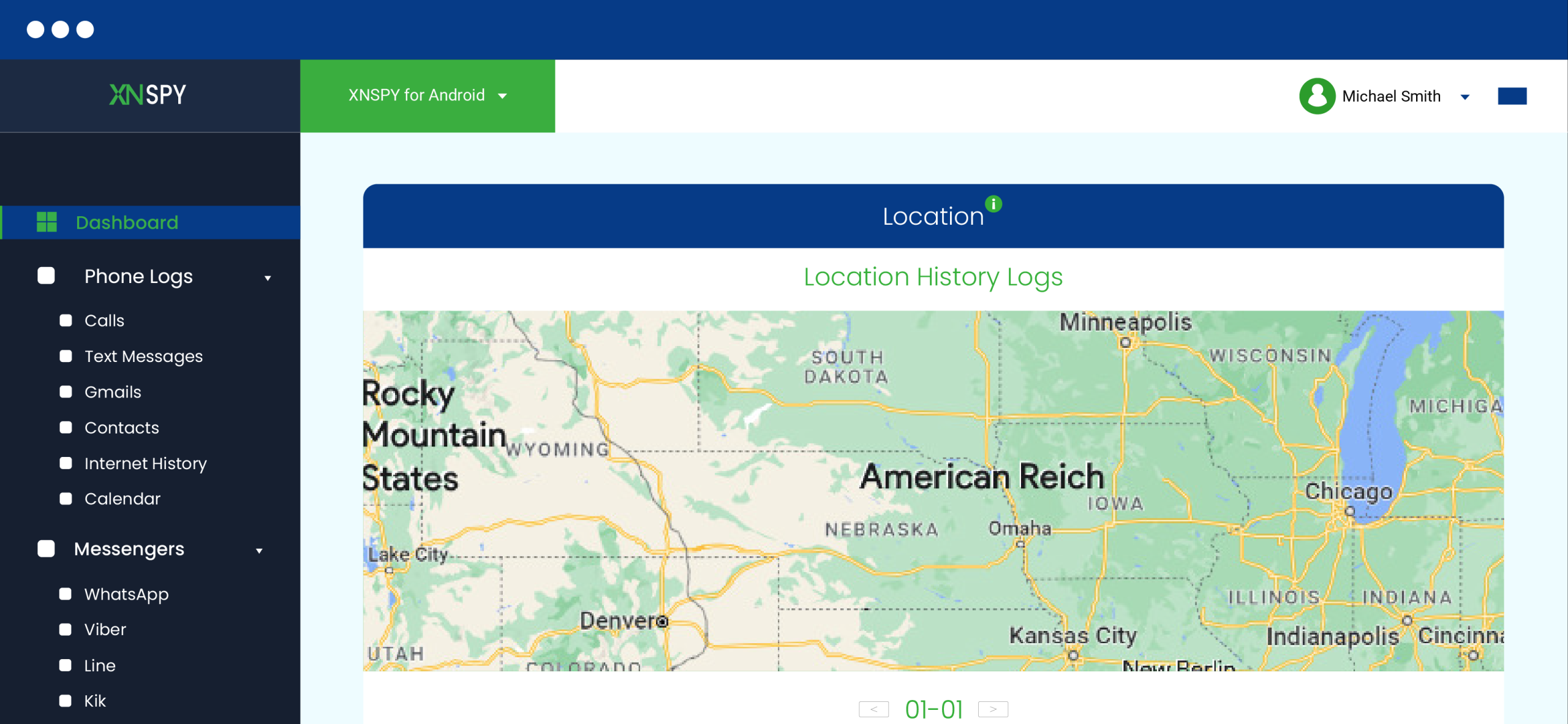
Xnspy works separately from ordinary calls and text messages, so blocking a parent’s phone number does not directly disable its location-monitoring functions.
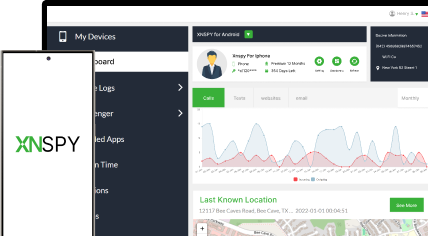
Once Xnspy has been installed and configured on a compatible child’s device, location information is transferred to the parent’s web-based dashboard.
Parents can use its location tracking to view the available current or recent GPS position, review previous location records, and create geofences.
To use Xnspy for location updates, these are the steps you should execute:
- To begin, select a compatible plan and complete the required setup on the child’s phone.
- After the application has been configured, sign in to the Xnspy dashboard and open the location section.
- See the location records received from the monitored device and add designated areas to the watchlist.
Major Findings
During testing, blocking my phone number from the target phone did not affect location visibility within the Xnspy dashboard. As a result, location records continued appearing normally, and I was able to access GPS location data, review location history, and view geofence activity without relying on calls, texts, or a separate location-sharing arrangement.
Not only that, but the features also performed consistently as long as the monitored device remained connected and the required location permissions stayed enabled.
Location updates were typically delivered within minutes, while location history and geofence information remained accessible through the dashboard at all times.
Based on these observations, Xnspy demonstrated a high level of reliability for location monitoring, with successful performance.

Blocked? Their Location is Still Within Reach
Xnspy keeps their location within reach, always.
2. Use Google Family Link or Apple Family Sharing
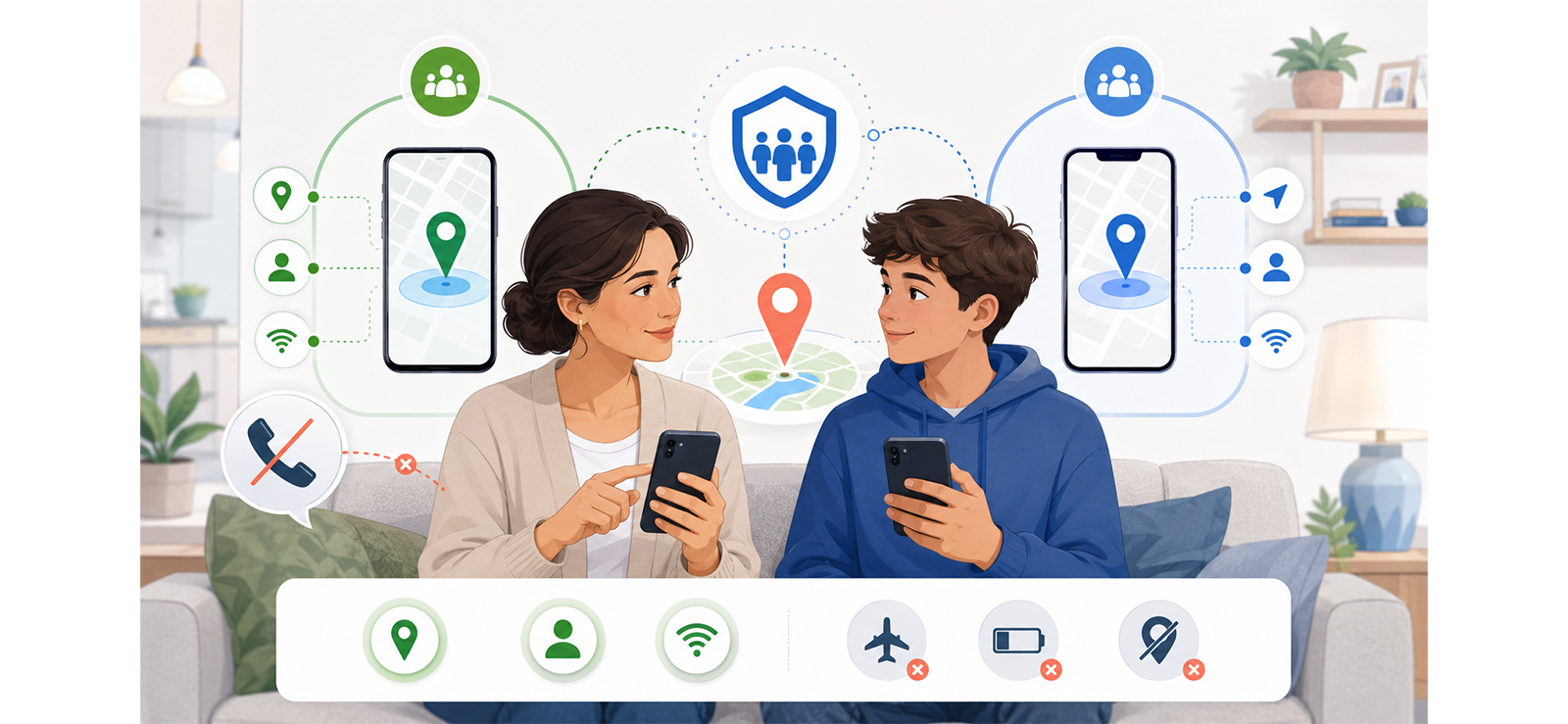
Most users tend to ask, if someone blocks your number, can you still see their location secretly using Family Link or Family Sharing? The answer is yes, because Google Family Link and Apple Family Sharing manage family devices through linked accounts rather than through ordinary phone-number communication.
Consequently, a child blocking a parent’s number does not necessarily remove the family-account relationship or stop every location feature connected to it.
Google Family Link allows a parent to view the location of a supervised child’s supported Android device after device location sharing has been activated.
Likewise, Apple Family Sharing can also make a family member’s devices visible through Find My when the necessary family and location settings are enabled.
Here’s how you can use the two tools for your kid’s location:
- Open the family management app linked to your child’s account.
- Select your child’s profile from the available family members.
- Navigate to the location section and allow the app to load the latest available location data.
- Review the displayed location information and confirm that location sharing remains active on the child’s device.
Major Findings
During testing, both Family Link and Apple Family Sharing continued functioning independently of ordinary phone-number blocking since it did not automatically remove the family-account connection. Not only that, but location information generally remained accessible when the required family settings, permissions, and account associations were already in place.
For both apps, successful location access depended heavily on prior configuration, as devices that were already connected to the appropriate family account and had location services enabled consistently produced the best results.
However, when testing involved disabled location settings, disconnected accounts, airplane mode, or powered-off devices, location updates became delayed or unavailable regardless of whether a communication block existed.
Moreover, testing confirmed that blocking an Apple contact stopped Find My People location sharing between the parent and child.
Overall, both services demonstrated moderate reliability when family relationships, account access, location permissions, and connectivity remained intact.
3. Check Google Maps Location Sharing
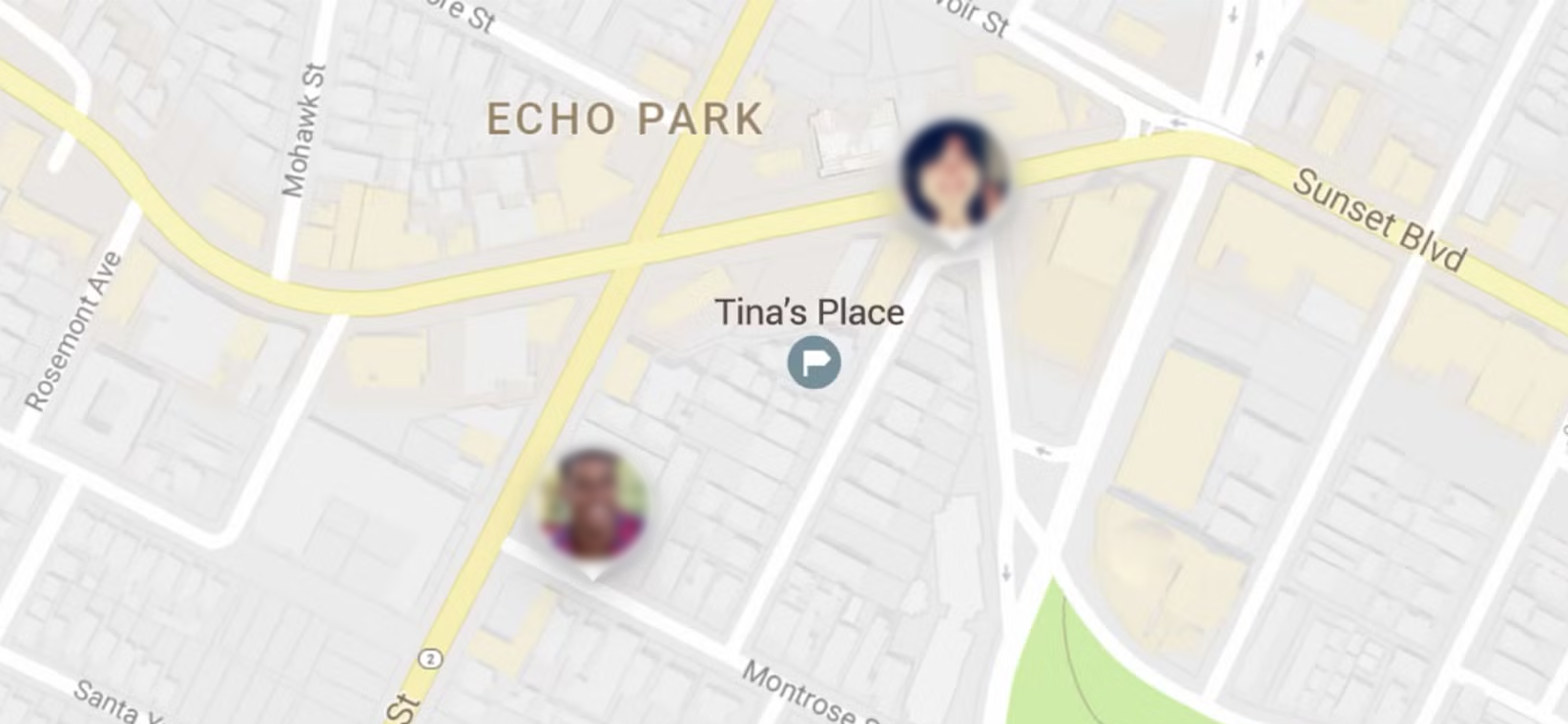
Google Maps Location Sharing lets a user share a real-time position with selected Google Accounts. Because the feature is connected to Google Account permissions rather than the phone’s ordinary call-blocking list, blocking a parent’s telephone number does not automatically end an existing Google Maps location share.
Moreover, Google Maps is widely available on Android and iPhone and does not require both people to use the same type of phone. It can provide live or regularly refreshed location information. It is also relatively simple to review after location sharing has already been established.
Now that you have the answer to the question, “When someone blocks you, can you still see their location through Google Maps location sharing?” Follow the steps below:
- Open Google Maps on your device.
- Tap your profile picture or account icon.
- Select Location Sharing from the menu.
- Choose your child’s profile from the list of shared locations.
- View the most recent location available through the active sharing connection.
Major Findings
As discussed earlier, testing also showed that Google Maps continued displaying a shared location after a phone-number block when location sharing had already been enabled.
The method worked best when the device remained connected to the internet and location services stayed enabled. It was also helpful that no additional software was required for updates.
Nonetheless, during the process, I occasionally encountered delayed updates when connectivity or device settings interfered with reporting.
Not only that, but the method also depended entirely on prior sharing and permissions.
Overall, I found Google Maps useful as a secondary option, but its reliability was only moderate and dropped significantly once sharing was removed.

Did You Know?
Blocked or not, now, you can track someone’s location with their number, too

4. Review Public Social Media Posts and Check-Ins
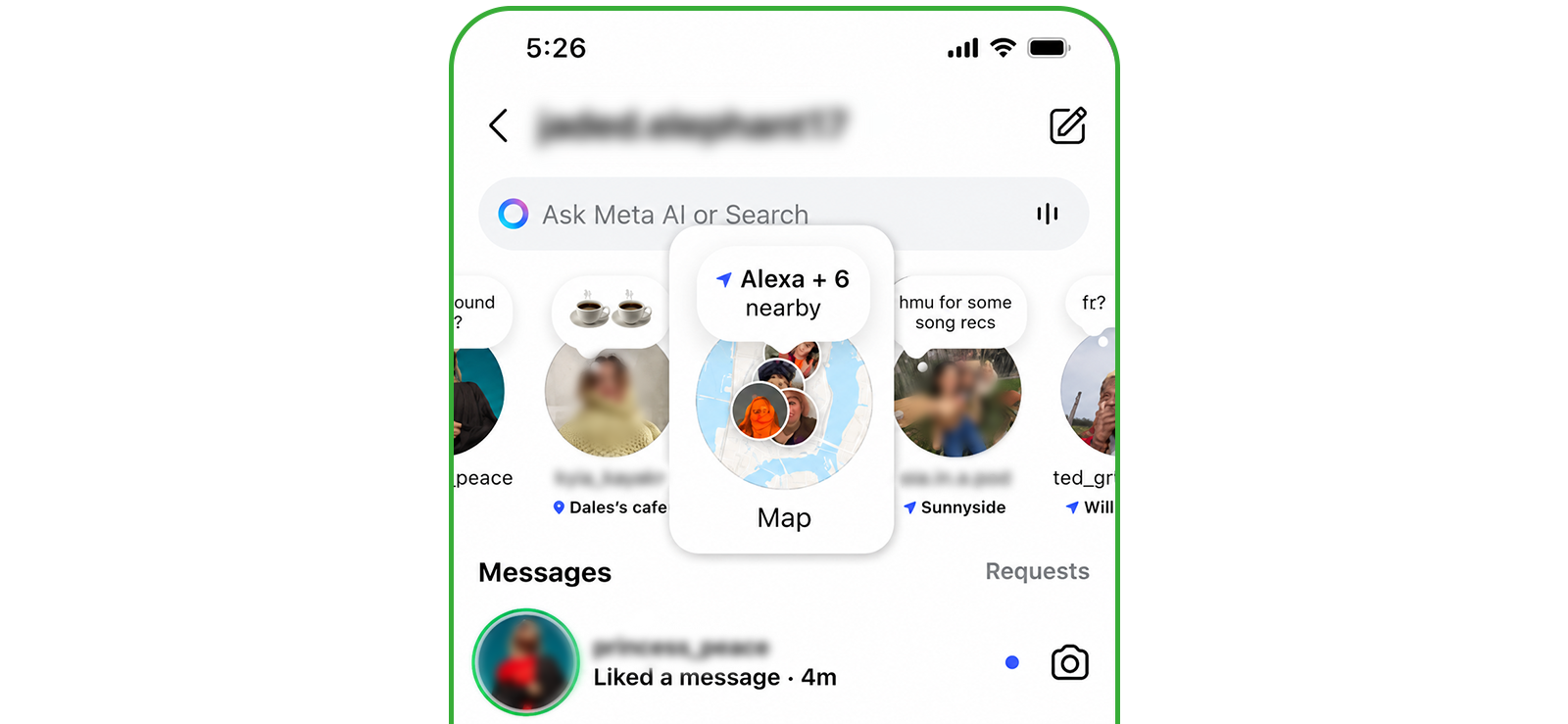
Public social media activity can sometimes provide indirect information about a child’s recent whereabouts.
A post may include a location tag, event name, visible landmark, business name, school activity, or caption referring to a particular place. Stories and check-ins may also indicate that the child recently visited an identifiable area.
Parents can review content that is normally visible to them on the relevant platform and look for location labels.
But how does one go about it? Read the steps below to find out:
- Open the social media platform where your child is active and navigate to their profile.
- Review recent photos, videos, check-ins, and captions for location tags, venue names, event references, school activities, or mentions of specific places.
- Examine the content carefully for recognizable landmarks, street signs, or other visual clues.
- Check public comments, tagged posts, and interactions from friends, as they may provide additional context.
Major Findings
My testing results revealed that the method worked without any existing family-location account.
But again, social media posts alone are not reliable for real-time tracking. Most of the posts include pictures that are uploaded long after they were taken. Not only that, but location tags can also be very broad or inaccurate.
Additionally, even when a recognizable landmark appears in an image, it only suggests where the content may have been created and does not confirm that the child is still there.
Another problem is how private accounts, restricted stories, disabled tags, and periods with no new activity can limit visibility.
5. Use a Carrier and Family Location Service
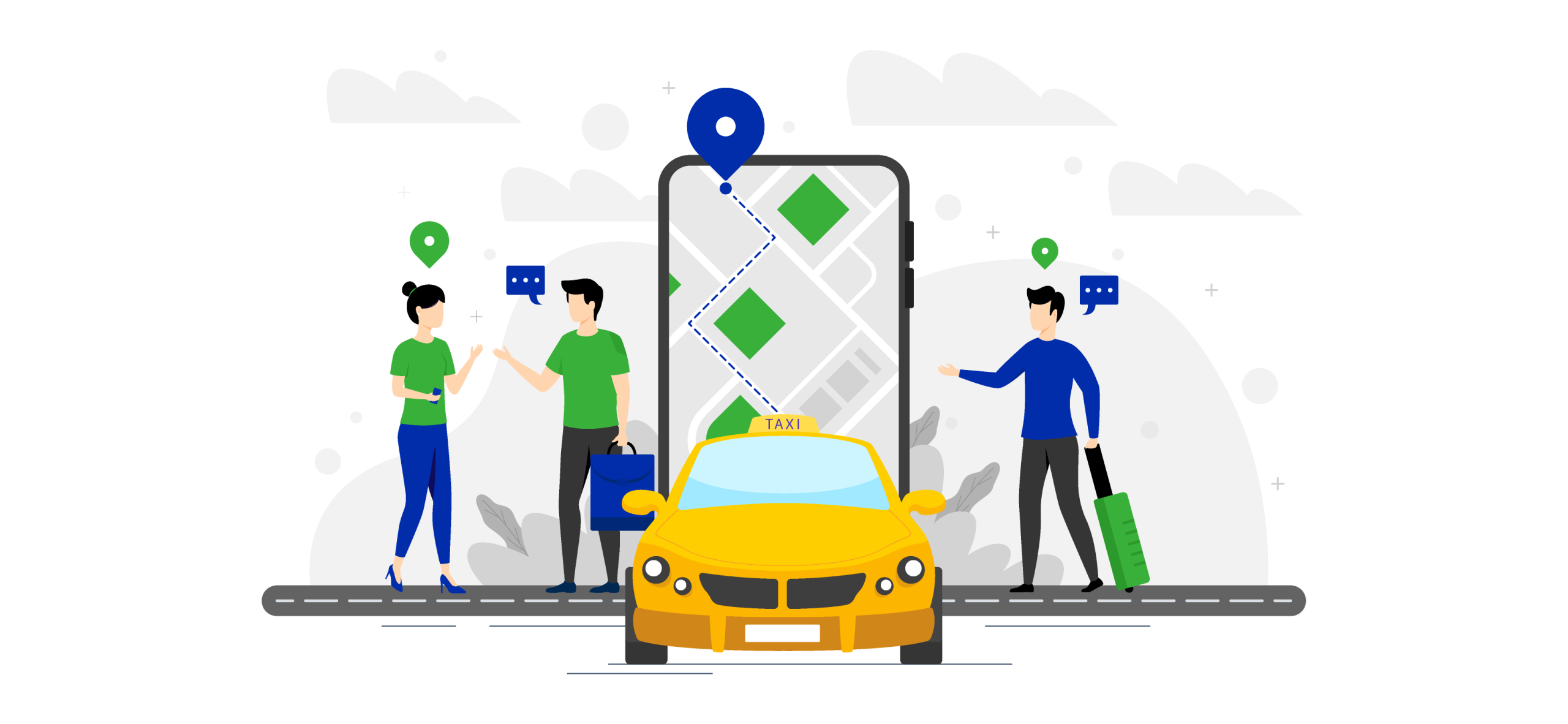
Carrier and family location services allow parents to monitor connected devices through a shared account rather than through ordinary calls or messages. Therefore, a child blocking a parent’s number does not automatically remove location access.
Overall, depending on the provider, parents may be able to view a device’s current location, location history, saved places, and movement alerts through a dedicated application or account dashboard.
To try out a carrier location service, use the steps given below:
- Sign up for a compatible carrier or family-location plan.
- Install the required parent application and create a family account.
- Connect or pair the child’s device according to the provider’s instructions.
- Enable any required location permissions and account settings.
- Open the parent dashboard or application to view available location information and configure alerts.
Major Findings
During testing, the results varied depending on the service being used.
I found that services that combined GPS tracking with carrier-network support produced the strongest results, with device positions appearing close to the actual test locations.
Other family-location services delivered usable results but showed greater variation in update frequency, location precision, and feature availability.
Some also displayed location history less consistently, while others relied more heavily on network-based positioning when GPS data was limited.
Despite these differences, several common issues affected all tested services. For example, removing the device from the family account immediately stopped location reporting, regardless of the provider.
Switching the device off also prevented new updates from appearing, while airplane mode interrupted location refreshes until connectivity was restored.
Based on the observed results, carrier and family-location services provided a moderate level of reliability compared with dedicated monitoring solutions.
FAQs
If someone blocked you on iMessage, can you still see their location?
Blocking on iMessage does not always disable every form of location sharing. You can still view a child’s device through Apple Family Sharing if the family connection, Find My settings, location permissions, and account access remain active. Any existing carrier-based or family-location service may also continue working independently of the iMessage block.
If someone blocks me, can I still see their location when they enter or leave a set area?
Yes, you may still receive entry and exit alerts if geofencing was already configured through a separate family-location, carrier, or monitoring service. However, the alerts can stop if the person disables location services, removes the application, revokes permissions, disconnects the device, or removes it from the linked account.
Can I still see someone’s location if they blocked me on Android?
Yes, blocking your number on an Android phone does not necessarily end an existing location-sharing arrangement. You may still see the location through Google Family Link, Google Maps Location Sharing, a carrier service, or an authorized monitoring application if the relevant account connection and permissions were established beforehand.
If someone blocked you, can you still see their location without installing software?
Sometimes. No new software may be required if the person previously shared their location through Google Maps, Apple Family Sharing, Google Family Link, or an existing carrier-based family-location service. However, you cannot use these options to establish new location access after being blocked.
If someone blocks you, can they still see your location?
If you are wondering, “Does location stop sharing when blocked?”, the answer is yes. The other person may still be able to see your location if you previously shared it through a service that operates independently of calls and messages. That is because blocking someone does not universally revoke Google Maps sharing, family-account access, carrier-location services, or other previously authorized arrangements. To stop location visibility completely, review each location-sharing application and linked account separately, remove the person’s access, and confirm that the relevant sharing permissions have been disabled.
5 Comments
Leave a reply:
Your email address will not be published. Required fields are marked*
Hughettox
August 13, 2025 at 2:37 pmShe had shared her live location with me on whatsapp but then she blocked me. Is there any way I can see that?
Mathisky
August 21, 2025 at 2:37 pmThe social media check ins are useless I have tried that alreadu
Mia
August 28, 2025 at 2:26 pmDoes Xnspy show real time location or just location history?
Bryan Addams
August 29, 2025 at 11:02 amIs google family link not only for less than 13 year olds?
Jack James
September 2, 2025 at 2:48 pmThanks, I find this quite helpful